


Mendoza City: What to See and Do in One Day
Mendoza City: What to See and Do in One Day
Mendoza City is often the starting point for exploring the province, but it deserves a spot on any itinerary. With tree-lined streets, a series of interconnected squares, sprawling green spaces, a great food scene and a relaxed pace, it’s ideal for exploring on foot and taking your time.
Many visitors come only for the wineries or the mountains, but spending at least a day in the provincial capital gives you a feel for the history, culture and way of life that make Mendoza one of Argentina’s most popular destinations.
Here’s what to see, what to do and how to plan your route so you can make the most of your visit.
What to See in Mendoza City
Most of the main sights are fairly close together. With a full day, you can explore downtown on foot, then head to Parque General San Martín by public transit, bike, taxi or a ride-hailing app like Uber or Cabify.
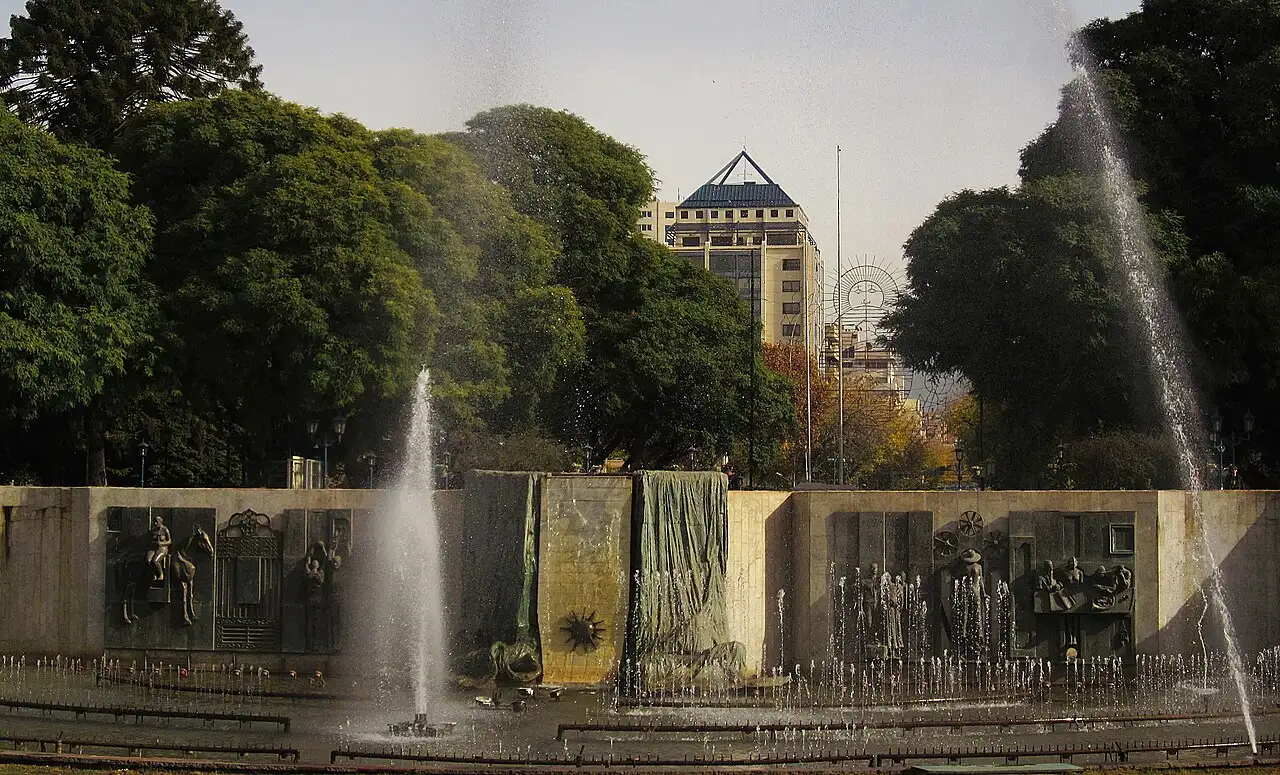
Here’s the route we recommend for a first visit.
| Where to go | What you’ll find |
|---|---|
| The five squares | The heart of the city, with Plaza Independencia at its center |
| Peatonal Sarmiento | Cafés, shops and a lively atmosphere at all hours |
| Área Fundacional | The San Francisco ruins and the city’s origins |
| Museo Casa de San Martín | The story of the Liberator in Mendoza |
| La Enoteca | The wine interpretation center |
| Arístides Villanueva | The dining and nightlife hub |
| Parque General San Martín | Mendoza’s great green lung |
The Five Squares at the Heart of Mendoza City
One of Mendoza City’s distinctive features is that downtown is laid out around five main squares. They’re all within a few blocks of each other, so you can easily visit them on foot.
The main one is Plaza Independencia, a popular gathering place for locals and visitors alike. It regularly hosts craft fairs, cultural events and outdoor performances. The Museo Municipal de Arte Moderno sits beneath the square, and the historic Teatro Independencia faces it.
From there, four smaller squares form a rough cross around downtown. Here are all five:
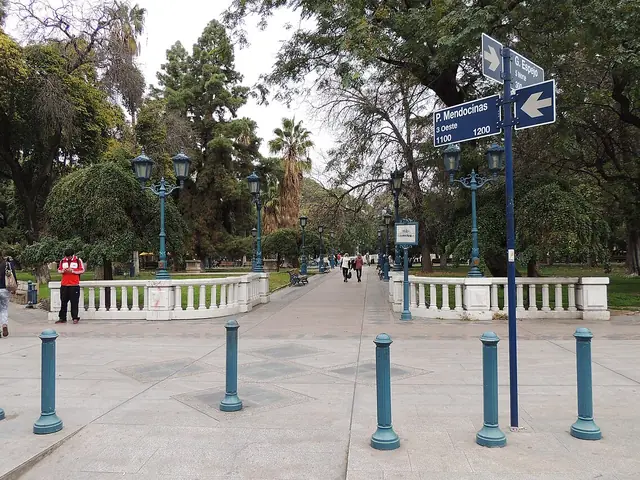
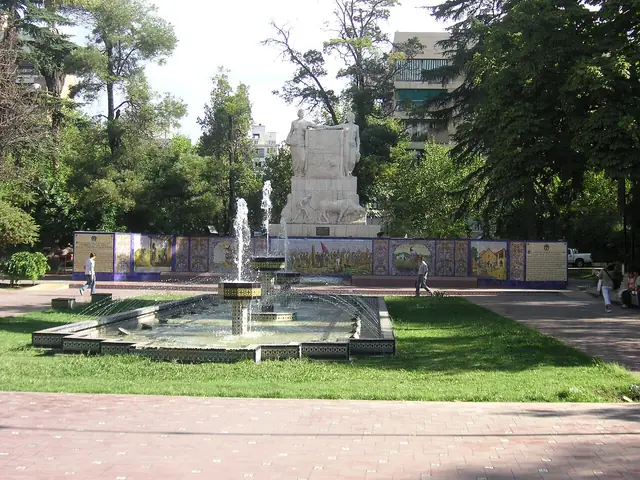
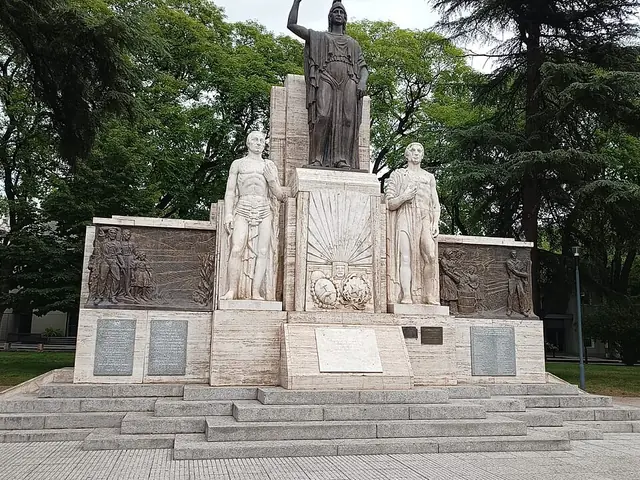
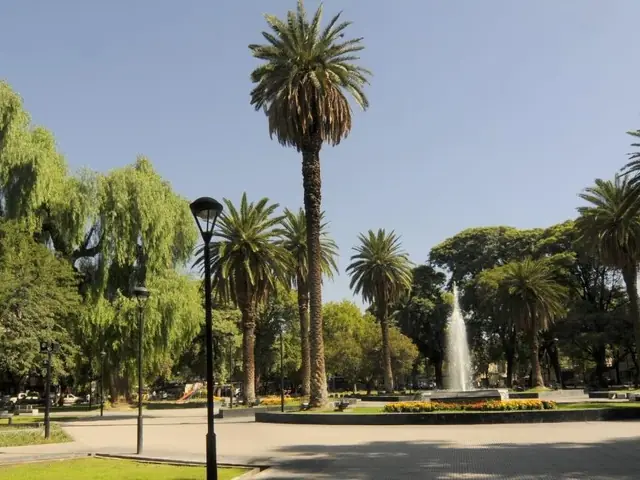
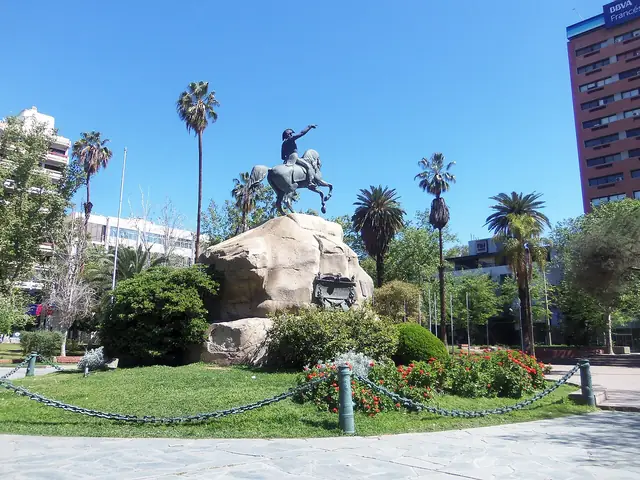
Walking between the five squares takes you through the heart of the city in the shade of Mendoza’s huge trees.
Peatonal Sarmiento
Just steps from Plaza Independencia is Peatonal Sarmiento, a classic pedestrian street and one of the city’s busiest. Cafés, restaurants, ice cream shops, stores and street performers keep it lively all day, making it a great place to take a break, have lunch or simply sit and watch downtown life go by.
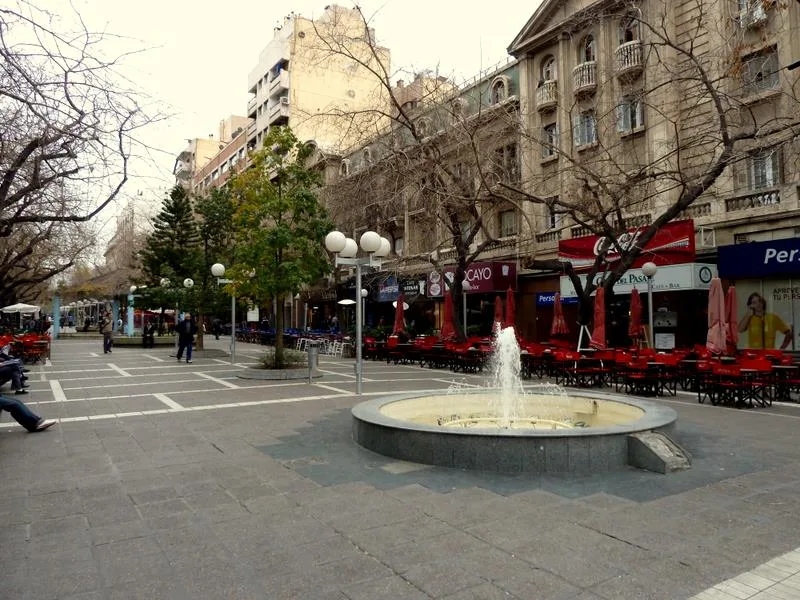
It’s one of those places to stroll without hurrying and soak up Mendoza’s laid-back atmosphere.
The Área Fundacional and the Origins of Mendoza
If you enjoy history, the Área Fundacional is well worth a visit. Its archaeological remains and spaces mark where the original city stood before the 1861 earthquake, an event that changed Mendoza’s urban development forever.
Across from Plaza Pedro del Castillo, the Museo del Área Fundacional stands on the site of the former Cabildo and explains how the city changed over time. A few steps away are the Ruinas de San Francisco, the remains of a church the earthquake left half standing.
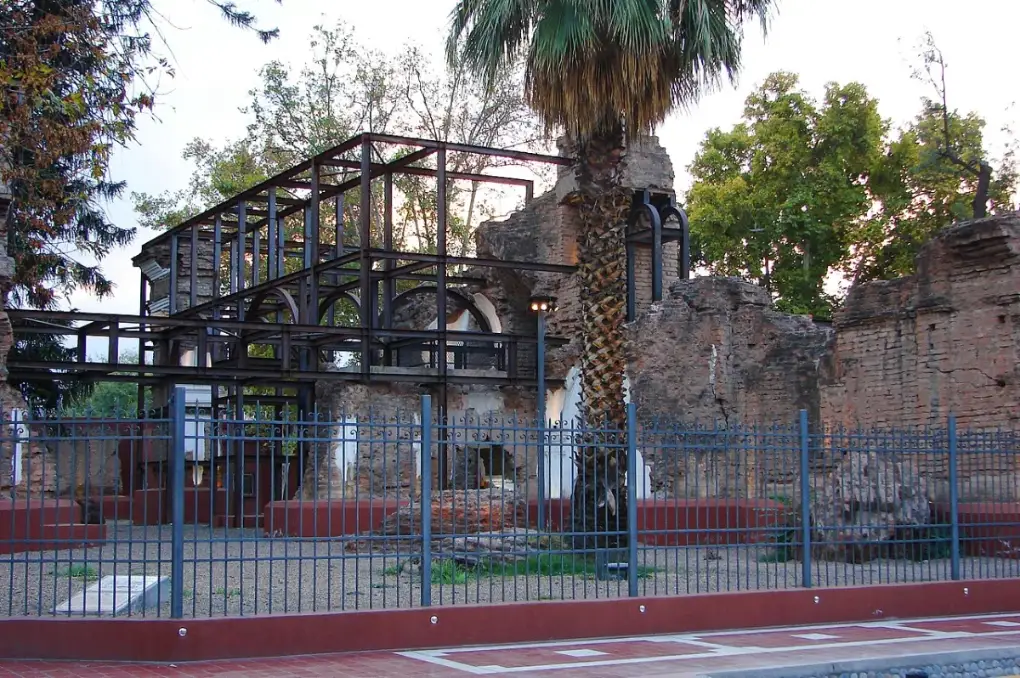
It’s a good way to understand why today’s Mendoza has such wide streets, large squares and so much open space: the city was rebuilt with earthquakes in mind.
Museo Casa de San Martín
At Corrientes 343, a few blocks from the Área Fundacional, you’ll find the Museo Casa de San Martín. It stands on the plot where General José de San Martín lived from 1814 to 1817, while he was governor of Cuyo and preparing the Army of the Andes. He lived there with his wife, Remedios de Escalada, and their daughter Mercedes was born there in 1816.

The original house collapsed in the 1861 earthquake, but its ruins have been preserved and you can see them during your visit. The museum opened in 2019 and admission is free. It’s a short, highly recommended visit to understand why Mendoza was key to the Crossing of the Andes.
Acequias and Trees, a Hallmark of Mendoza
One of the biggest surprises for first-time visitors is the sheer number of trees shading nearly every street. In an arid province with little rainfall, that’s only possible thanks to the historic system of acequias.
Acequias are small irrigation channels that run along the sidewalks and carry water from the mountain rivers. Used for centuries and refined over time, the system turned a desert region into a true urban oasis.
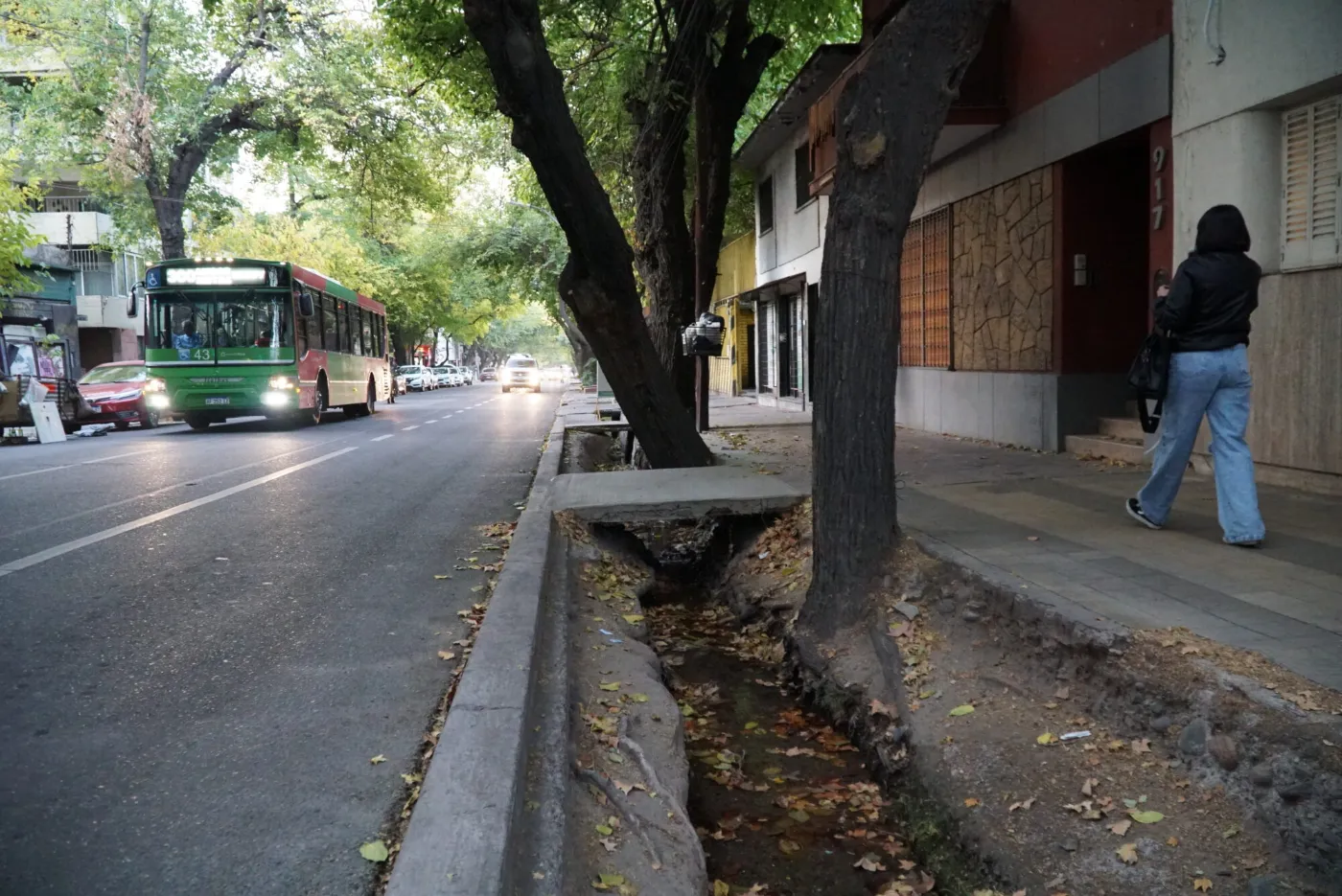
Besides giving Mendoza’s landscape its identity, the acequias keep alive the trees that define both the city and much of the province.
Tip: watch your step when crossing the street. Acequias are part of the streetscape, and first-time visitors often don’t see them and trip while crossing.
La Enoteca
On Avenida Peltier, next to the Centro Cívico, you’ll find La Enoteca. Completed in 1902, it’s the only surviving building of the former Escuela Nacional de Vitivinicultura (1897-1939), which trained the first winemakers and agronomists in Argentina and much of Latin America.
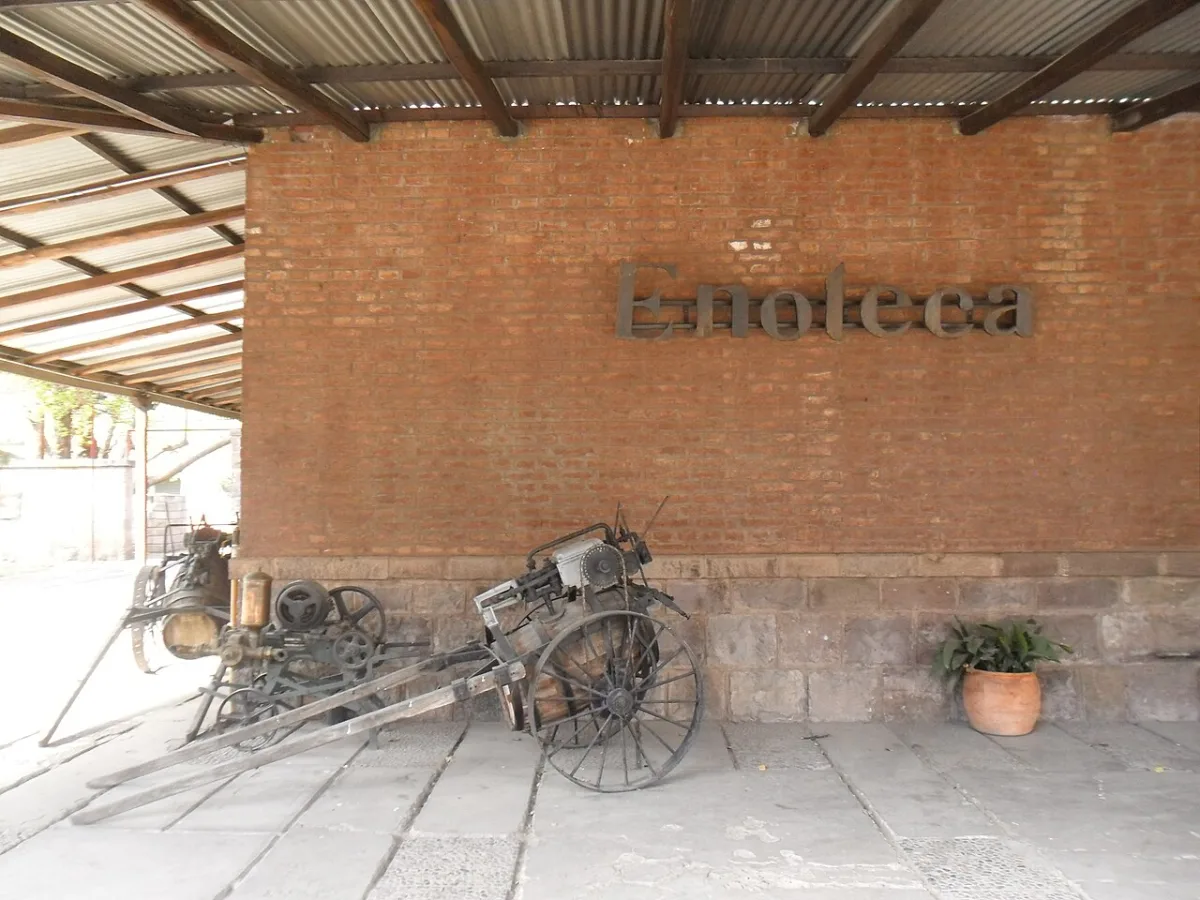
Since 2002, it has been home to the Centro Temático del Vino, run by the Fondo Vitivinícola Mendoza. It offers guided visits, some with tastings, and Plaza del Vino is right across the street. If you’re heading to Maipú or Luján de Cuyo afterward, it’s a great introduction to the history of Mendoza wine.
Arístides Villanueva, Mendoza City’s Dining Hub
As evening falls, many locals head to Arístides Villanueva, one of the city’s most popular streets for food and entertainment.
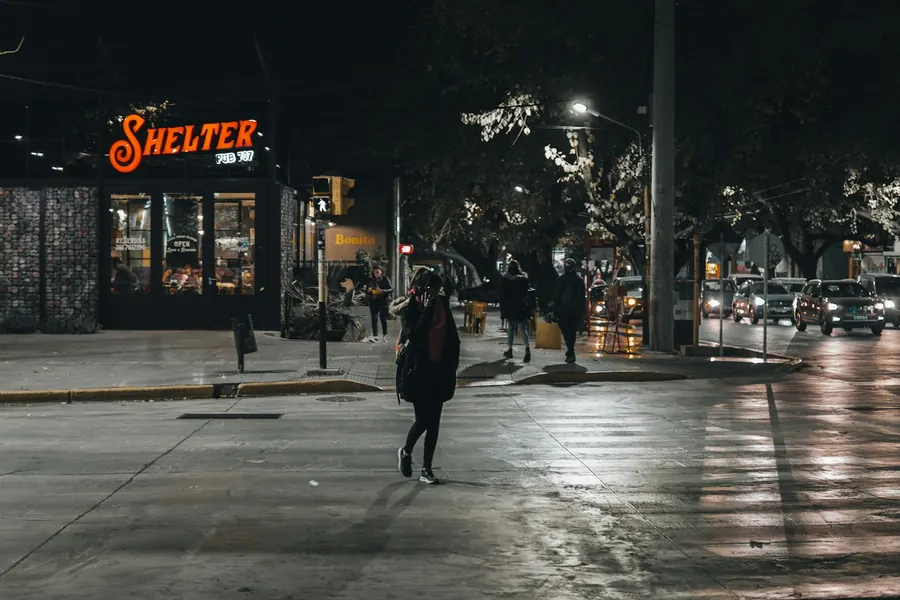
In just a few blocks, you’ll find restaurants, bars, craft breweries, cafés and ice cream shops for every taste. It’s a great place for lunch, dinner or simply a glass of Mendoza wine at an outdoor table.
The atmosphere changes with the time of day: in the afternoon it’s ideal for a quiet coffee, while at night it becomes one of the main meeting points for locals and visitors.
Parque General San Martín
Just a few minutes from downtown is Parque General San Martín, considered one of Argentina’s most important urban parks and practically a must on any trip to Mendoza.
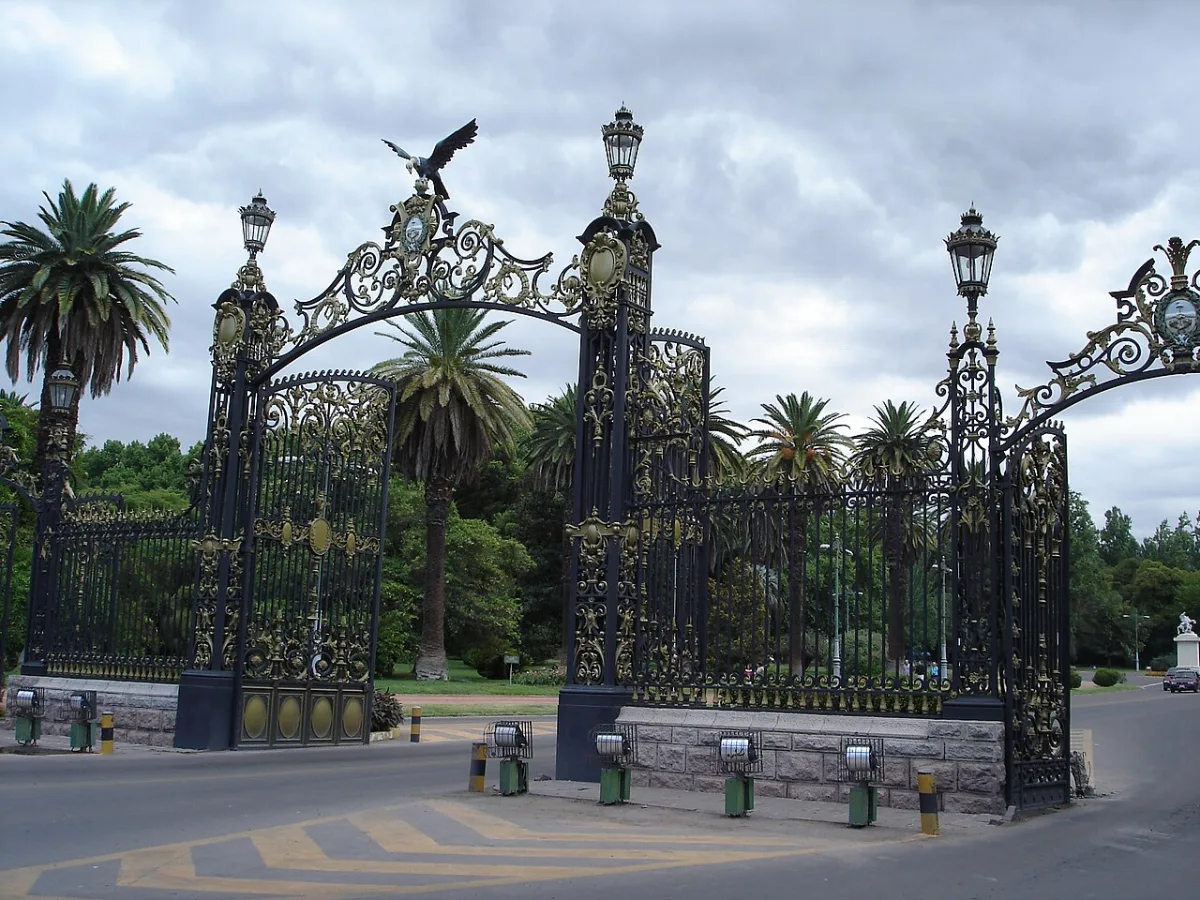
Designed by renowned landscape architect Carlos Thays, this huge green space features wide tree-lined avenues, gardens, historic monuments, lakes and some of the city’s best-known landmarks.
Highlights include the historic Portones del Parque, the Caballitos de Marly, the Lago, the Rosedal, the Museo de Ciencias Naturales Cornelio Moyano, the Fuente de los Continentes and Cerro de la Gloria, which offers one of the best panoramic views of Mendoza and the Andes.
Because there’s so much to see, give it plenty of time. For its history, the best routes and all its sights, read our full guide to Parque General San Martín.
Seeing the City on the Mendoza City Bus
If you’re short on time or would rather not walk as much, the Mendoza City Bus covers the main sights in a couple of hours: downtown, the Área Fundacional, Parque General San Martín and Cerro de la Gloria, with several stops along the way. Check current schedules and fares before you go.
Another option is the guided city walks run by the Municipalidad de Mendoza, on topics such as heritage or the history of its neighborhoods. The program is published on its website each month.
Even so, if you like walking, you can easily see most of downtown on foot and save transport for the sights farther away.
Food in Mendoza City
Mendoza City’s food scene has grown considerably in recent years. Besides traditional parrillas and restaurants specializing in regional cooking, you’ll now find chef-driven restaurants, international cuisine, specialty coffee shops, vermouth bars, wine bars and a strong craft beer scene.
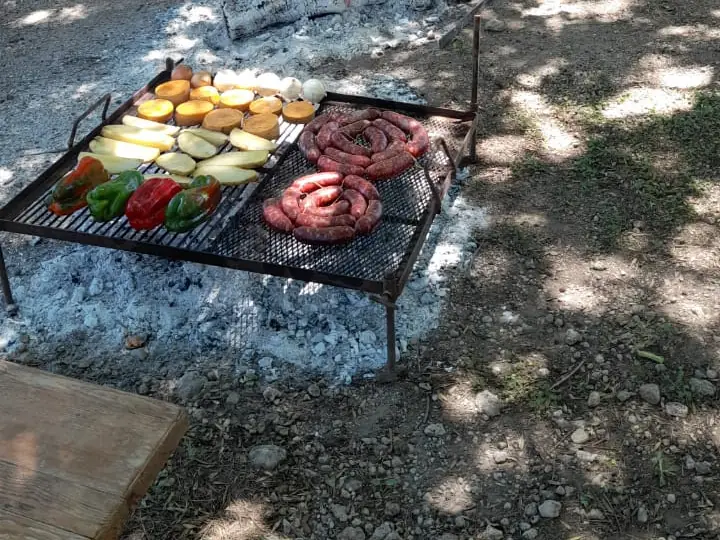
Downtown has plenty of options for breakfast, lunch or dinner, while Arístides Villanueva has one of the city’s biggest concentrations of bars and restaurants. If you’re after a quieter atmosphere, Chacras de Coria, about 20 minutes from downtown, is also worth a visit.
How to Get Around Mendoza City
Downtown Mendoza is compact and very easy to explore on foot. Most of the main sights are just a few blocks apart, so you don’t need transport to see the city center.

To reach Parque General San Martín, Arístides Villanueva or neighborhoods farther out, you can use city buses, the Metrotranvía (depending on where you’re going), taxis or apps like Uber and Cabify, which work normally in the city.
Another great option is the bike. Mendoza has an extensive network of bike lanes connecting different parts of the city, making it easy to get around, especially in spring and fall.
When to Visit Mendoza City
The city can be visited year-round, and each season offers a different experience.
If you travel in early March, you’ll also be there for the Fiesta Nacional de la Vendimia, Mendoza’s most important cultural event.
A Recommended One-Day Itinerary for Mendoza
If you only have one day to see the city, this route takes you to the main sights without rushing.
With this route, you’ll see many of the provincial capital’s most iconic places in a single day.
After the City, a Day Among the Vineyards
Once you’ve seen Mendoza City and want to keep exploring the province, one of the best options is to spend a day on the Maipú Wine Route, about 15 km from downtown (15 to 20 minutes by car or taxi).
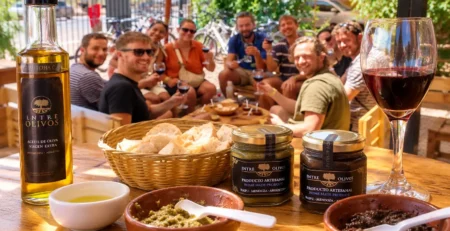
There you’ll find century-old wineries, wine tastings, food experiences and places to taste olive oil, in an area where you ride on stretches of bike lane and on streets with real traffic.
At Maipu Bikes, bike rental in Maipú since 2009, we’ve already welcomed more than 81,000 travelers. We give you a bike, helmet, map and directions so you can plan your day at your own pace. Here’s how to get to Maipu Bikes from Mendoza City.
Frequently Asked Questions
How much time do you need to see Mendoza City?
With a full day, you can see the main downtown sights and visit Parque General San Martín. If you want to enjoy the museums at a slower pace or make the most of the food and nightlife, two days is ideal.
Can you explore Mendoza on foot?
Yes. Downtown is compact, safe and very walkable. Most of the squares and historic sights are within a few blocks of each other.
When is the best time to visit Mendoza?
Spring and fall usually have the most pleasant temperatures. March is especially appealing because of the Fiesta Nacional de la Vendimia and the harvest.
Is Parque General San Martín worth visiting?
Definitely. It’s one of Argentina’s most important urban green spaces and home to some of the city’s top sights, such as Cerro de la Gloria, the Lago and the Rosedal.
What can you do after seeing the city?
Many travelers head to the Maipú Wine Route, the wine region closest to the capital, where you can visit wineries, taste wines and discover Mendoza’s winemaking tradition.
Can you visit the aquarium and Jorge the turtle?
No. The former Acuario Municipal has closed to the public and is being turned into a Center for Biodiversity Conservation. Jorge, the sea turtle that lived there for almost 40 years, was moved to Mar del Plata and later released back into the sea.
After the City, a Day on the Maipú Wine Route
Two self-guided ways to explore the Maipú Wine Route, about 15 km from Mendoza City.
Self-Guided Wine Bike Tour
Self-guided bike rental
Bike, helmet, map and mechanical assistance. You choose your stops within the Maipu Bikes circuit and, if any of them need a booking, we’ll send you the link. Tastings and meals are paid separately. When you get back, the Free Malbec Wine Happy Hour is waiting for you.
Maipu Wine Bike Experience
Itinerary with coordinated bookings
You follow a timed itinerary and we coordinate the bookings: Trapiche, Entre Olivos, Viña El Cerno and a multi-course lunch at Mevi. Bike, helmet and assistance included. To finish, the Free Malbec Wine Happy Hour.







Deja una respuesta