


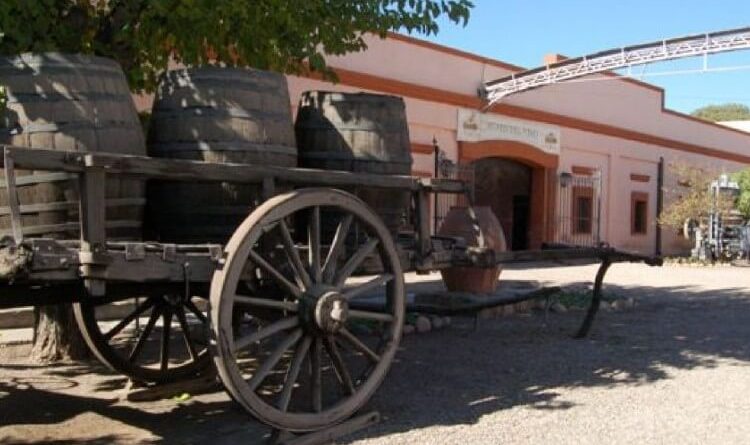
Bodega La Rural – Wine Museum: History and Heritage in Maipú
La Rural Wine Museum is one of the most rewarding cultural stops on the Maipú Wine Route. At a winery founded by Felipe Rutini in 1885, you can explore a heritage gallery and discover the tools, vessels and techniques behind Mendoza’s winemaking history. The Historic Winery experience also includes a tasting, making it an appealing stop on a bike ride through Coquimbito.
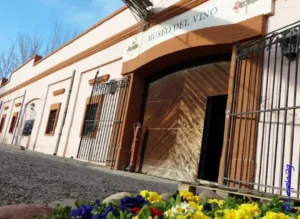
The historic entrance sets the scene for a visit that brings together winemaking heritage, architecture and Mendoza wines.
A winemaking legacy that began in 1885
La Rural was founded in 1885 in Coquimbito. Its founder, Felipe Rutini, was an Italian immigrant from Ascoli Piceno who brought agricultural knowledge and family connections to winemaking. The winery’s story became part of the wider development of Argentina’s wine industry.
After his death in 1919, his wife and children continued the project. Later, in 1924, the family began planting vineyards in the Uco Valley, an important step in expanding its work into other Mendoza terroirs.
During the 1990s, the historic facilities were modernized with new technology. Even so, the site preserved reminders of the skills and work involved in turning grapes into wine over many generations.
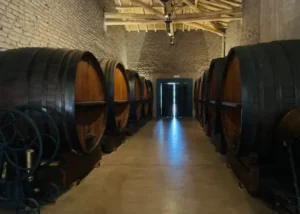
Old barrels and structures offer a glimpse of everyday work in wineries of earlier generations.
La Rural Wine Museum: a journey through winemaking history
Today, La Rural Wine Museum is part of the current visitor experience at the Historic Winery. Its heritage gallery brings together objects from different periods, including some associated with winemaking practices dating back to the 16th century. The visit offers insight into how the craft evolved, beyond the wine labels themselves.
At La Rural Wine Museum, you can see evidence of different eras: presses, cooperage tools, vessels, old machinery, instruments and carriages. Each object tells a story about tasks now performed with very different equipment, from handling grapes to transporting and storing wine.
The variety of objects also reveals work often missing from familiar accounts of wine history, from making barrels and vessels to arranging transport and distribution.
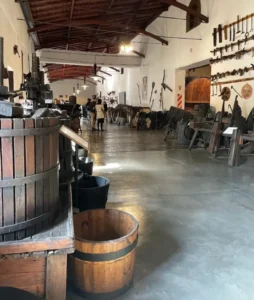
The machinery helps you compare traditional winemaking methods with the technology used today.
Objects that bring wine history to life
If you enjoy history, look closely at how the vessels, presses and workers’ tools were made. The objects used to transport supplies and finished products are equally worth exploring.
The appeal goes beyond the age of the pieces themselves. Together, they show how production scale, materials and technical knowledge changed. As a result, even visitors who are not wine experts can find the gallery fascinating.
Choose two or three objects that catch your eye and consider how their original purpose compares with today’s methods. This small exercise often makes a self-guided visit more engaging.
Inside the historic winery’s visitor experience
For a visit to La Rural Wine Museum, the official visitor information describes a self-guided walk through the heritage gallery. Rather than relying on a guide’s continuous commentary, visitors can observe the objects and explore the exhibition at their own pace.
The advertised experience also includes a tasting from the Bodega Histórica Malbec range. Other labels may be available, but the number of wines, additional formats and prices depend on the option you choose and availability when booking.
It is therefore important to distinguish a heritage gallery visit from a technical tour of wine production. The official description covers the historic collection and a tasting; it does not promise a tour of production facilities with every option.
Confirm the available time slot, duration, price, number of tasting pours and language of the visit. Do not assume every tasting includes the same selection or activities.
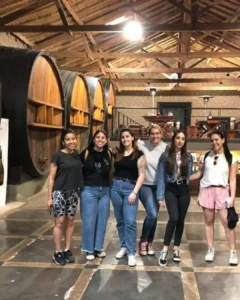
The gallery attracts people interested in wine culture and the heritage of this historic Mendoza winery.
La Rural Wine Museum: which experience suits you?
La Rural can play different roles in your itinerary. The table below helps you set expectations and decide what to ask before booking. It is not a list of guaranteed packages.
| Your interest | What is offered or worth asking about | What to confirm |
|---|---|---|
| History and heritage | A self-guided walk through the winery’s historic gallery. | Time slot, accessibility and duration. |
| Mendoza wines | A tasting from the advertised Bodega Histórica Malbec range. | Labels, number of pours, price and language. |
| Cycling the Wine Route | A cultural stop that fits a self-guided itinerary around Coquimbito. | Reservation, departure time and return to Maipu Bikes. |
| Learning about production | Ask whether an additional option includes access to production areas. | Do not assume this is part of the heritage gallery visit. |
Cycling to the museum from Maipu Bikes
La Rural Wine Museum is about 1.6 km from Maipu Bikes, approximately 6 minutes by bicycle on our suggested route. Your journey may take longer depending on traffic, crossings and your group’s pace. Bike lanes in the area also run alongside roads used by motor vehicles.
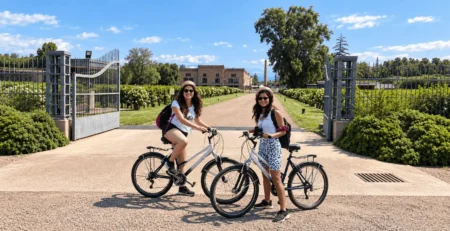
With our Self-Guided Tour, we provide a mountain bike, helmet, map, route advice and mechanical assistance along the circuit. You decide which wineries to visit and make your tasting reservations directly with each establishment.
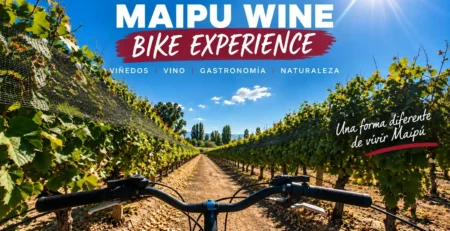
The Maipu Wine Bike Experience is a separate product with a defined itinerary and included services. La Rural is not an included stop on that experience. To visit it, choose a self-guided ride and arrange your winery reservation separately.

A cultural stop fits naturally into a day of cycling, provided you book in advance and allow enough time for the return journey.
When to plan your heritage stop
To visit La Rural Wine Museum alongside other wineries, book the time-sensitive experiences first. Then place the museum before or after nearby stops to avoid unnecessary backtracking. As a general guide, 60 to 90 minutes is Maipu Bikes’ planning estimate, not an official visit duration.
The gallery is especially appealing if you want to alternate tastings with a cultural activity. It can also help you understand where tools and winemaking terms encountered at other wineries originated.
For safety, wear your helmet while cycling, follow road signs and do not ride if alcohol has affected your reactions or judgment. Leave enough time to return to Maipu Bikes during our opening hours.
Address, opening hours and bookings at Bodega La Rural
The winery publishes information about its Historic Winery on its official website. The hours shown are general visitor-service hours; available tasting slots must be confirmed separately.
| Information | Practical details |
|---|---|
| Name | Bodega La Rural — Historic Winery and heritage gallery |
| Address | Montecaseros 2625, Coquimbito, Maipú, Mendoza |
| Monday to Friday | 9:00 am–5:00 pm, according to the official website |
| Saturday | 9:00 am–1:00 pm, according to the official website |
| Sundays and public holidays | Contact the winery directly; the official page reviewed does not specify visitor slots |
| Reservations | Advance coordination recommended; places and formats depend on availability |
| Price | Ask for the current price of your selected experience |
| Visitor enquiries | bodegahistorica@rutiniwines.com |
| Distance from Maipu Bikes | Approximately 1.6 km; about 6 minutes by bike as a guide |
| Planning time suggested by Maipu Bikes | 60–90 minutes to organize your day; not an official tour duration |
For current tour formats, schedules and prices, check the official tourism information and contact the winery’s visitor team by email. That way, you can build your route around a confirmed booking.
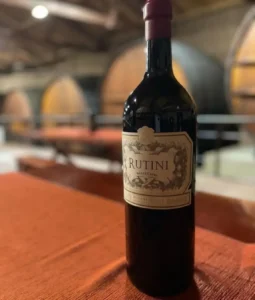
The tasting connects the historic visit with the wines that are part of the winery today.
Frequently asked questions about La Rural Wine Museum
Where exactly is La Rural Wine Museum?
La Rural Wine Museum is inside Bodega La Rural at Montecaseros 2625, Coquimbito, Maipú, Mendoza. This is the historic winery, not another facility belonging to the wine group.
Is the visit guided or self-guided?
The winery’s tourism page describes a self-guided walk through its heritage gallery. Other experiences may have different arrangements, so check the available options before booking.
What can visitors see in the collection?
The collection includes tools, vessels, barrels, machinery and objects related to making and transporting wine. The gallery shows how winemaking techniques changed over time.
Does the experience include a wine tasting?
The official Historic Winery offer mentions a tasting from its Malbec range. However, you should confirm the number of wines and the specific details of your chosen option when booking.
Reservations and cycling route
Should I book before visiting?
Booking ahead is strongly recommended. General opening hours do not guarantee space at a tasting. Confirm the time slot, price and conditions with the winery before setting out.
Can I get there by bike from Maipu Bikes?
Yes. The estimated distance is 1.6 km, and the ride may take about 6 minutes under normal conditions. Wear a helmet and watch for vehicles: the area is not traffic-free.
How much time should I allow for La Rural?
Maipu Bikes suggests 60 to 90 minutes as a planning allowance. This is not an official duration; the actual time depends on the format you book and the pace of your visit.
Is La Rural included in Maipu Wine Bike Experience?
No. La Rural is not part of that experience’s defined itinerary. To visit it, choose the Self-Guided Tour and book the winery separately.
History, wine and scenery at your own pace
With Maipu Bikes, you can plan your own day along the Wine Route. We provide the bike, helmet, map and mechanical assistance, while you choose the stops and book directly with each establishment. When you return, you can enjoy our Free Malbec Wine Happy Hour.





Deja una respuesta