


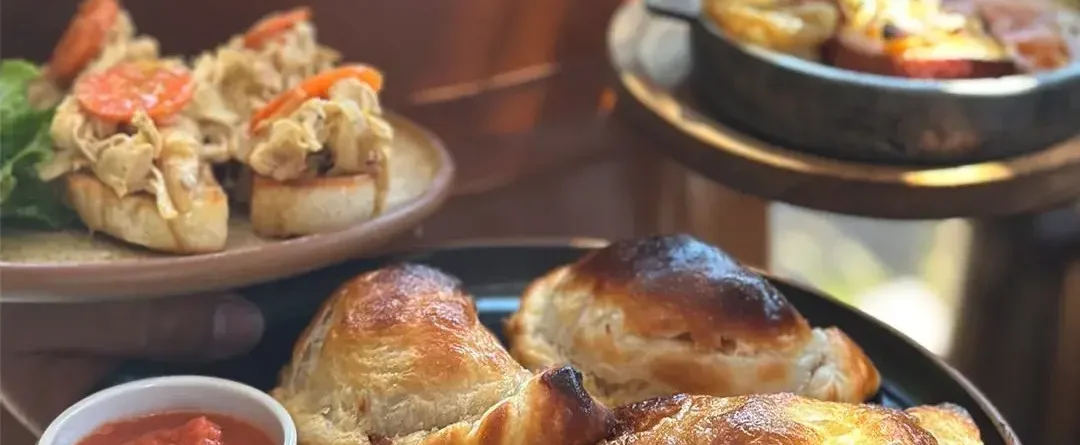
Typical Food in Mendoza: What to Try Besides Wine
Typical Food in Mendoza: What to Try Besides Wine
When people think of Mendoza, wine usually comes to mind first. And rightly so: the province is known worldwide for its vineyards and for producing some of the best Malbecs in the world. Still, Mendoza’s food scene goes far beyond a glass of wine. Local cooking blends traditional recipes, regional produce and the influence of Cuyo culture to create flavors that are part of the province’s identity. In this guide we tell you about the typical food in Mendoza and where to try it.
From an asado with a glass of Malbec to a plate of chivito or homemade humita, Mendoza’s cuisine invites you to discover the history and customs of a region where the land, the climate and family traditions play a key role.
If you’re planning your trip and want to know what to eat in Mendoza, this guide covers the typical food in Mendoza you shouldn’t miss during your visit, along with tips to enjoy it while you explore the famous Wine Route.
What makes Mendoza’s cuisine special?
Mendoza’s cuisine was born from a mix of Creole cooking, the traditions of Indigenous peoples and the contribution of immigrants, especially from Italy and Spain. Add to that a key element: the outstanding quality of the ingredients produced in the province.
Thanks to its dry climate, plenty of sunny days and water from the melting snow of the Andes, Mendoza produces excellent food. Besides wine, it’s known for olive oil, garlic, onions, tomatoes, peaches, plums, walnuts, almonds and a wide variety of fruit and vegetables found in many traditional recipes.
Local cooking is simple, generous and made with fresh ingredients. Many recipes were born in rural areas and still keep that homemade spirit that visitors love so much.
That’s why exploring Mendoza also means sitting down at the table and discovering a culture where wine and food always go hand in hand.
Asado: much more than a meal
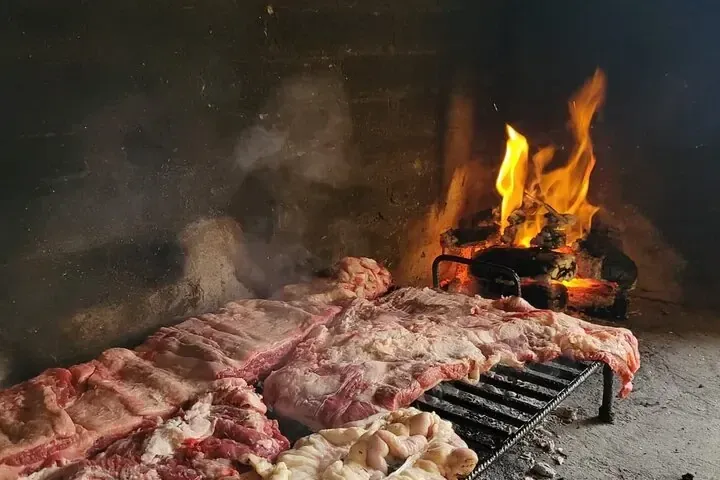
If one dish represents Argentina, it’s asado. In Mendoza it holds a very special place and is part of family gatherings, celebrations and get-togethers with friends all year round.
More than a recipe, asado is a ritual. It starts hours earlier, when the fire is lit and the embers slowly cook different cuts of beef. You’ll also find offal, chorizo, blood sausage and grilled vegetables to complete the experience.
Many country restaurants and wineries offer multi-course lunches with asado as the main dish, naturally paired with wines made on the same estate.
If it’s your first time in Mendoza, enjoying an asado with a glass of Malbec is one of those experiences you won’t forget.
Chivito: the great classic of Cuyo cuisine
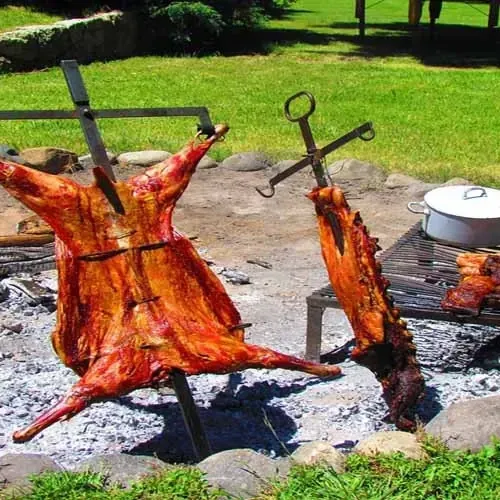
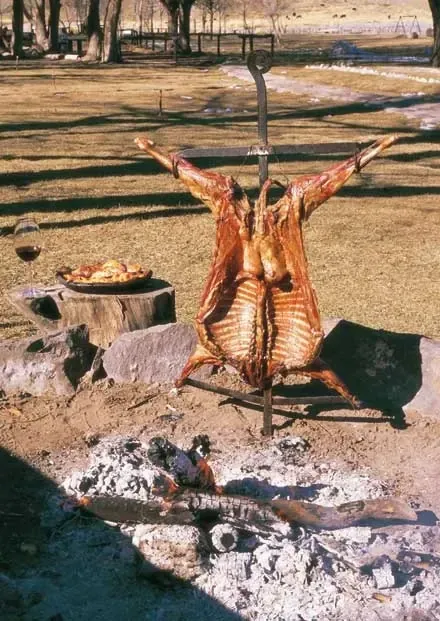
Among the typical food in Mendoza, few dishes represent regional identity like chivito. It’s young goat raised in the dry lands of southern Mendoza and other parts of Cuyo, where the animals’ natural diet gives the meat a very distinctive flavor.
It’s traditionally cooked on the grill, although it can also be roasted in a clay oven or over embers for several hours. The result is tender, juicy meat with a mild flavor, considered by many to be one of the best dishes in Mendoza’s cuisine.
It’s often served with roast potatoes, fresh salads or grilled vegetables, always alongside a good local red wine.
You can find it all year round, but many rural restaurants and wineries serve it especially on weekends and special occasions.
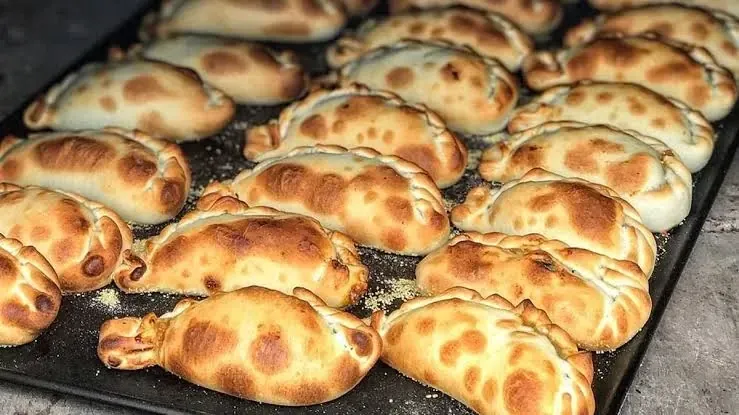
Mendoza-style empanadas, a must among the typical food in Mendoza
Empanadas are among the most popular dishes in Argentina, but every province has its own version. Mendoza-style empanadas have features that set them apart and are part of the local food heritage.
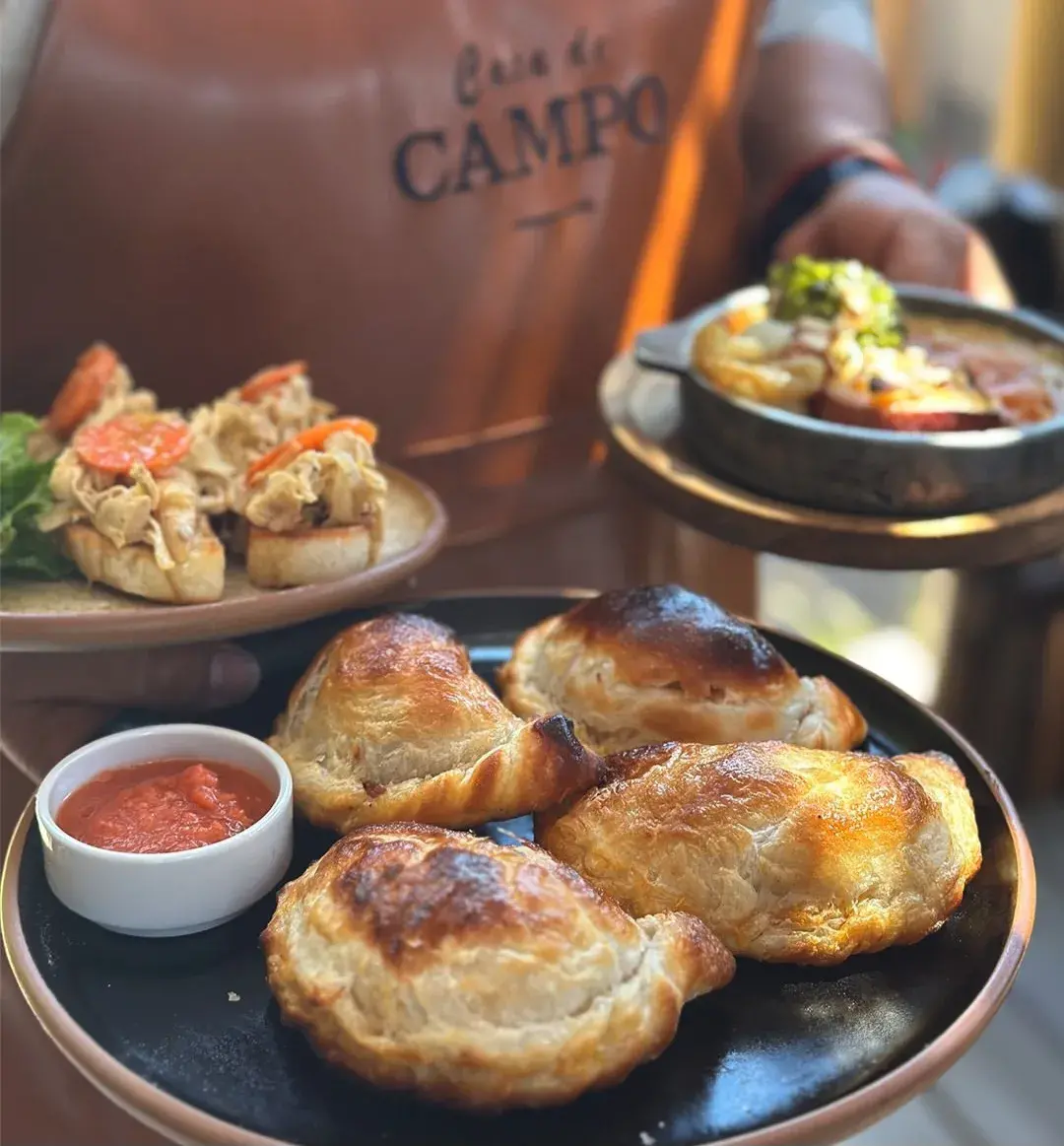
They’re usually made with hand-cut beef, onion, egg, olives and spices like cumin and paprika. They can be baked or fried, although baked ones are the most common in restaurants and wineries.
One detail that catches people’s attention is the traditional repulgo, the folded edge that seals the empanada and, according to family custom, shows what filling is inside.
They’re a great option for a light lunch, a snack platter or a starter before a wine tasting.
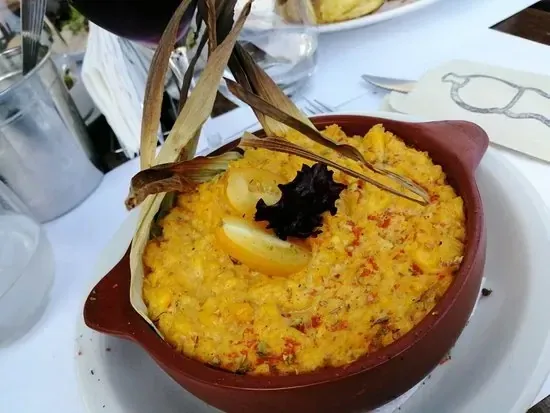
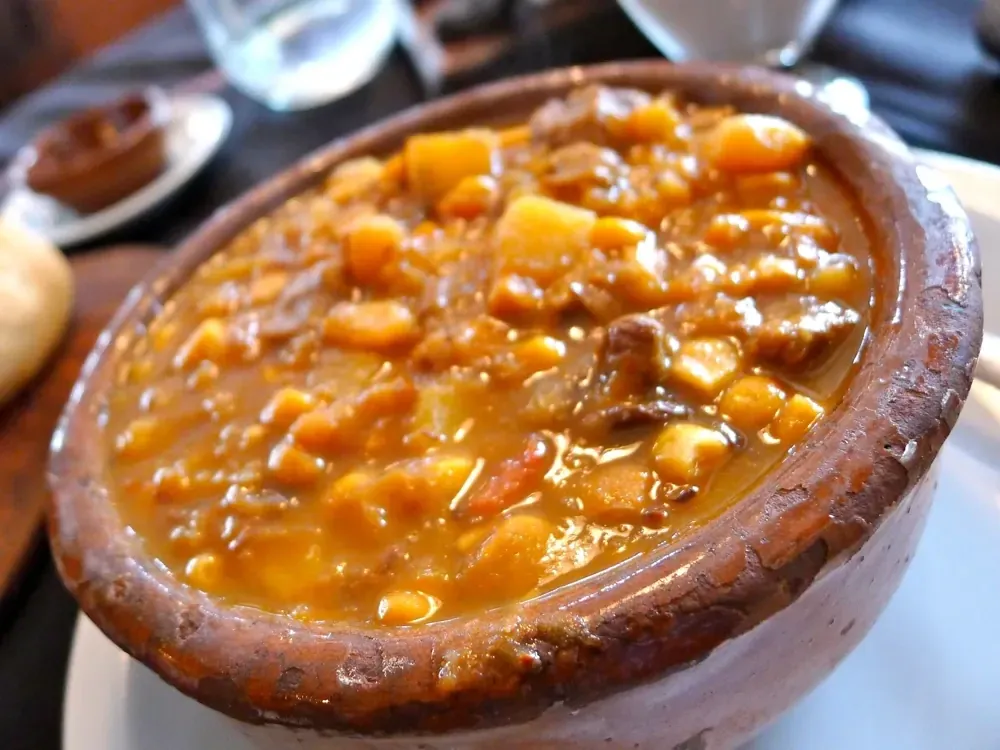
Humita and locro: typical food in Mendoza with Andean roots
The influence of the Andes also shows in Mendoza’s cuisine. Dishes like humita and locro are part of a culinary tradition that has been kept alive for generations.
Humita is mainly made with fresh grated corn, onion, milk and spices. It’s traditionally cooked wrapped in corn husks, known as chalas, which give it a very special aroma.
Locro, on the other hand, is one of Argentina’s most traditional stews. It combines corn, squash, beans, meat and sausages in a slow-cooked dish that’s perfect for the colder months. Although it’s usually linked to national holidays, many restaurants in Mendoza serve it during winter.
Both dishes reflect the Andean heritage and the importance of corn as one of the key ingredients of regional cooking.
Tomaticán: one of the lesser-known typical dishes of Mendoza
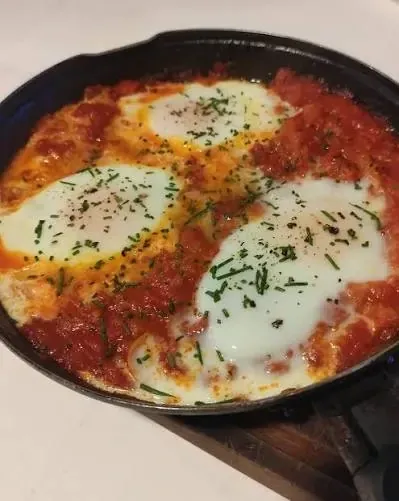
If there’s one recipe many locals see as part of their food identity, it’s tomaticán. Visitors know it less than asado or empanadas, but it’s one of the most traditional dishes of Cuyo cuisine.
Its main ingredient is fresh tomato, with onion, egg and, depending on the family recipe, meat, chili or different seasonal vegetables. It’s a simple dish that was born to make the most of the province’s excellent vegetable harvest in summer.
Tomaticán shows how Mendoza’s cuisine knows how to highlight simple, high-quality produce and turn it into flavorful recipes.
Carbonada: the balance between sweet and savory
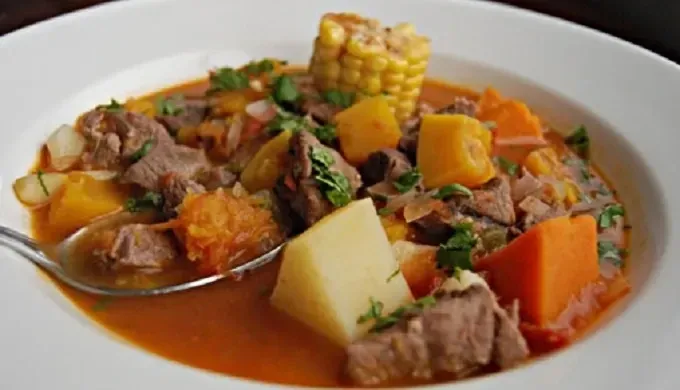
Carbonada is another traditional dish that often appears on the menus of regional restaurants. It’s a stew made with beef, potatoes, squash, carrots, corn and other vegetables, and many recipes add fruit like peaches, dried apricots or raisins.
That mix of sweet and savory ingredients may surprise first-timers, but it’s exactly what makes this dish unique.
In the colder months, carbonada is a great way to enjoy traditional Mendoza cooking.
Olive oil: Mendoza’s other great pride
When people think of Mendoza, wine usually steals the spotlight. However, the province is also one of Argentina’s main olive oil producers and has a long olive-growing tradition.
Thanks to the dry climate, the big temperature swings and excellent soils, Mendoza’s olive groves produce extra virgin olive oils known for their aromatic intensity and balanced flavors.
Many farms and producers let you learn about the process through guided visits and tastings, where you can learn to recognize the different sensory profiles of olive oil, much like a wine tasting.
Besides olive oil, you’ll often find olives, olive spreads, homemade preserves and other regional products that make perfect souvenirs.
If you’re interested in olive oil, you can also read our article about Entre Olivos, a place for olive oil and regional flavors in Maipú.

Tortitas mendocinas: the bread that goes with every day
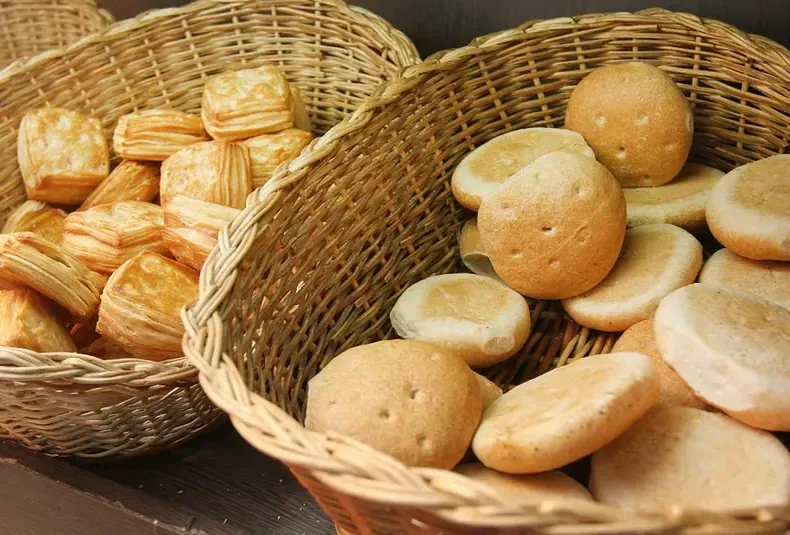
Tortitas are part of everyday life in Mendoza. People eat them all day long, usually with breakfast, an afternoon snack or simply a shared mate. Even the Michelin Guide recommends ordering them for a Mendoza breakfast.
There are several versions, but the best known are tortitas raspadas, with their crunchy top, and tortitas de hoja, made with a laminated dough that’s a bit like puff pastry.
You’ll find a wide variety freshly baked at any bakery in Mendoza. They’re cheap, very traditional and a great way to get to know local customs.
Sweets, dried fruit and regional preserves
Sweets are also part of the typical food in Mendoza.
Mendoza’s cuisine also stands out for a huge variety of sweet products made with fruit grown in the province’s farming oases.
Quince paste, peach jam, tomato jam, grape or fig syrup (arrope), walnuts, almonds, pistachios and dried fruit are part of a tradition that goes back generations.
Many family producers also make homemade preserves, pickles and jams using recipes passed down from one generation to the next.
You can find these products in regional food shops, markets, fairs and some wineries, and they’re one of the most popular food souvenirs for visitors to Mendoza.
| Dish | What it is |
|---|---|
| Asado | Grilled meat, the heart of any gathering |
| Chivito | Young goat raised in the dry lands of southern Mendoza |
| Mendoza-style empanadas | Hand-cut beef, onion, egg and olives, almost always baked |
| Humita | Grated corn with onion and milk, cooked in corn husks |
| Locro | Traditional stew with Andean roots |
| Tomaticán | Tomato sauce with egg and onion |
| Carbonada | Stew of beef, potatoes, squash, carrots and corn |
| Tortitas mendocinas | The bread that goes with mate and breakfast |
| Olive oil | The province’s other great product |
Where to try typical food in Mendoza
One of the best ways to discover Mendoza’s cuisine is to combine it with wine tourism. Many wineries offer food experiences with lunches, tasting menus or more casual options, always paired with wines made on site.
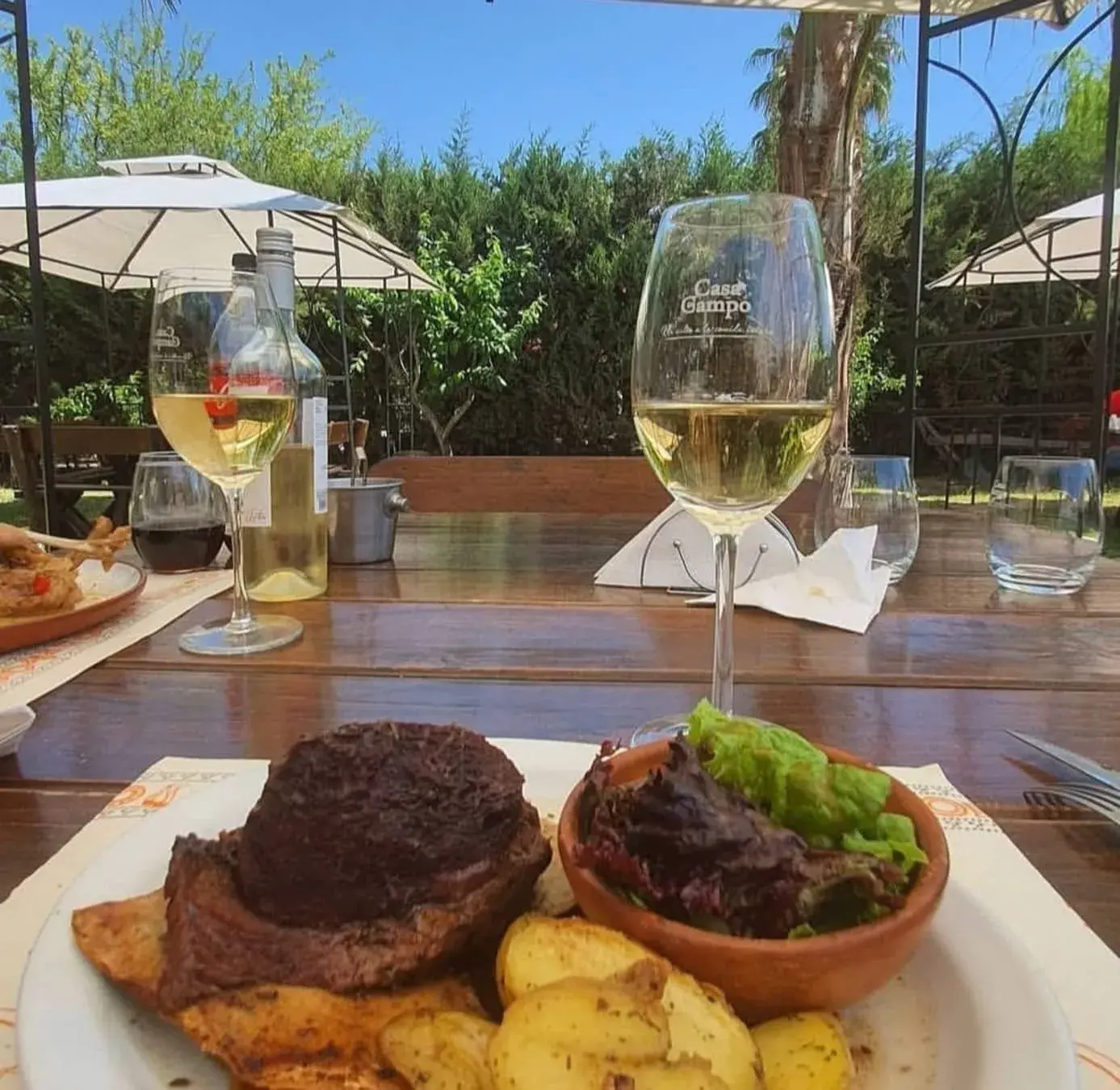
There are also country restaurants, small family-run grills and rural spots where you can enjoy traditional recipes made with local ingredients and seasonal produce.
If you explore the Maipú Wine Route, besides tasting excellent wines you’ll find places to have lunch, enjoy a regional platter, taste olive oil or discover typical Mendoza flavors just a few kilometers from one stop to the next.
Many travelers choose to ride this circuit by bike, as it lets them visit wineries, restaurants and food spots at a relaxed pace, enjoying the scenery and the whole experience.
How to combine food with the Wine Route
One of Mendoza’s great attractions is that you don’t have to choose between good food and good wine: they go hand in hand. Many wineries design their food offering to highlight each wine, with pairings that help you discover new aromas and flavors. You can taste much of the typical food in Mendoza at winery restaurants.
An asado goes perfectly with a full-bodied Malbec, while humita pairs nicely with a Chardonnay or Torrontés. Mendoza-style empanadas work well with both young reds and fresh rosés, and chivito is usually served with fuller-bodied wines like Cabernet Sauvignon or blends.
You don’t need to be an expert to enjoy a good pairing. The best match will always be the one you like most, and visiting different wineries lets you discover very different styles.
If you haven’t planned your day yet, check our guide on how to explore the Maipú Wine Route by bike, where we explain how to plan a day of wineries, tastings and food spots.
A food tour by bike
Maipú has an advantage few wine destinations can offer: many wineries, restaurants and tasting rooms are just a few kilometers apart. That means you can ride between them at an easy pace, enjoying the scenery and stopping wherever you like.
Along the way you can combine wine tastings with olive oil experiences, have lunch at a winery, visit small producers and end the day with some of Mendoza’s most traditional flavors.
At Maipu Bikes we offer bike rentals to explore the Wine Route on a self-guided basis. Before you head out, we explain the circuit, give you a map with recommendations and share tips so you can make the most of your day, always at your own pace.
The idea isn’t to rush from one place to the next, but to enjoy each stop, meet local producers and have an authentic experience in one of South America’s most important wine regions.
Conclusion: why you should try typical food in Mendoza
Talking about typical food in Mendoza means talking about a province where food is as much a part of its identity as wine. From the traditional asado to chivito, empanadas, tomaticán, humita, locro or tortitas, every dish reflects the history, culture and produce of this land.
But the experience doesn’t end on the plate. Extra virgin olive oils, dried fruit, regional preserves and Mendoza wines complete a food offering that’s internationally recognized and increasingly valued by visitors.
If you’d like to discover these flavors while riding past vineyards, olive groves and unique landscapes, the Maipú Wine Route is one of the best places to do it. Combining good food, excellent wine and a bike ride is a different way to get to know Mendoza and take home memories that go far beyond a simple tasting.
Frequently asked questions about typical food in Mendoza
What is the most famous typical dish in Mendoza?
Chivito is one of the most representative dishes of Cuyo cuisine, although asado and Mendoza-style empanadas are also among the province’s most traditional foods.
Which traditional sweets can you try in Mendoza?
Some of the most traditional are quince paste, peach jam, grape or fig arrope and various homemade preserves made with regional fruit.
Is Mendoza only famous for wine?
No. Besides being Argentina’s main wine region, Mendoza is an important producer of extra virgin olive oil, dried fruit, preserves and regional products that are part of its food identity.
Where can you try typical food in Mendoza?
You can enjoy traditional dishes at restaurants, wineries, country restaurants and rural spots all over the province. On the Maipú Wine Route you can also combine food, tastings and winery visits in the same day.
Want to discover the flavors of Mendoza in a different way? Ride the Maipú Wine Route by bike, visit wineries, enjoy tastings and take a break to try some of Mendoza’s most traditional dishes. An ideal way to explore Mendoza at your own pace.
Explore the Maipú Wine Route at your own pace
There are two ways to combine wineries, vineyards and Mendoza flavors with Maipu Bikes. Both are self-guided: you ride on your own, with our map and recommendations.
Self-Guided Wine Bike Tour
Self-guided rental
Bike, helmet, map and mechanical assistance. You choose your stops within the Maipu Bikes circuit, and if any of them requires a booking, we’ll send you the link. Tastings and meals are paid separately. When you get back, the Free Malbec Wine Happy Hour is waiting for you.
Maipu Wine Bike Experience
Itinerary with coordinated bookings
You follow a timed itinerary and we coordinate the bookings: Trapiche, Entre Olivos, Viña El Cerno and a multi-course lunch at Mevi. Bike, helmet and assistance included. At the end, the Free Malbec Wine Happy Hour.









Deja una respuesta