



Wine in Salta and Mendoza: From Cafayate to Maipú
Wine in Salta and Mendoza: from Cafayate to Maipú
Many travelers on the Gringo Trail through South America arrive in Argentina thinking only of Mendoza when it comes to wine. However, the country has several wine provinces that can be part of your itinerary, each with very different landscapes, history and style. This guide compares wine in Salta and Mendoza: in Salta, with Cafayate as the star; in Mendoza, with Maipú as the starting point. That way you can decide how much time to give each province.
If your trip crosses northern Argentina, you’ll probably pass near Salta and Cafayate before reaching Mendoza. The question comes up on its own: is it worth visiting both provinces?
The answer is yes, as long as you have the time. Although they share a passion for wine, the experience each province offers is completely different.
Wine in Salta and Mendoza: a quick comparison
| Province | Ideal for | Signature wine | Recommended time |
|---|---|---|---|
| Salta | High-altitude wines, northern landscapes and family wineries. | Torrontés, especially in Cafayate. | 3 to 4 days, with Cafayate and the Calchaquí Valleys. |
| Mendoza | A complete wine tourism experience: Maipú, Luján de Cuyo, the Uco Valley and San Rafael. | Malbec. | 3 to 5 days. |
Salta: the gateway to northern Argentina
For many backpackers arriving from Bolivia or Chile, Salta is their first contact with Argentina, long before they think about Cafayate and Mendoza.
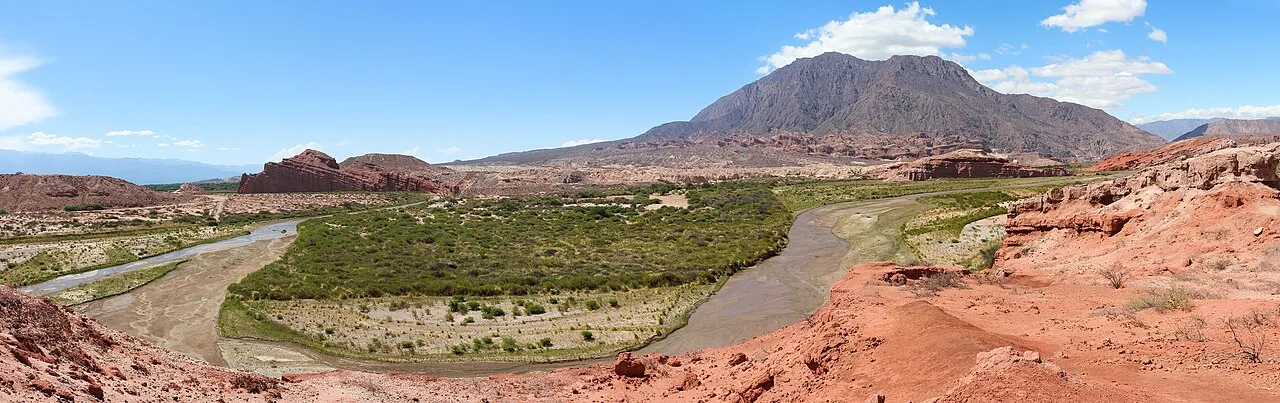
Although the city isn’t part of a major wine region, it works as a base for discovering some of the most spectacular landscapes in northern Argentina: colorful hills, gorges, historic villages and food that’s very different from the rest of the country.
What’s more, one of the most famous routes to Cafayate sets off from Salta, crossing the Quebrada de las Conchas, a road that’s worth the trip on its own.
Who is it ideal for?
- Travelers who love mountain landscapes.
- Those who want to get to know the culture of northern Argentina.
- Backpackers traveling overland through South America.
Cafayate: the magic of high-altitude wines
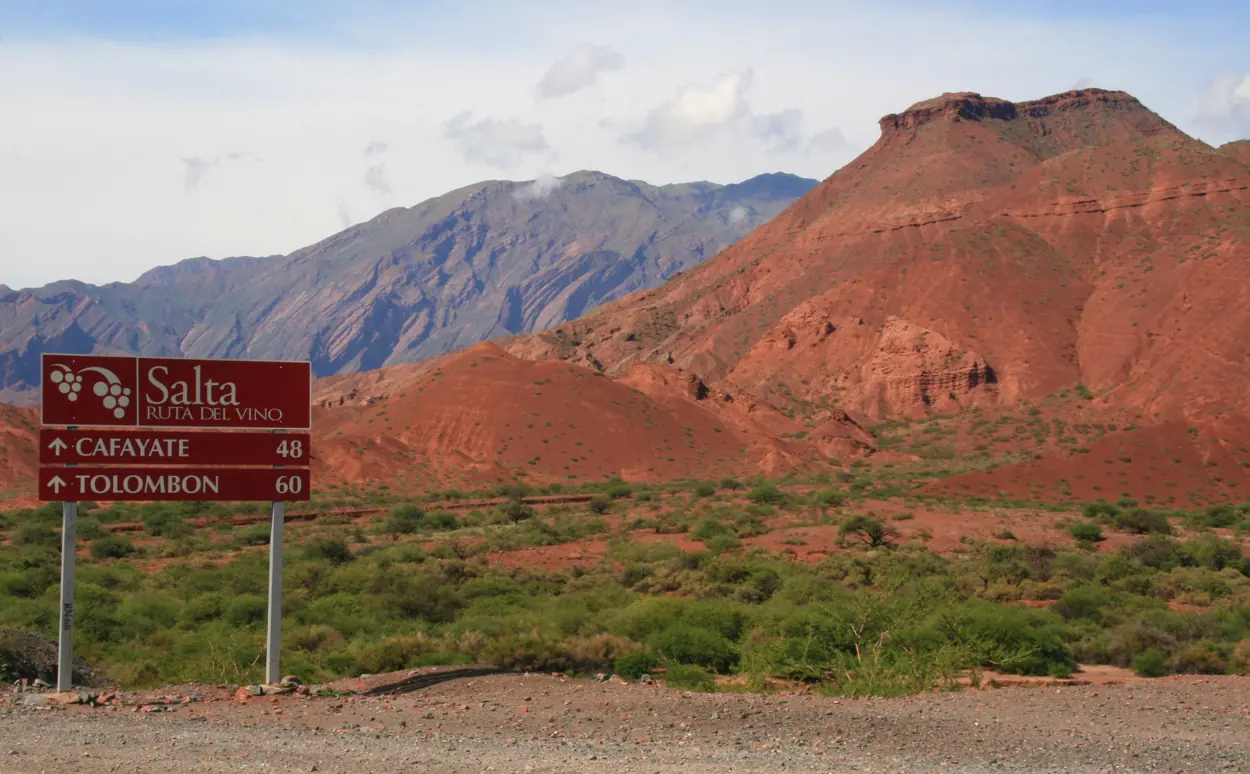
Cafayate is a town in the province of Salta. Salta’s wine route also runs through Animaná, San Carlos, Molinos and Cachi, in the Calchaquí Valleys.
The town of Cafayate sits at about 1,680 meters above sea level and its vineyards climb even higher. That’s why it’s one of the highest wine regions in the world.
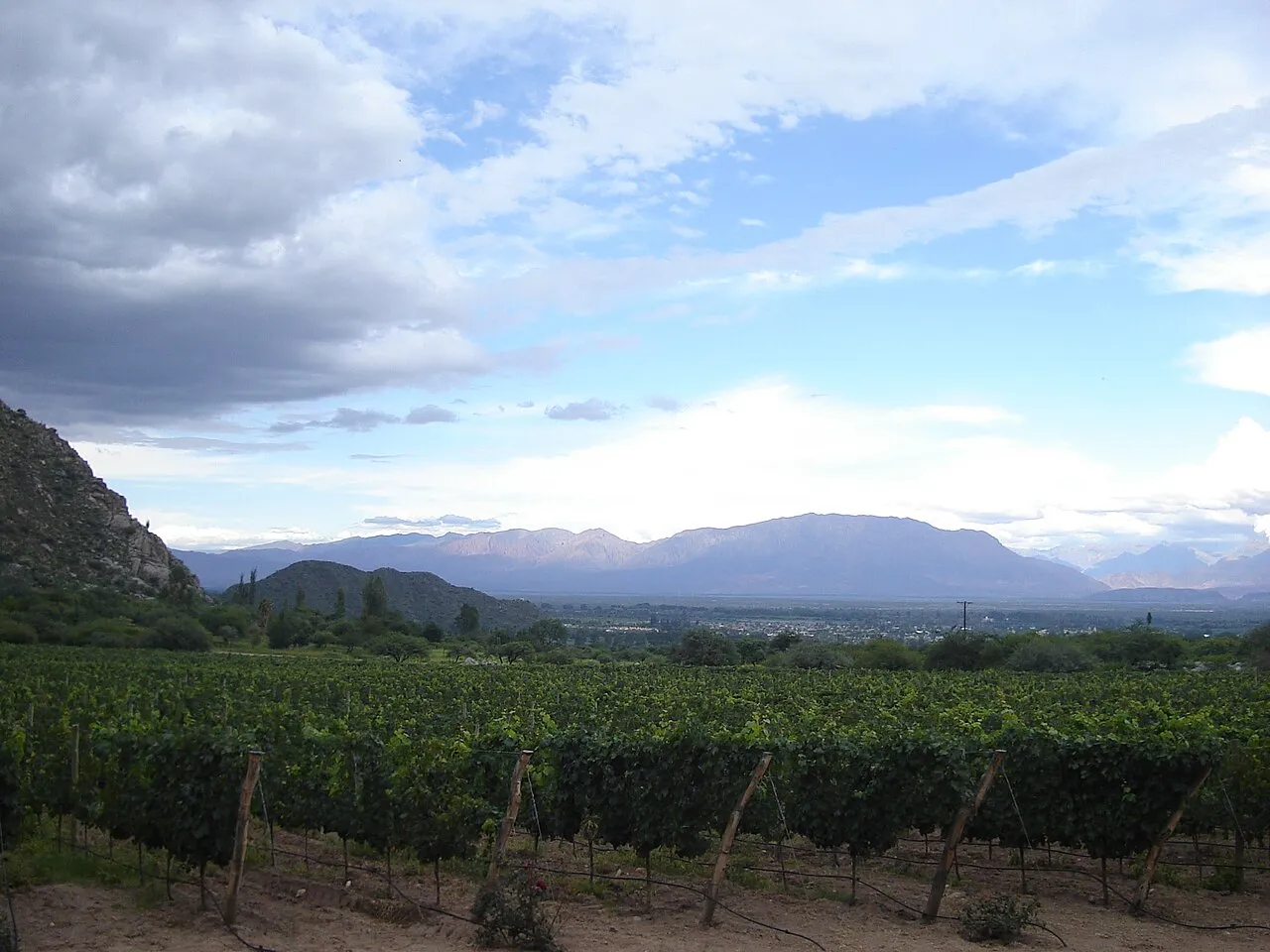
The landscape changes completely. Reddish mountains surround the vineyards, and the dry climate helps produce wines with lots of personality.
The star is the Torrontés grape, considered Argentina’s signature white variety. Aromatic, fresh and very different from traditional white wines, it often surprises even those who usually prefer reds.
Cafayate’s wineries are generally smaller and more family-run than those in Mendoza, which creates a very welcoming atmosphere for visitors.
Who is it ideal for?
- Lovers of high-altitude wines.
- Travelers looking for boutique wineries.
- Those who have time for a detour from Salta.
It’s the big wine stop in Salta, before continuing on to Mendoza.
Mendoza: the heart of Argentine wine
In Mendoza, Maipú is the starting point of this guide. You can also visit wineries in Luján de Cuyo, the Uco Valley region and San Rafael.
If Cafayate surprises you with its personality and high-altitude wines, Mendoza impresses with the sheer scale of everything it offers.
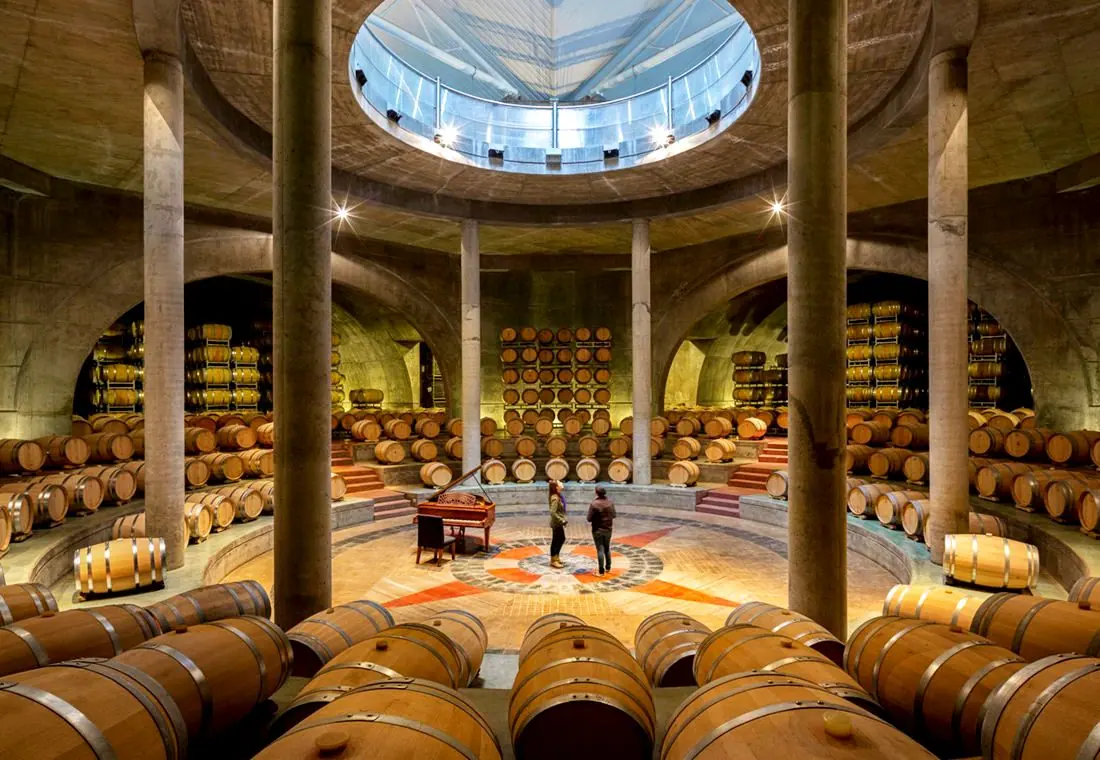
It isn’t just Argentina’s most important wine region. According to the National Institute of Viticulture (INV), Mendoza is home to most of the country’s vineyards. It’s also one of the world’s great wine capitals, known for the quality of its Malbecs, its huge variety of wineries and a tourism infrastructure developed over decades.
Unlike other regions, here wine isn’t just a tasting: it’s a complete experience.
There are historic wineries, family projects, boutique estates, award-winning restaurants, olive groves, hotels among the vineyards and activities for every kind of traveler.
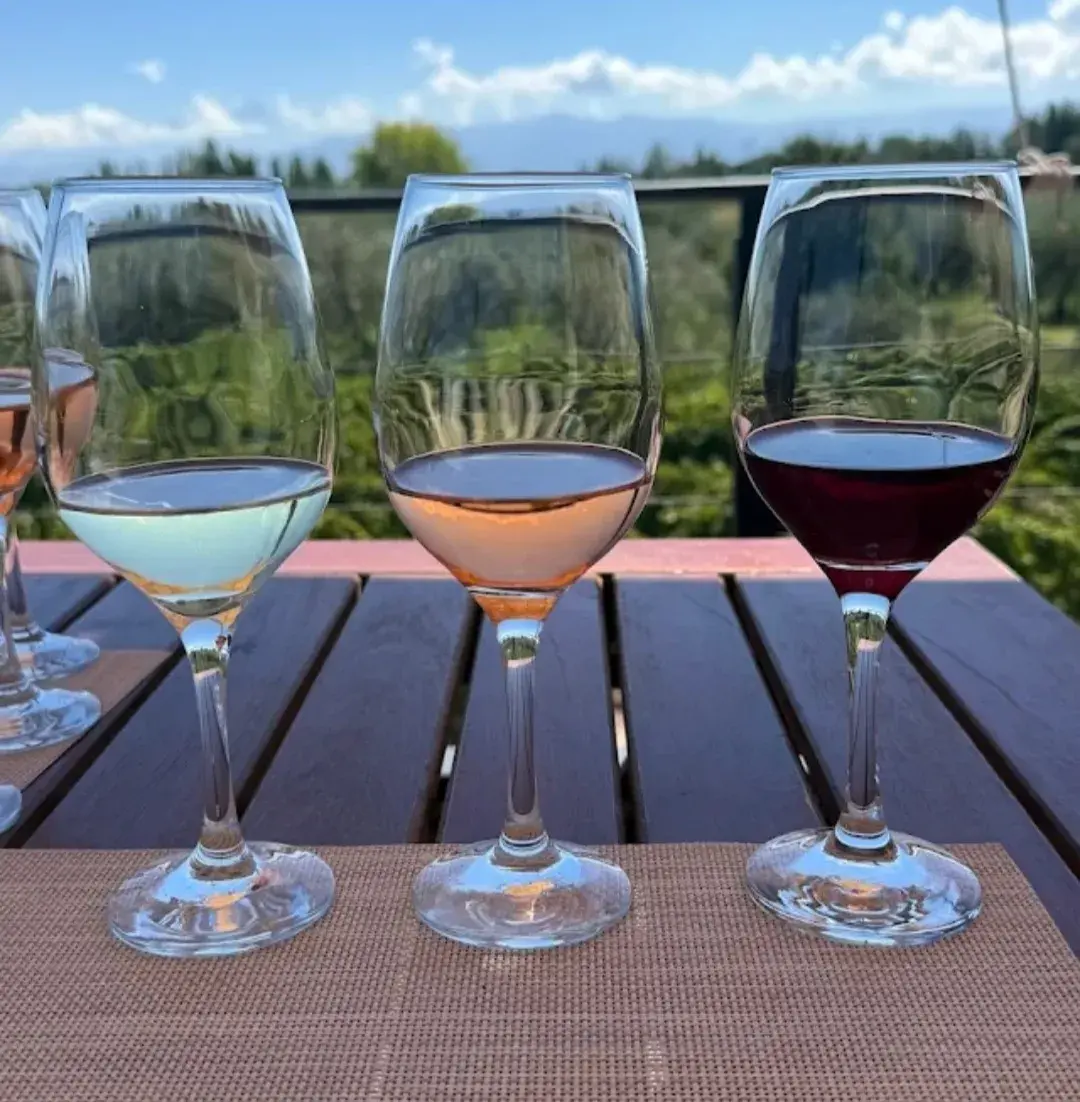
Maipú by bike: wine at your own pace
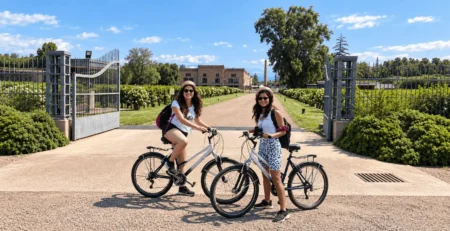
And within Mendoza, one of the favorite areas for international backpackers is Maipú, where many wineries can easily be visited by bike.
That changes the experience completely.
With the self-guided rental, each person chooses their stops within the Maipu Bikes circuit, how long to stay, where to have lunch and when to move on. The city of Maipú combines bike lanes and streets shared with cars and buses, so it’s best to ride with an eye on the traffic. If a winery requires a booking, we send you the link to make it.
That level of freedom is one of the reasons why so many travelers end up remembering Mendoza as one of the best stages of their whole trip.
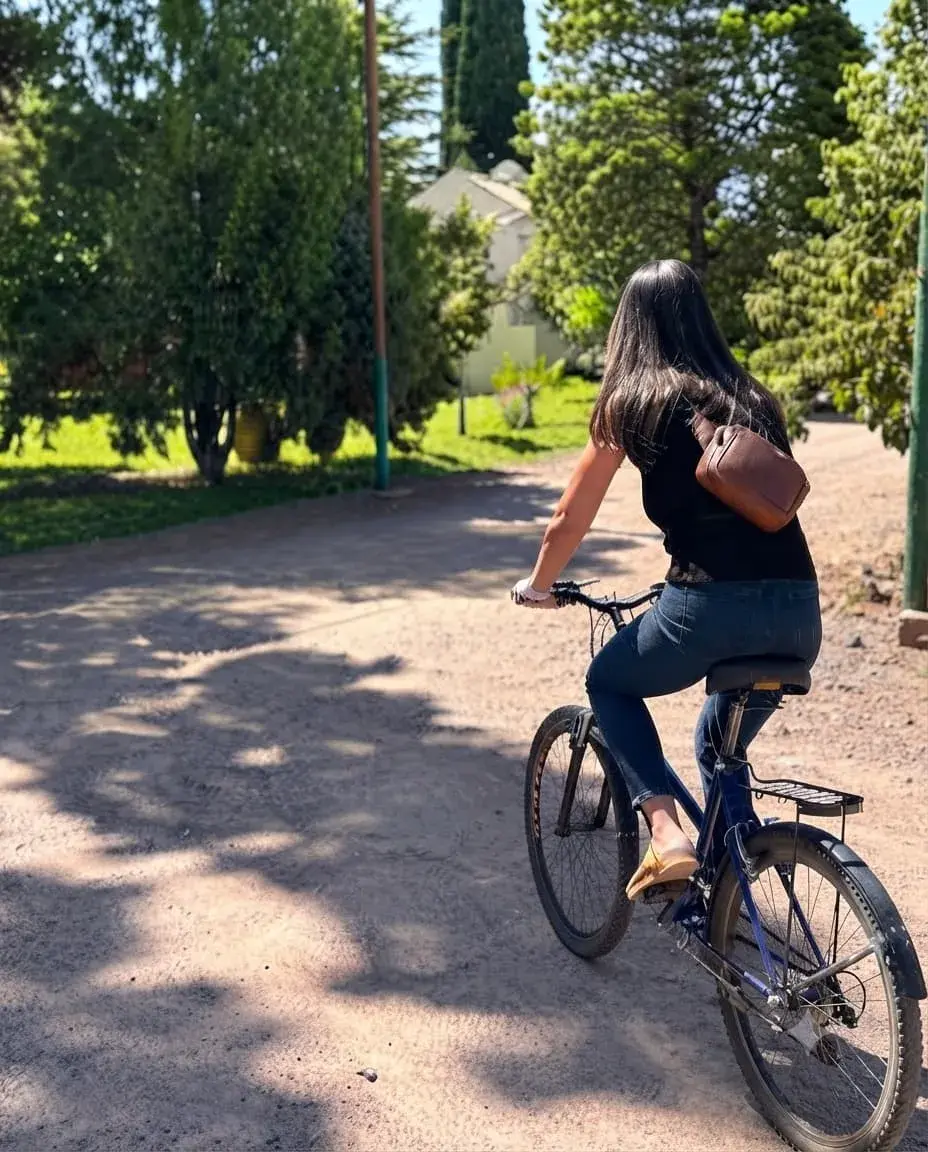
At Maipu Bikes we’ve welcomed travelers from all over the world since 2009: more than 81,000 so far. We often hear the same comparison from those who have already visited Cafayate: they enjoy both experiences, but say that in Mendoza they find a greater variety of wineries, more food options and the chance to explore everything at their own pace.
Who is it ideal for?
- Those who want a complete wine tourism experience.
- Travelers who enjoy visiting wineries by bike.
- Lovers of Malbec and good food.
- Backpackers looking to combine wine, nature and great food.
That’s why, between Salta wine and Mendoza wine, Maipú is usually the longest stop of the trip.
What changes between the wine routes of Salta and Mendoza?
Although both regions produce excellent wines, the experience for visitors is quite different.
| Aspect | Salta | Mendoza |
|---|---|---|
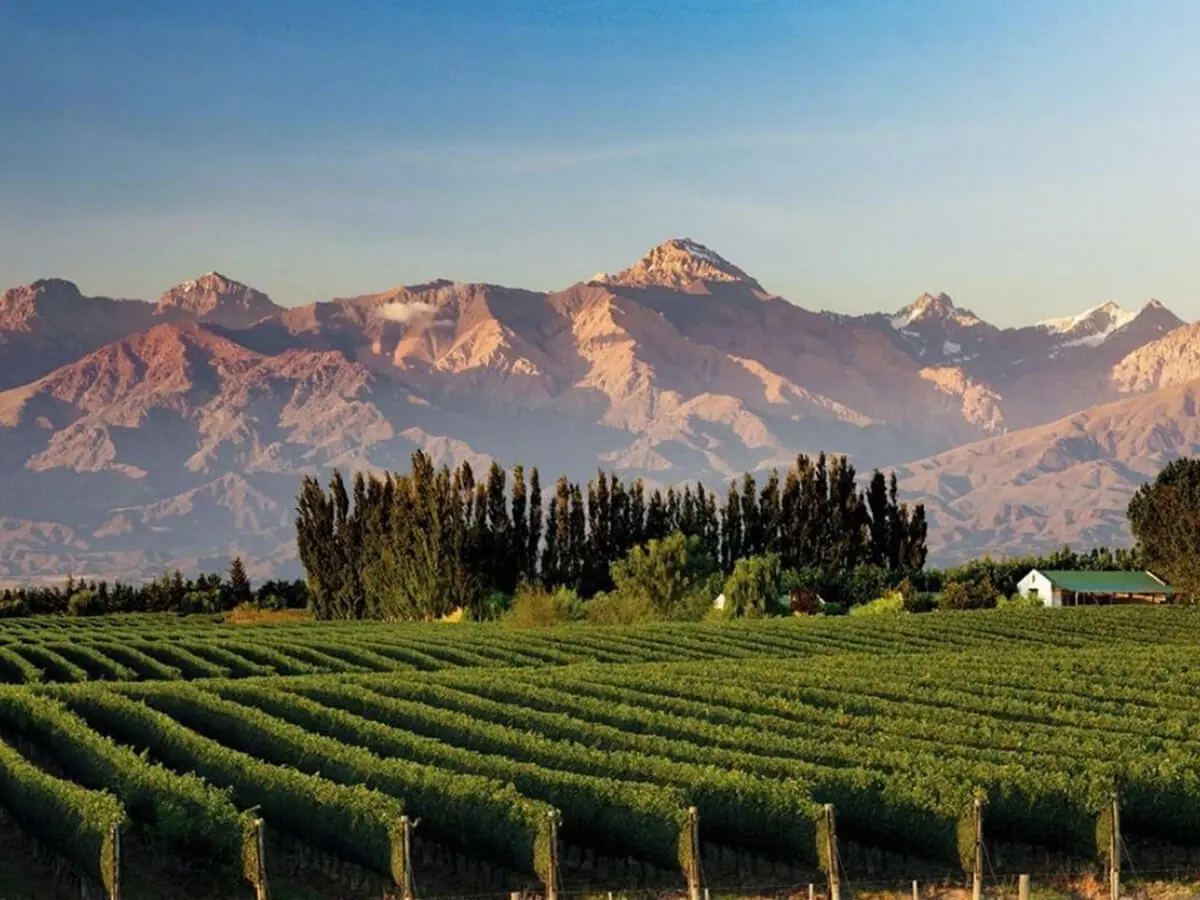
| Landscape | Reddish hills and high-altitude vineyards in Cafayate and the Calchaquí Valleys. | Vineyards with the mountains as a backdrop in Luján de Cuyo and the Uco Valley; in Maipú, wineries close to the city. |
| Variety of wineries | Fewer wineries, mostly boutique and family-run. | Hundreds of wineries of every style. |
| Signature grape | Torrontés. | Malbec. |
| How to explore | Mainly by car or on an excursion from the city of Salta. | By car or on an excursion and, in Maipú, by bike on a self-guided route. |
| Food scene | More limited. | Very wide and internationally renowned. |
Tasting wine in Salta and in Mendoza on the same trip is the best way to notice those differences.
So… which is better for a wine trip: Salta or Mendoza?
The truth is there’s no single answer. It all depends on how much time you have and the kind of trip you’re taking.
If your itinerary allows it, the two provinces complement each other very well.
- Salta brings the culture and landscapes of the north. Its wine town is Cafayate, famous for Torrontés and high-altitude wines, and the route continues through Animaná, San Carlos, Molinos and Cachi.
- Mendoza offers the most complete wine tourism experience in the country: Maipú, Luján de Cuyo, the Uco Valley and San Rafael, with hundreds of wineries, restaurants and olive groves. In Maipú, you can also ride the Wine Route by bike at your own pace.
That said, if you could only choose one wine province on your trip, Mendoza is usually the more complete option.
Not because Cafayate’s wines are inferior (in fact, they have a unique personality), but because Mendoza brings together a huge variety of wineries, different areas to explore, a top-level food scene and a tourism infrastructure that’s hard to match in South America.
What’s more, visiting the wineries of Maipú by bike adds something many travelers remember as one of the most special moments of their trip: the freedom to choose their stops within the circuit, enjoy each glass without rushing and experience wine in a much more personal way.
If you have time, combining Salta and Mendoza wine on the same trip is the best option.
In short: wine in Salta and Mendoza
A trip through northern and western Argentina doesn’t just connect some of the most incredible landscapes in South America. It also links two provinces with very different approaches to Argentine wine.
Salta opens the door to the north and its traditions.
Cafayate surprises with its high-altitude vineyards and the unmistakable character of Torrontés.
And Mendoza stands out as the great destination for anyone who wants to turn wine into a complete experience, combining wineries, food, landscapes and outdoor routes.
If you have the chance to visit both provinces on your trip, you’ll find that each has its own charm. But if you’re looking for a place to spend one or more days enjoying wine without watching the clock, Mendoza is unlikely to disappoint.
Frequently asked questions about wine in Salta and Mendoza
Is it worth visiting Salta and Mendoza on the same trip?
Yes. They’re complementary experiences. In Salta, Cafayate stands out for its high-altitude wines and relaxed atmosphere, while Mendoza offers a wider variety of wineries, activities and food options.
Which wine is Cafayate most famous for?
Torrontés is Cafayate’s signature variety and one of Argentina’s most representative white grapes.
Which wine defines Mendoza?
Malbec is the most internationally recognized variety, although Mendoza also produces excellent Cabernet Sauvignon, Cabernet Franc, Chardonnay, Bonarda and many other grapes.
What’s the best way to visit Mendoza’s wineries?
In the Maipú area, many travelers choose to visit the wineries by bike because it lets them plan the day at their own pace, choose their stops within the circuit and combine bike lanes, streets and wineries.
Read also
After Salta, explore Maipú by bike
Choose how to explore the Maipú wineries: on your own or with an itinerary we put together for you.
Self-Guided Wine Bike Tour
Self-guided rental
Bike, helmet, map and mechanical assistance. You choose your stops within the Maipu Bikes circuit and, if any of them need a booking, we send you the link. Tastings and meals are paid separately. When you get back, the Free Malbec Wine Happy Hour is waiting for you.
Maipu Wine Bike Experience
Itinerary with coordinated bookings
You follow a timed itinerary and we coordinate the bookings: Trapiche, Entre Olivos, Viña El Cerno and a tasting-menu lunch at Mevi. Bike, helmet and assistance included. At the end, the Free Malbec Wine Happy Hour.







Deja una respuesta