


Mendoza Wine Regions: Maipú, Luján de Cuyo, Valle de Uco and San Rafael
Mendoza Wine Regions: Maipú, Luján de Cuyo, Valle de Uco and San Rafael
When you start planning a wine trip to Mendoza, one of the most common questions is which of the Mendoza wine regions to pick: Maipú, Luján de Cuyo, Valle de Uco or San Rafael. Many people simply talk about «the Wine Route», but Mendoza actually has several wine areas, each with its own identity, history, landscape and style of wine.
Knowing the differences between Maipú, Luján de Cuyo, Valle de Uco and San Rafael will help you plan your itinerary and choose the experience that best suits your tastes, the time you have and the kind of trip you’re after.
A quick note before we start: there are vineyards almost everywhere in Mendoza. In this guide we focus on the four most touristic wine regions, the ones with the most wineries open to visitors and the ones travelers choose most often.
In this comparison guide we explain what makes each region special, what kind of wineries you’ll find, what their wines are like, how much time you need and which one may suit your travel style best.
Contents
- Maipú: the historic cradle of Mendoza wine
- Luján de Cuyo: the classic heart of Malbec
- Valle de Uco: altitude, freshness and big landscapes
- San Rafael: wine country in the south, between wineries and canyons
- Quick comparison of the four regions
- Which one should you choose?
- Mendoza’s five official wine regions
- FAQ
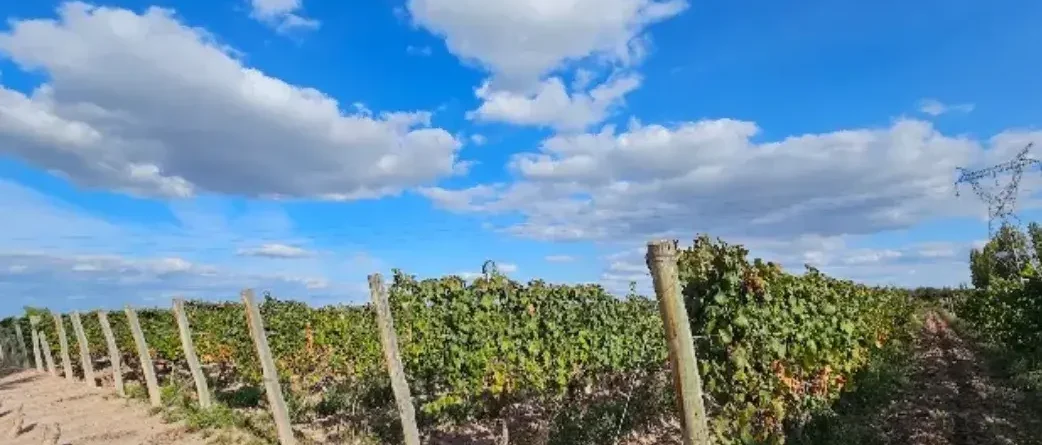
Maipú: the historic cradle of Mendoza wine
You can’t talk about the history of Argentine wine without talking about Maipú. Among the Mendoza wine regions, it was one of the first where modern winemaking took off in the late 19th century, driven by European immigrants, the arrival of the railway and new winemaking techniques.

Over time, many of the country’s most iconic wineries settled here, turning the area into one of Mendoza’s most important wine tourism destinations.
Today, internationally renowned historic estates sit alongside small family wineries, boutique projects and producers focused on sustainable viticulture, offering a wide range of experiences for anyone curious about wine.
Well-known wineries include Trapiche, La Rural (home to the traditional Wine Museum), Santa Julia, Casa Vigil, Tempus Alba, Domiciano, Mevi, Viña El Cerno and other spots that combine history, food and tastings.
What makes Maipú different from the other Mendoza wine regions?
- It’s only about 15 km from downtown Mendoza (15 to 20 minutes by car or taxi), so you can make the most of your day without long drives.
- Century-old wineries share the area with family businesses and innovative projects.
- Thanks to its soil and climate, the wines are excellent, usually fruity, round and well balanced.
- It’s one of the easiest areas to visit if it’s your first time in Mendoza.
- It’s the only one of the major wine regions where it’s genuinely practical to visit several wineries by bike, thanks to the short distances between them and the almost flat terrain. Keep in mind it’s a lived-in area, with some stretches of bike lane and others where you share the road with traffic.
That’s exactly why Maipú has become the place thousands of travelers choose to discover the Wine Route in a different way, enjoying the scenery and the fresh air and stopping at each winery at their own pace.

Luján de Cuyo: the classic heart of Argentine Malbec
Right west of Maipú, Luján de Cuyo is considered by many to be the birthplace of Argentine Malbec. In 1989 it became home to the Luján de Cuyo Controlled Designation of Origin, the first in the country, created to protect its Malbec wines. Together with Maipú it forms the so-called «Primera Zona», Mendoza’s most traditional vineyard area.
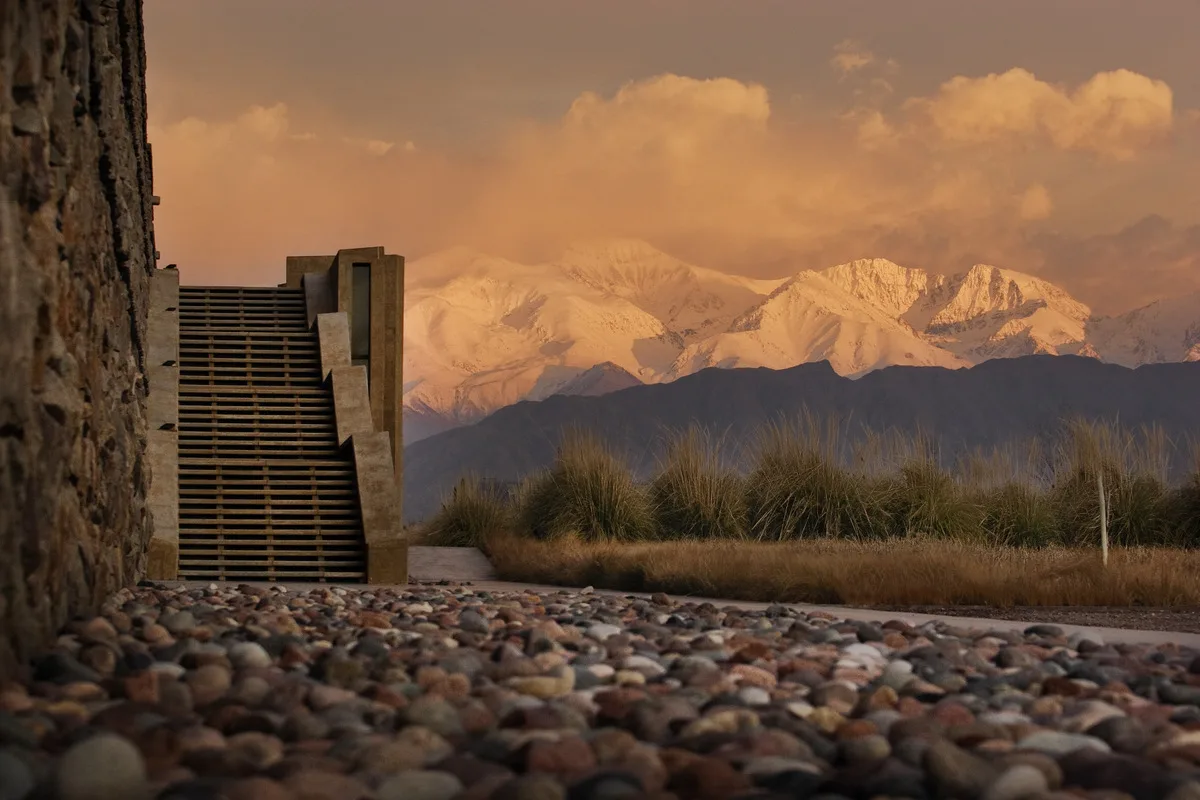
Its closeness to Mendoza city and some of the country’s most prestigious wineries make it a favorite for travelers looking for fine dining paired with premium tastings.
Beyond its history, Luján de Cuyo is known for its many winery restaurants, chef-driven cuisine and buildings whose architecture has become an attraction in its own right. Many experiences are designed to last several hours, with guided visits, tastings and wine-paired lunches.
What makes Luján de Cuyo different?
- It sits roughly between 900 and 1,100 meters above sea level, depending on the area and the vineyard.
- Its Malbecs usually balance ripe fruit, structure and elegance, and many winemakers see them as the classic Mendoza style of this grape.
- It has many wineries of international prestige, often with renowned restaurants and full food experiences.
- Distances between wineries are much longer than in Maipú, so people usually get around by car, private driver, taxi or on organized tours.
- It’s a great choice if you want to pair tastings with multi-course lunches and enjoy a slower-paced experience.
There are some outdoor activities too, but most visitors here focus on wineries, food and architecture rather than cycling from one winery to the next.
Valle de Uco: altitude, freshness and mountain landscapes
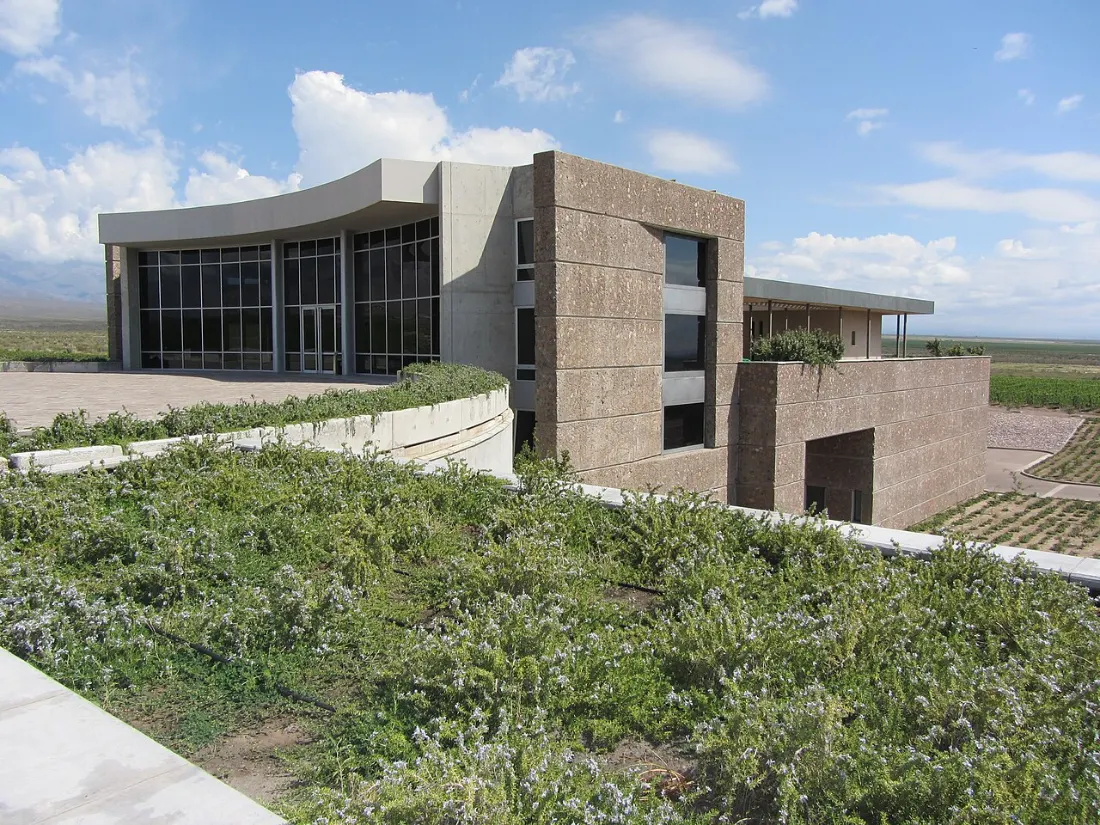
Southwest of Mendoza city, the Valle de Uco (Uco Valley) mainly covers the departments of Tunuyán, Tupungato and San Carlos. Its tourism boom is more recent than Maipú’s and Luján de Cuyo’s, yet in just a few decades it has become one of Argentina’s most prestigious wine regions and a benchmark for wine lovers worldwide.
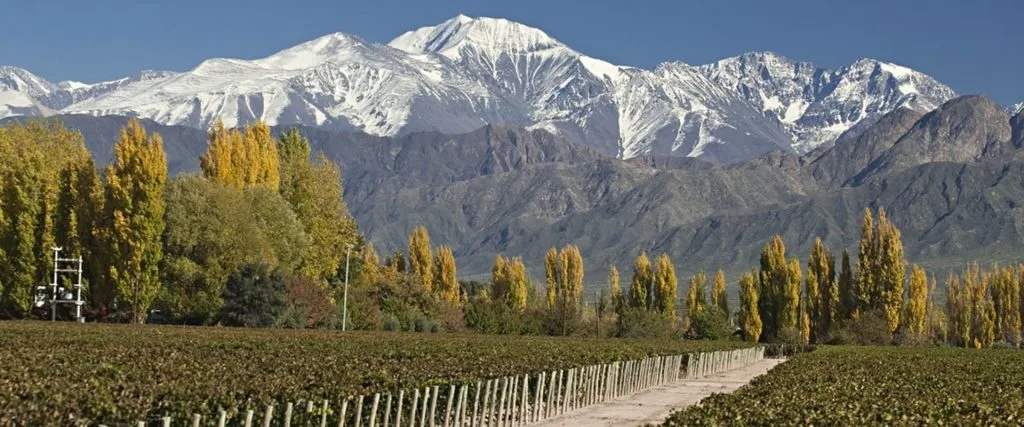
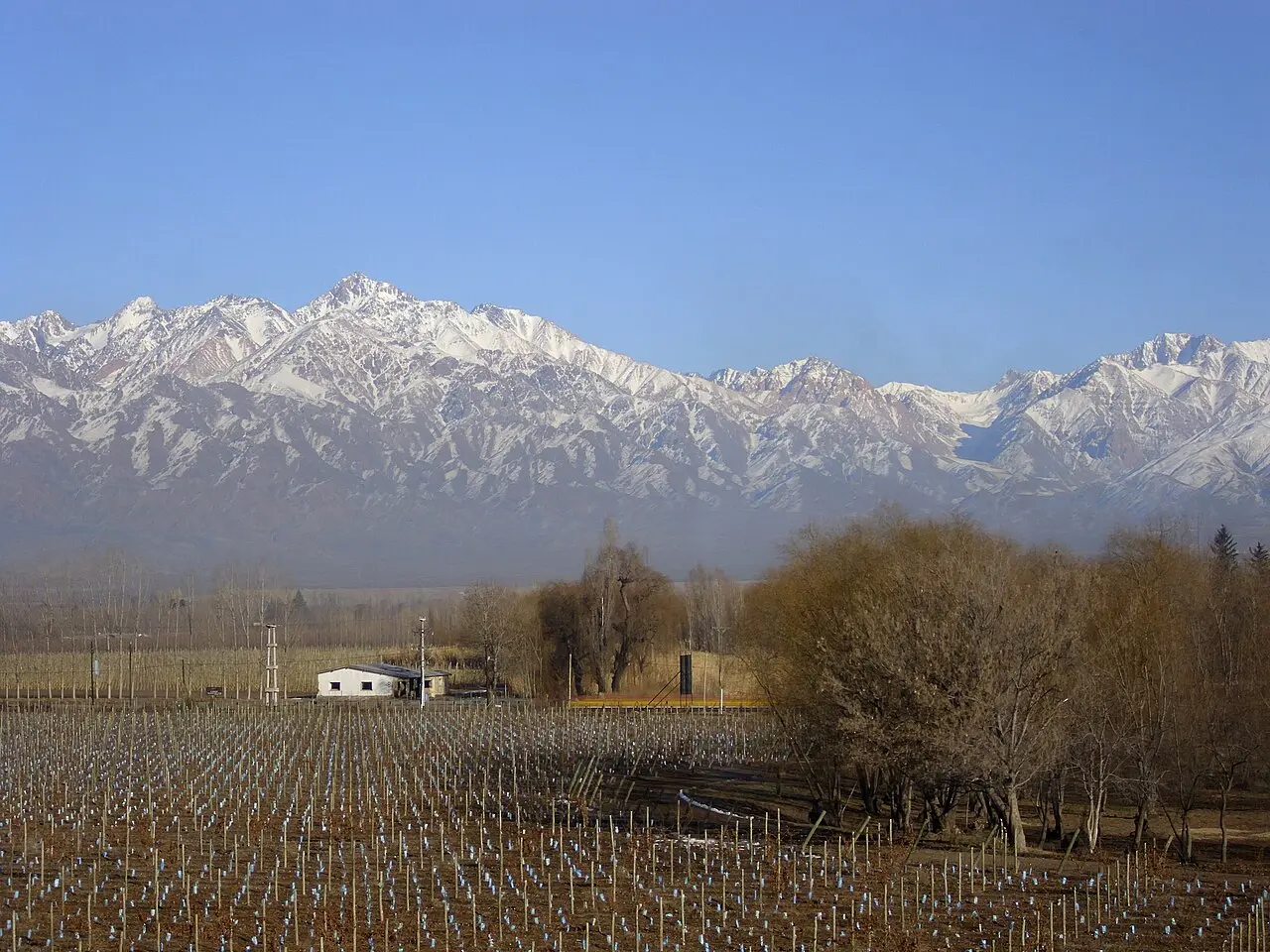
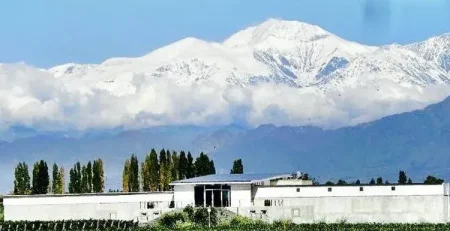
One of its biggest draws is the stunning natural setting. The vineyards face the Andes, offering some of the most photographed landscapes in Mendoza and an experience very different from the areas closer to the provincial capital.
What sets the Uco Valley apart from the other Mendoza wine regions?
- Many of its vineyards sit between 1,000 and more than 1,500 meters above sea level, depending on the subregion.
- The big temperature swing between day and night slows down ripening, giving wines with great freshness, excellent natural acidity and intense aromas.
- Many wineries make their premium and top-end wines here, taking advantage of an exceptional terroir.
- The views of the Andes are part of the experience and one of the main attractions for photographers and travelers.
- It’s roughly an hour to an hour and a half from downtown Mendoza, depending on where you go, so it’s usually planned as a full-day trip.
Visitors to the Uco Valley usually see fewer wineries than in Maipú or Luján de Cuyo, but spend more time at each one, with long visits, guided tastings and meals with amazing mountain views.
San Rafael: wine country in the south, between wineries and canyons
About 230 km south of Mendoza city, roughly three hours by road, lies San Rafael, the province’s second city and the hub of the Southern Zone, together with General Alvear. It’s one of Mendoza’s oldest wine areas: many of its wineries were founded by European immigrants in the late 19th and early 20th centuries.
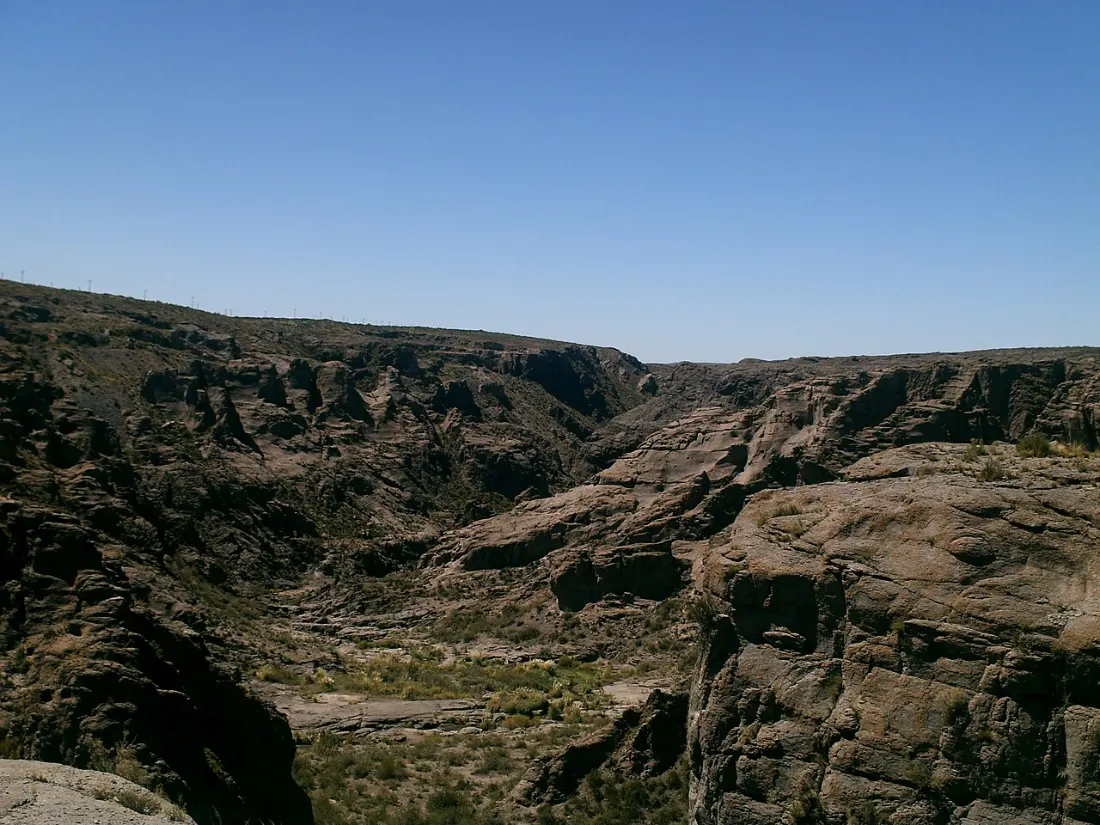
Along with Luján de Cuyo, it’s one of Argentina’s two Controlled Designations of Origin. And it has something the areas near the capital don’t: here wine goes hand in hand with nature and adventure, with the Atuel Canyon and Valle Grande just a few kilometers from the vineyards.
What makes San Rafael different from the other Mendoza wine regions?
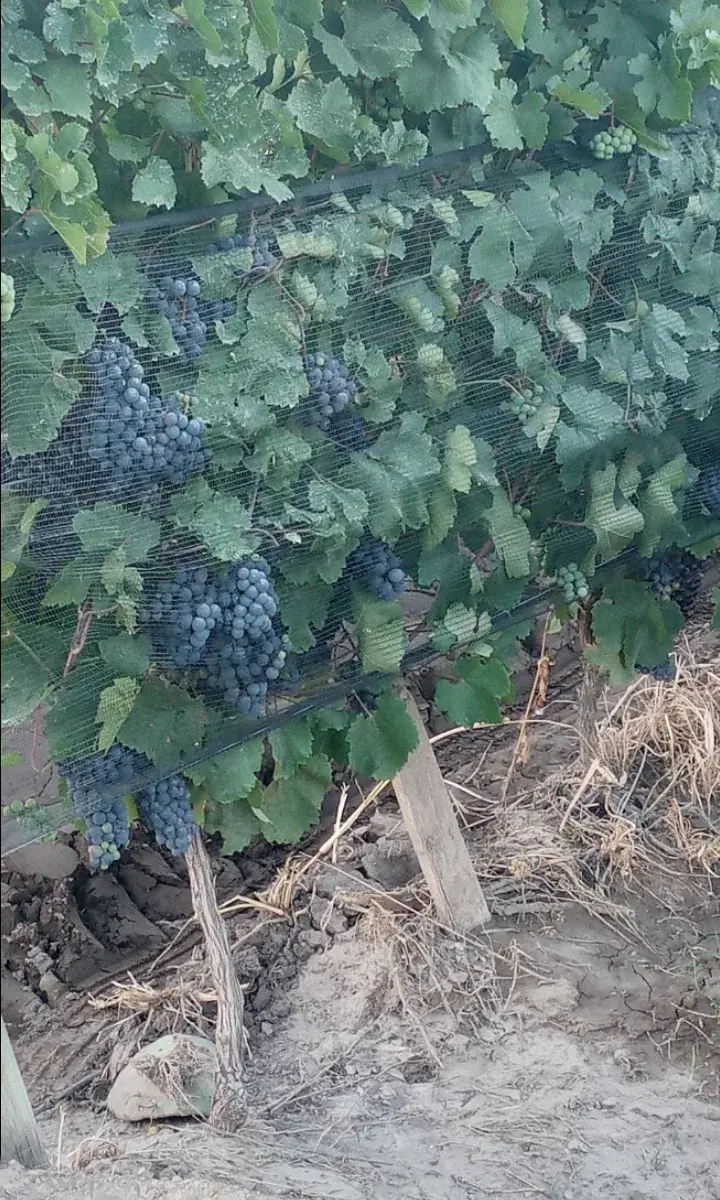
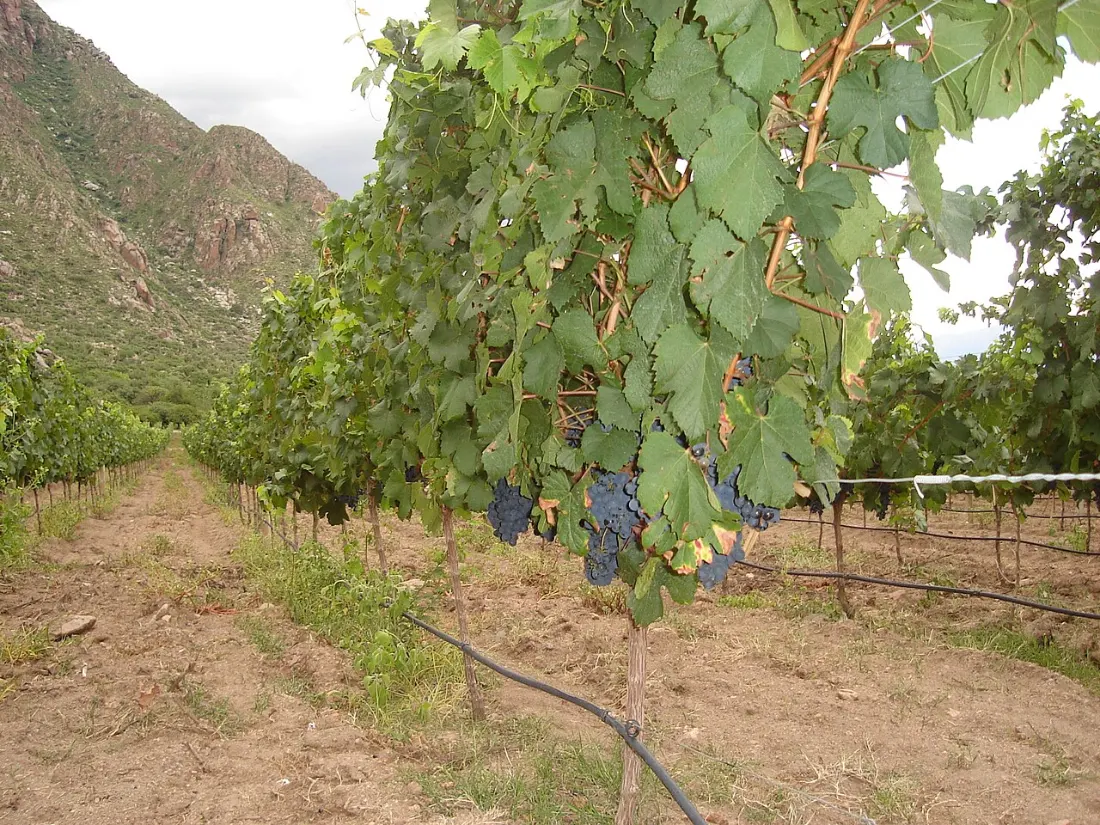
- Its vineyards sit on average at about 700 meters above sea level, irrigated by the Atuel and Diamante rivers.
- It has wineries with a long history, such as Bianchi (founded in 1928) and Suter, started by a Swiss family that arrived in the late 19th century, alongside smaller family projects.
- Besides Malbec, it’s known for its sparkling wines and for varieties like Cabernet Sauvignon, Bonarda and Chenin Blanc.
- Because of the distance, it’s not a good day trip from Mendoza city: most people stay one or two nights.
- Many travelers combine it with rafting, kayaking or trips through the Atuel Canyon.
It’s a great option if you have several days in Mendoza and want to add a nature trip to your wine experience, at a calmer pace than in the areas near the capital.
Quick comparison of the four Mendoza wine regions
| Feature | Maipú | Luján de Cuyo | Uco Valley | San Rafael |
|---|---|---|---|---|
| Distance from the city | 15-20 minutes | 20-30 minutes | 1 to 1.5 hours | About 3 hours (230 km) |
| Wine history | The oldest | Long-standing tradition | Modern development | Over a century, founded by immigrants |
| Approximate altitude | 700-900 m | 900-1,100 m | 1,000-1,500+ m | About 700 m (average) |
| Wine style | Fruity and balanced | Classic, structured Malbec | Fresh, elegant and mineral | Varied, with a sparkling wine tradition |
| Usual way to get around | Bike, car or private driver | Car or tour | Car or tour | Overnight trip by car or tour |
| Best for… | First-time visitors and active days | Food lovers and classic Malbec | Landscapes, high-end wines and high-altitude wines | Longer trips, wine and adventure |
So, which of the Mendoza wine regions should you choose?
It mostly depends on how much time you have, the kind of experience you want and how you like to get around. No region is «better» than another: all four offer high-quality experiences and show different sides of Mendoza winemaking.
Choose Maipú if…
- You only have one day to visit wineries.
- Making the most of your time, with short transfers, matters to you.
- You’d like to visit some of Mendoza’s most historic wineries.
- A relaxed, outdoor day without relying on a vehicle sounds ideal.
- You’d love to ride the Wine Route by bike, stopping at wineries, olive groves and restaurants at your own pace.
Luján de Cuyo is for you if…
- You want to taste the classic style of Mendoza Malbec.
- Winery restaurants and top-level food experiences are a priority.
- Spending several hours at each visit suits you.
- You’re traveling by car or plan to hire a driver.
Choose the Uco Valley if…
- You have a full day for the trip.
- Mountain landscapes are your thing.
- You want to visit some of the highest-altitude wineries in Argentina.
- Fresher, elegant wines with a strong sense of terroir are what you’re after.
Choose San Rafael if…
- You have at least two extra days in Mendoza.
- Combining wineries with nature and adventure appeals to you.
- You’re into century-old wineries and sparkling wine.
- A quieter trip, away from the busiest circuits, sounds better.
Many travelers who stay several days in Mendoza spend one day in each region. That way they can compare styles, landscapes and experiences, and discover that each area offers a different take on Argentine wine.
Can you combine the Mendoza wine regions on one trip?
Yes. In fact, it’s one of the best ways to discover the variety of Mendoza wine. If you have three or four days, a great option is to spend one day in each of the three regions closest to the city and keep another day to explore the city or head into the mountains.
A typical plan could be:
- Day 1: explore Maipú by bike, visiting historic wineries, small producers and olive groves.
- Then, on day 2: visit Luján de Cuyo, combining tastings with lunch at a winery.
- Finally, on day 3: take a full-day trip to the Uco Valley to enjoy the Andes views and its high-altitude wines.
If you have more time, add two days in San Rafael. The trip from the city takes about three hours by car or bus, and it’s worth staying to combine its wineries with the Atuel Canyon.
This itinerary lets you see how landscapes, wine styles and experiences change as you move through the different Mendoza wine regions.
If you want to dig deeper into each region, Wines of Argentina, the organization that promotes Argentine wine around the world, has information on the country’s wine regions.
Mendoza’s five official wine regions
The four regions in this guide are the best prepared for visitors, but there are vineyards almost everywhere in Mendoza. According to the National Institute of Viticulture (INV), the province has five wine regions, which include 16 departments:
- Central Zone: Maipú, Luján de Cuyo, Godoy Cruz and Guaymallén. It’s the closest to the city and the easiest to explore in a day.
- Eastern Zone: San Martín, Junín, Rivadavia, Santa Rosa and La Paz. According to the INV, it has the largest vineyard area in Mendoza. It produces a lot of volume and gets fewer tourists.
- Uco Valley: Tupungato, Tunuyán and San Carlos, with the highest vineyards.
- Southern Zone: San Rafael and General Alvear, more than 200 km from the city. It has family wineries with their own identity and is often combined with adventure tourism, such as the Atuel Canyon.
- Northern Zone: Lavalle and Las Heras, an area with a winemaking tradition that few tourists know.
The winery and the grapes don’t always come from the same region
Here’s something that confuses many travelers: where a winery is located isn’t always where its grapes grow. A Maipú winery may make wine with grapes from Luján de Cuyo or the Uco Valley, and vice versa. If you want to know where your wine comes from, check the label: it often shows where the grapes were grown. You can also ask during tastings; winemakers love that question.
Explore Maipú the most authentic way
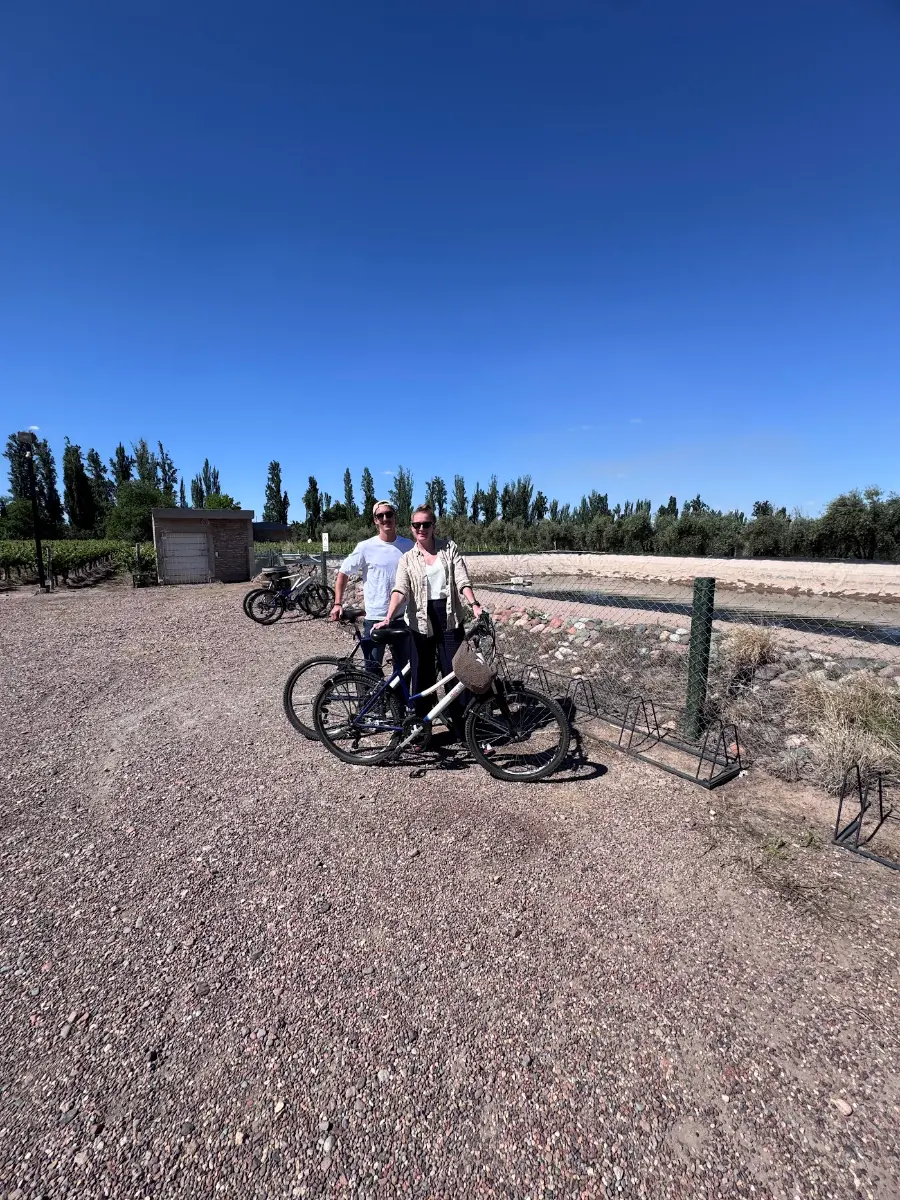
If you decide to start with Maipú, one of the nicest ways to discover it is by bike. The wineries are close to each other and the terrain is almost flat. You’ll ride past vineyards and olive groves, but also along streets with neighbors, buses and trucks, so wear a helmet, ride in single file and stay alert.
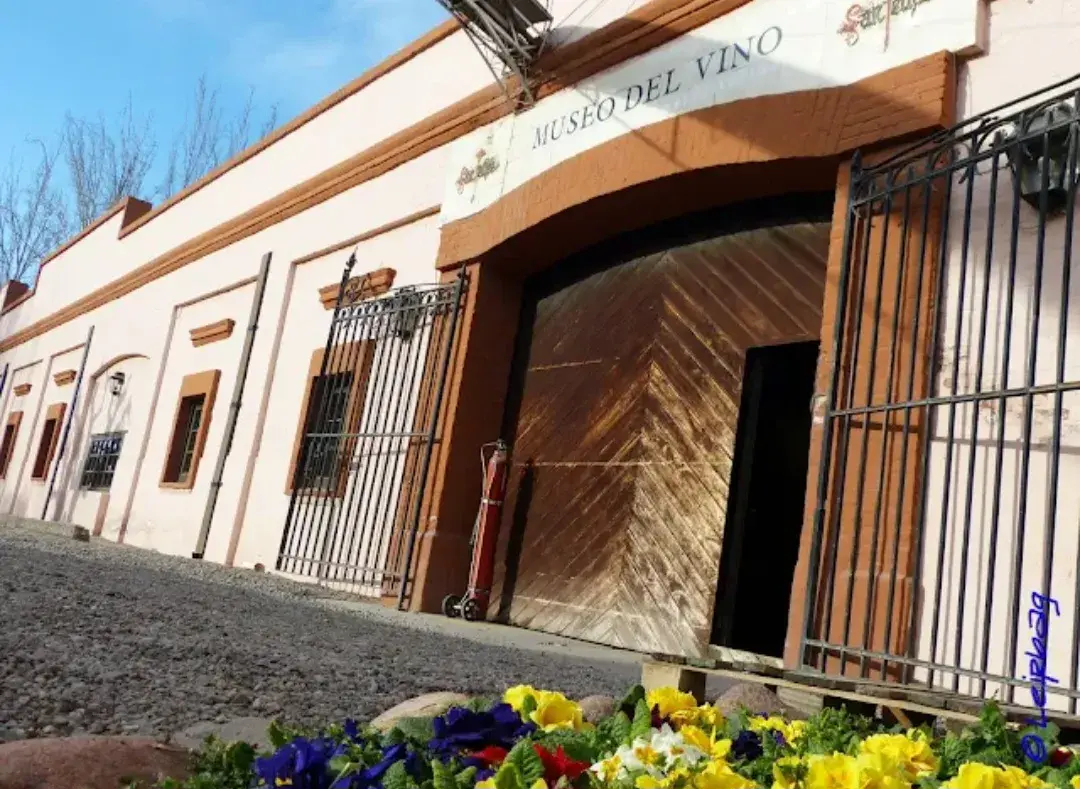
At Maipu Bikes, bike rental in Maipú since 2009, we’ve welcomed more than 81,000 travelers. It’s self-guided: we give you a bike, helmet, map and directions, and you plan your day among wineries, olive groves and restaurants. Bikes go out until 2:30 pm and must be back before 6 pm.
Before you go, we recommend reading how to explore the Maipú Wine Route by bike and our article on whether it’s safe to cycle between wineries.
Frequently asked questions
Which is the best wine region in Mendoza?
There’s no single answer. Maipú stands out for its history and the chance to visit wineries by bike, Luján de Cuyo for its classic Malbecs and food, the Uco Valley for its high-altitude wines and mountain scenery, and San Rafael for combining century-old wineries with adventure.
Which region is closest to Mendoza city?
Maipú is the wine region closest to downtown Mendoza, about 15 to 20 minutes by car.
Can you do the Wine Route by bike?
Yes, but the best area for it is Maipú, because the distances between wineries are much shorter than in the other regions and there’s a circuit used by travelers from all over the world.
How many days should you spend on the Wine Route?
If you have several days, ideally spend one in Maipú, another in Luján de Cuyo and a third in the Uco Valley. If you only have one day, Maipú is usually the most practical option thanks to its proximity and the number of wineries. With more days, you can add two in San Rafael.
Which region produces the best Malbec?
All four make excellent Malbec, each with a different profile. Luján de Cuyo is usually linked to the classic style, while the Uco Valley stands out for fresher wines that show their altitude. Maipú offers fruity, balanced Malbecs with a long history, and San Rafael adds a long tradition of sparkling wine.
Start with Maipú, the closest region
Both experiences are self-guided and let you discover one of the most historic Mendoza wine regions at your own pace.
Self-Guided Wine Bike Tour
Self-guided rental
Bike, helmet, map and mechanical assistance. You choose your stops within the Maipu Bikes circuit, and if any of them requires a booking, we’ll send you the link. Tastings and meals are paid separately. When you get back, the Free Malbec Wine Happy Hour is waiting for you.
Maipu Wine Bike Experience
Itinerary with coordinated bookings
You follow a timed itinerary and we coordinate the bookings: Trapiche, Entre Olivos, Viña El Cerno and a multi-course lunch at Mevi. Bike, helmet and assistance included. At the end, the Free Malbec Wine Happy Hour.






Deja una respuesta