


Mendoza Malbec: What it is, where it comes from and how to enjoy it
Mendoza Malbec: What it is, where it comes from and how to enjoy it
If it’s your first time in Mendoza, there’s one word you’ll hear again and again: Malbec. It’s on restaurant wine lists, at tastings and in conversations with other travelers. Anyone can enjoy it, and knowing a few basics helps you get more out of every glass.
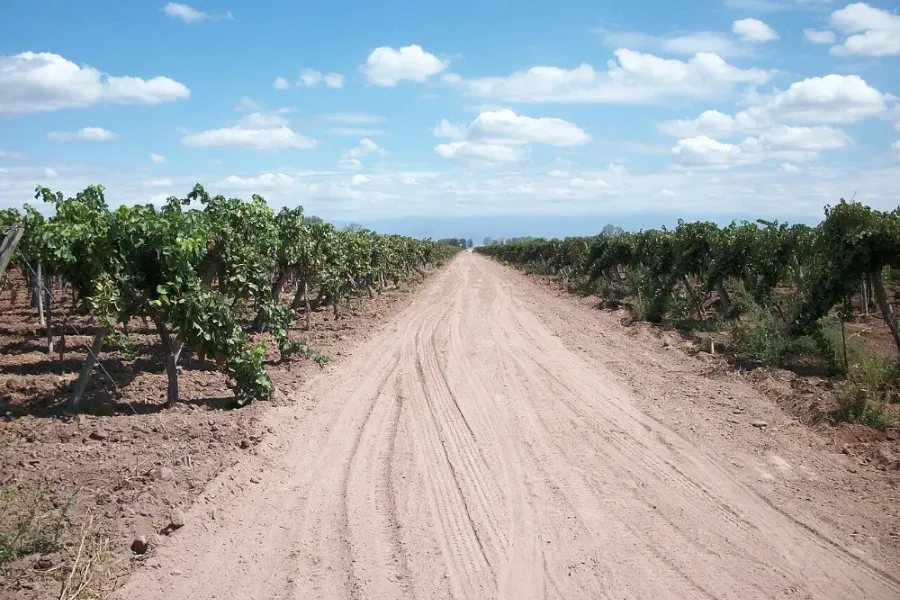
If you’re cycling along the Maipú Wine Route, chances are you’ll try several Malbecs in a single day and find that no two taste alike.
What is Malbec, and why is Mendoza famous for it?
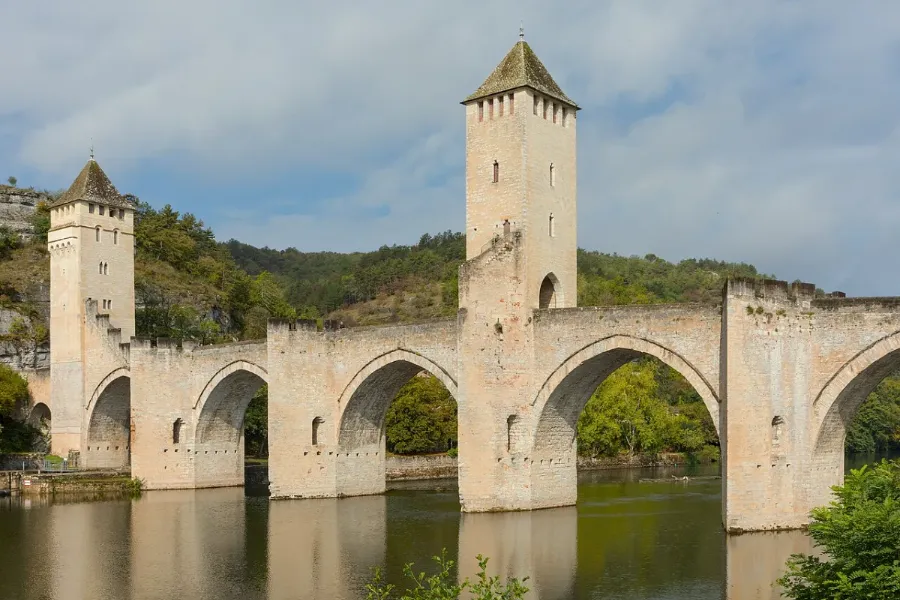
Malbec is a red grape from southwestern France. Its historic home is Cahors, where it’s still known as Côt or Auxerrois. It was also widely grown in Bordeaux. Two setbacks led to its decline in France: phylloxera, an insect that devastated much of Europe’s vineyards in the late 19th century, and the frost of 1956, after which many growers replanted with other varieties.
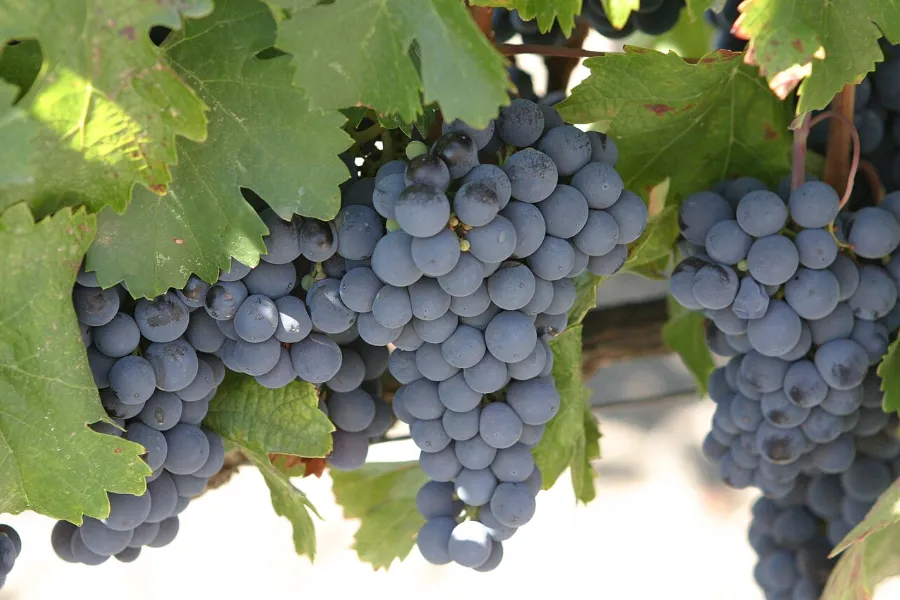
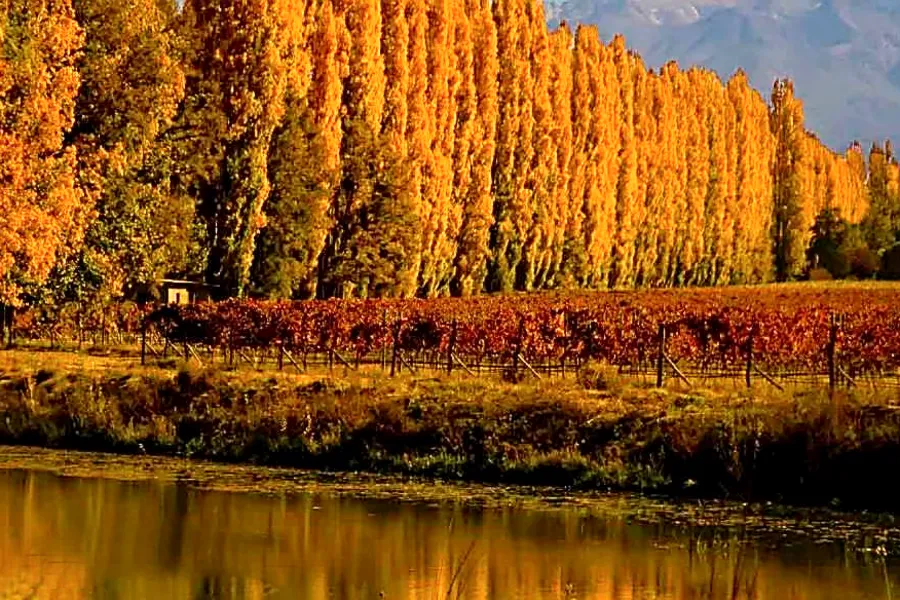
Malbec arrived in Mendoza in 1853 with French agronomist Michel Aimé Pouget, who was hired to run the Quinta Normal de Agricultura. The proposal to establish it was submitted on April 17 of that year, which is why Malbec World Day is celebrated every April 17. The grape found just what it needed here: plenty of sunshine, cool nights, low humidity, meltwater from the Andes and well-drained soils.
Over time, it developed a character all its own, unlike Malbec from anywhere else.
Argentina is now the world’s largest producer of Malbec. According to the Instituto Nacional de Vitivinicultura (INV), there were 47,064 hectares planted at the end of 2024. It’s the country’s most widely grown grape variety, with plantings in 18 provinces. Mendoza accounts for nearly 85% of that area, followed by San Juan and Salta.
Within Mendoza, the largest Malbec plantings are now in Luján de Cuyo and Valle de Uco (Tunuyán, Tupungato and San Carlos). Together, Luján de Cuyo and Maipú make up the area known as “Primera Zona,” one of the province’s oldest winegrowing areas. Some Maipú wineries have been making wine for more than a century.
Maipú is more than a countryside postcard. Today, neighborhoods, shops and busy avenues sit alongside wineries, vineyards and olive groves. In just a few kilometers, you can go from city streets to rows of vines and see a piece of Argentina’s wine history that’s still very much alive.

How to recognize it at a wine tasting
You don’t need years of tasting experience to spot a Mendoza Malbec. Look for three things:
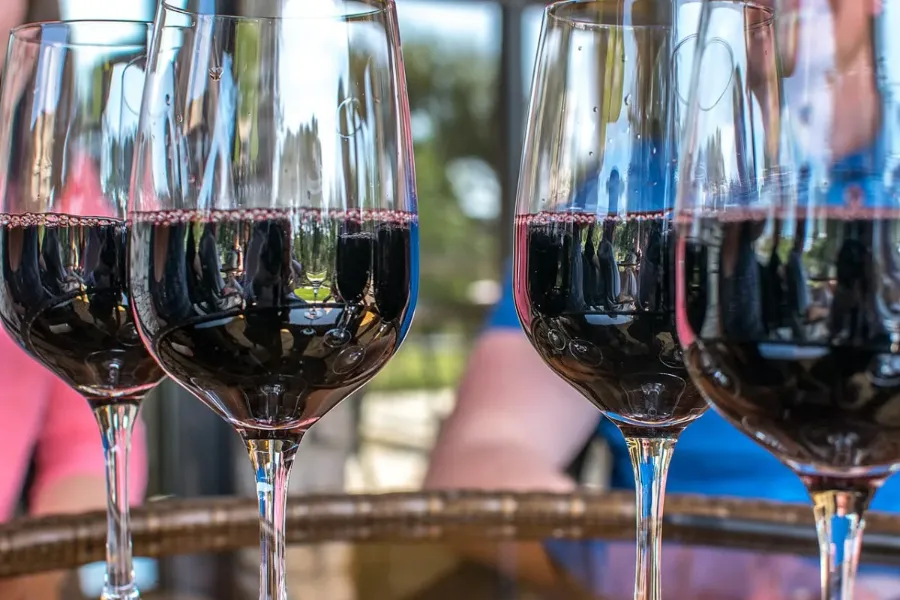
- Color: deep, bright purplish red.
- Aromas: ripe plums, blackberries, black cherries and violets. If it’s barrel-aged, you might also pick up vanilla, cocoa, coffee or tobacco.
- On the palate: soft tannins, a medium to full body and a long finish. All of that makes it an approachable wine for beginners.
Young or oak-aged?
This is one of the first distinctions you’ll hear about at wineries:
- Young Malbec: bottled early to preserve its fruit flavors. It’s fresh and easy to drink, ideal for a daytime tasting.
- Oak-aged Malbec: spends several months in oak barrels, gaining complexity, spicy aromas and more structure. It goes beautifully with grilled meats or pasta.
Try both styles of Mendoza Malbec and see which you prefer. And don’t be surprised if two Malbecs you try on the same day taste very different. Vine age, soil, altitude, vintage, aging and the winemaker’s choices all play a part.
Mendoza Malbec and the world’s other great wine regions
Just as Mendoza is known for Malbec, other regions have built their reputations around a signature grape:
| Region | Signature grape |
|---|---|
| Mendoza (Argentina) | Malbec |
| Napa Valley (United States) | Cabernet Sauvignon |
| La Rioja (Spain) | Tempranillo |
| Tuscany (Italy) | Sangiovese |
| Barossa Valley (Australia) | Shiraz |
| Valle de Colchagua (Chile) | Carmenère |
Malbec grows outside Mendoza too. The Valles Calchaquíes de Salta (Cafayate) produce highly regarded high-altitude Malbecs, and San Juan, Patagonia and other provinces make their own. What sets Maipú apart is how close the wineries are to each other. Many are just a few kilometers apart, so you can bike from one to the next at your own pace, past vineyards and olive groves.
What foods go well with it?
Mendoza Malbec is one of Argentina’s most versatile wines. It goes especially well with:
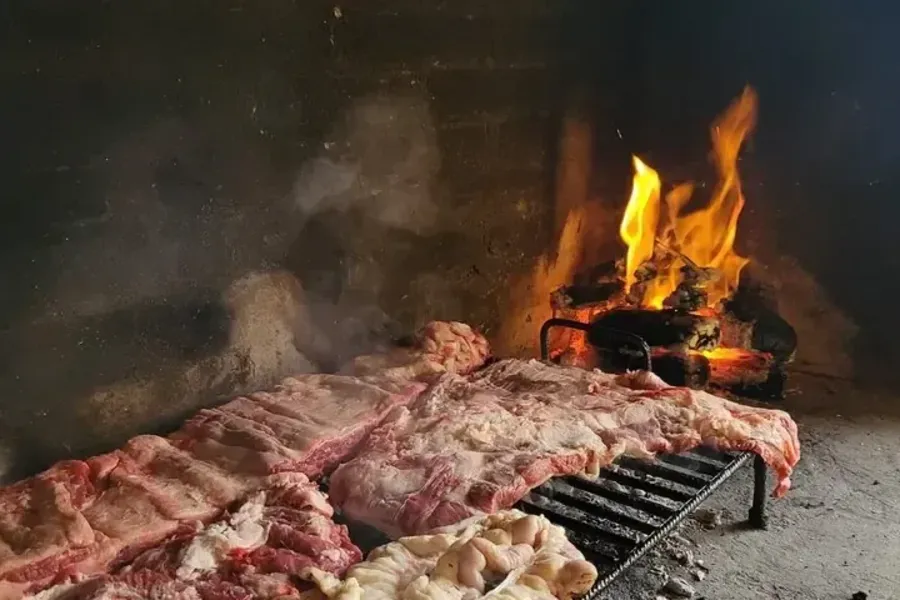
- grilled meats
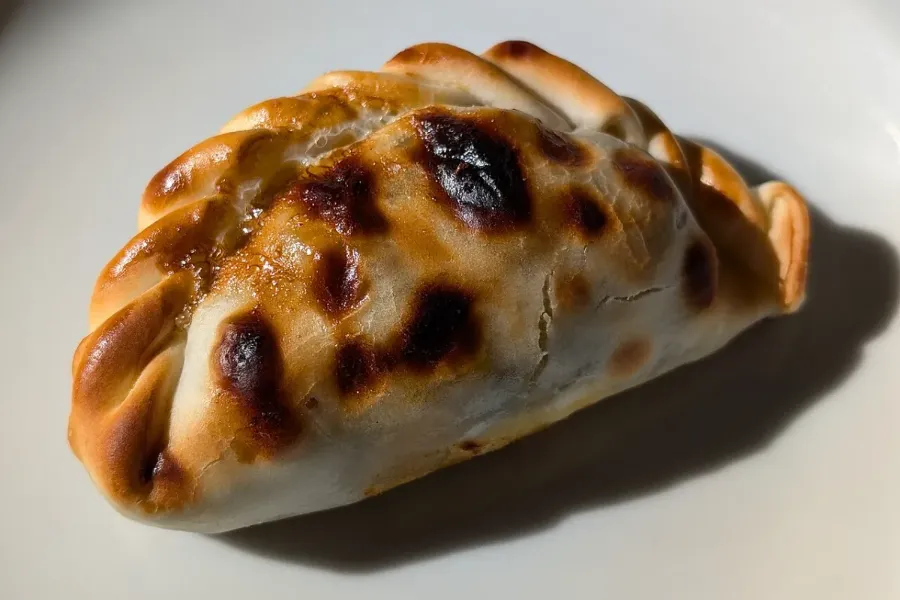
- empanadas
- pasta with rich sauces
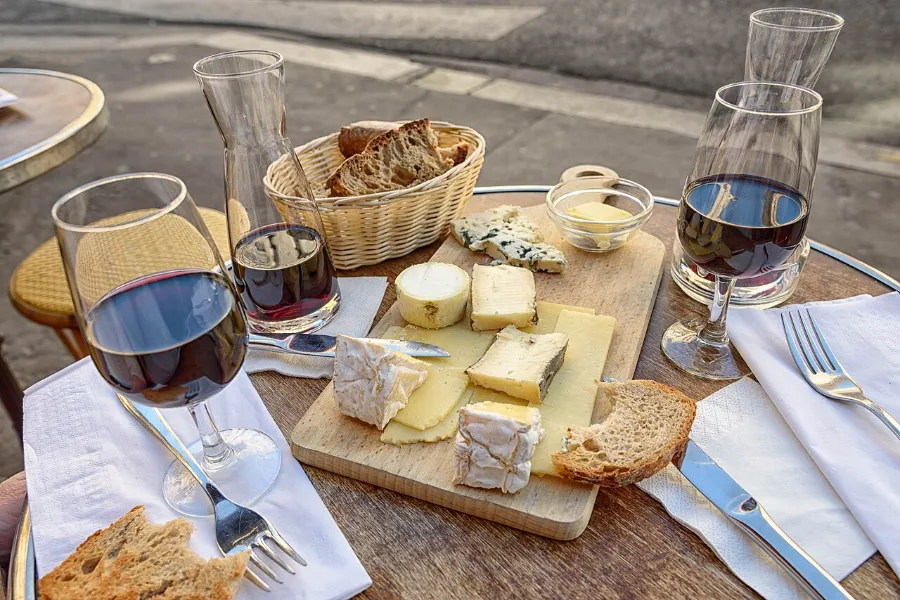
- semi-hard cheeses
- chocolate with a high cocoa content
Frequently asked questions about Mendoza Malbec
Is Malbec native to Argentina?
No. It originated in France, but it was in Mendoza that it came into its own and gained international recognition.
When is Malbec World Day?
April 17. If you’re visiting then, many wineries put on special events.
Where can I try Malbec in Mendoza?
Maipú is one of the most popular destinations. The wineries are close together, so you can visit by bike and try several styles in a single day.
The best way to discover Malbec
Reading about Malbec helps, but the best way to get to know it is to taste it where it’s made. On the Maipú Wine Route, you can stop at wineries at your own pace, compare styles and take in the scenery between tastings.
Taste Malbec where its Argentine story was written
Two ways to compare Malbec styles in a single day as you cycle through Maipú at your own pace.
Self-Guided Wine Bike Tour
Bike rental for a self-guided ride
Bike, helmet, map and mechanical support. Choose your stops along the Maipu Bikes route. If a stop requires a reservation, we’ll send you the link. Tastings and meals are paid for separately. The Free Malbec Wine Happy Hour is waiting for you when you get back.
Maipu Wine Bike Experience
Itinerary with reservations arranged for you
Cycle on your own following a timed itinerary, with reservations arranged by us: Trapiche, Entre Olivos, Viña El Cerno and a multi-course lunch at Mevi. Bike, helmet and support are included. Finish the day with the Free Malbec Wine Happy Hour.










Deja una respuesta