


What Makes Mendoza Unique? 10 Curiosities That Surprise Travellers
What Makes Mendoza Unique? 10 Curiosities That Surprise Travellers
Mendoza is one of the most visited provinces in Argentina, but also one of the most surprising. First-time visitors usually come for the wineries and Malbec, yet they quickly discover there’s much more to see. So, what makes Mendoza unique?
Mendoza has irrigation channels along almost every street, a city designed to live with earthquakes, the Zonda wind, the Andes and the oasis that made wine possible. That combination sets it apart from the rest of the country.

In this guide we explain what makes Mendoza unique and why these elements are part of Mendoza’s identity.
1. The acequias: the first thing that makes Mendoza unique
If there’s one thing that catches first-time visitors’ attention, it’s the acequias. These small water channels run alongside streets, squares and pavements and are part of the everyday landscape.
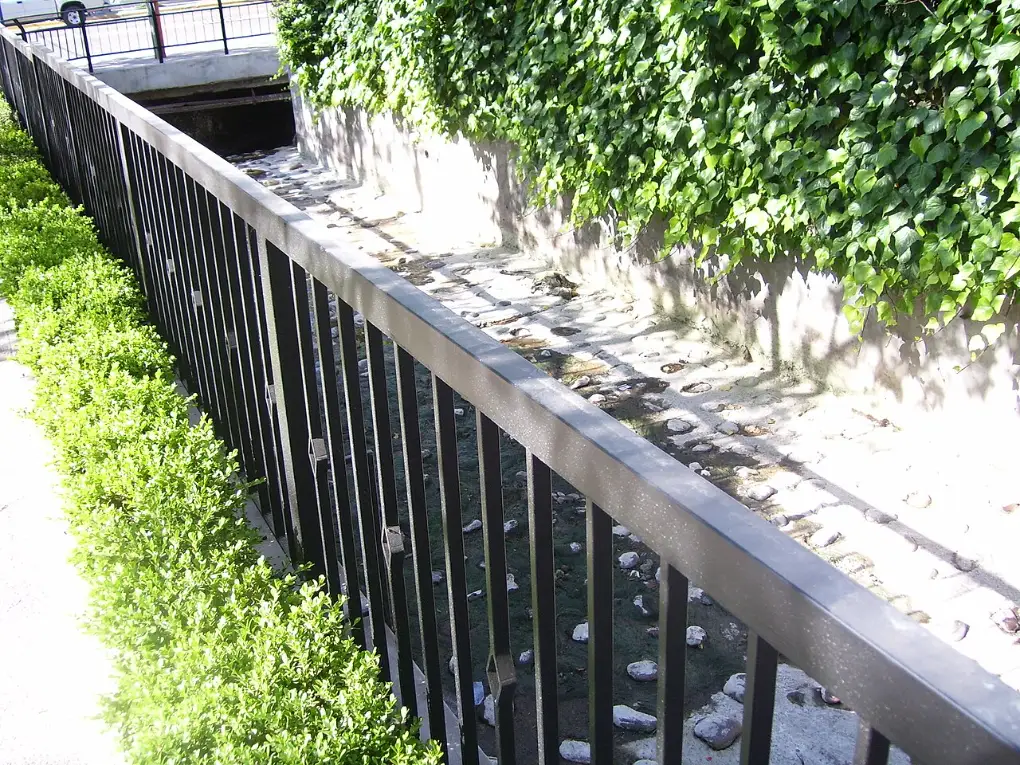
Their origin goes back to the Indigenous Huarpe people, who developed irrigation systems long before the Spanish arrived. Over time, this knowledge made it possible to use the meltwater from the Andes and turned a desert territory into a true oasis.
Today the acequias still play an essential role. They feed the huge number of street trees Mendoza is known for, help cool the streets in summer and are one of the province’s most important symbols.
Another detail that often surprises visitors is the small concrete or stone bridges that connect each house to the street. They were built to cross the acequias without interrupting the flow of water.
More than just irrigation ditches, the acequias reflect a way of understanding the relationship between water, the city and life in one of Argentina’s driest regions.
2. A city designed to live with earthquakes
Many tourists walk around Mendoza city without knowing that much of its urban design has a historical explanation. After the devastating earthquake of 1861, which almost completely destroyed the old city, Mendoza was rebuilt with the aim of reducing the risks of future quakes.
That’s why its avenues are unusually wide and its pavements spacious. The squares were also placed strategically to provide open evacuation areas in an emergency.
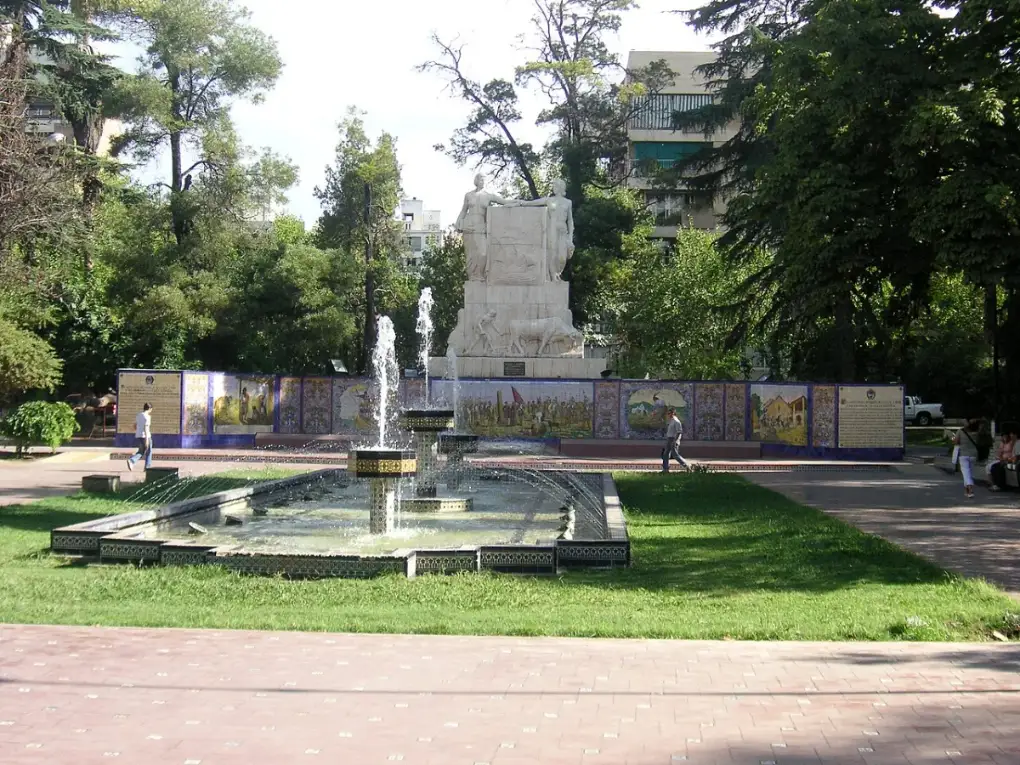
The city was planned around five main squares: a central square and four squares around it, a layout you can still see today and one of Mendoza’s most distinctive urban features.
This reconstruction model turned Mendoza into an example of urban planning adapted to an earthquake zone. Even today it’s something that makes Mendoza unique within the country.
3. An urban forest in the middle of the desert
People who have never been to Mendoza often imagine a completely dry landscape. But as they explore the city, they find long avenues covered by green tunnels of plane trees, poplars, mulberries and other species that give shade for much of the year.
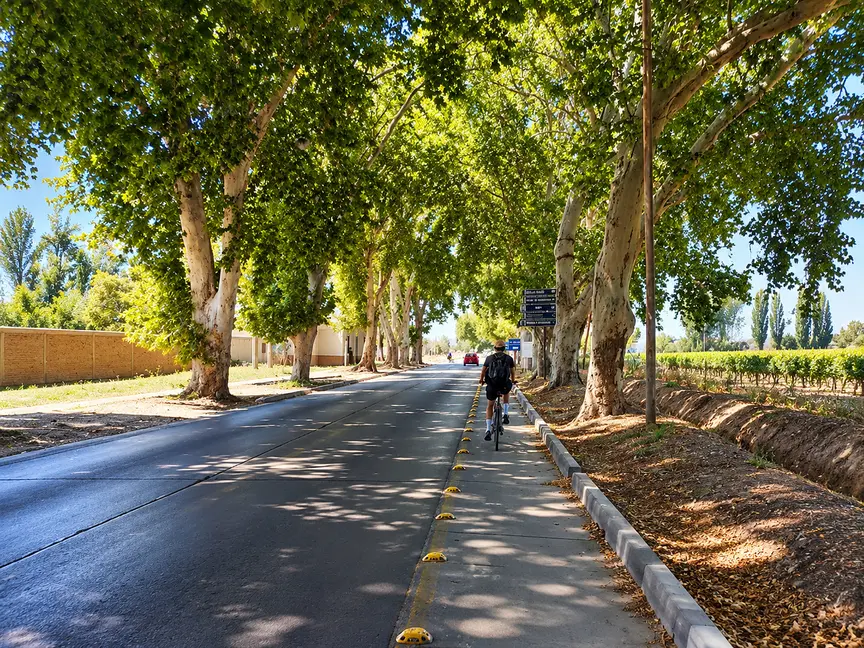
This huge urban forest wouldn’t exist without the acequias. Meltwater keeps hundreds of thousands of trees alive, lowering the temperature and improving air quality. That greenery also makes Mendoza unique and very pleasant for walking or cycling.
The combination of a desert climate, abundant trees and a sophisticated irrigation system makes Mendoza a practically unique case in Argentina.
4. Water: Mendoza’s most valuable resource
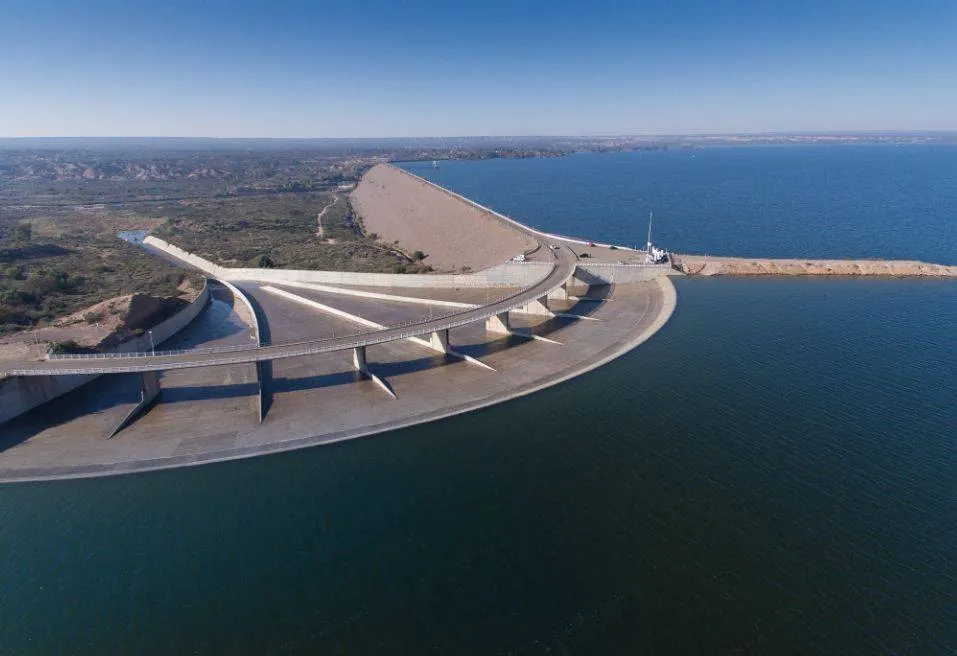
In Mendoza, water isn’t just another resource: it’s the reason the province exists as we know it. With very little rainfall during the year, almost all the water used for drinking, irrigation and production comes from Andean meltwater.
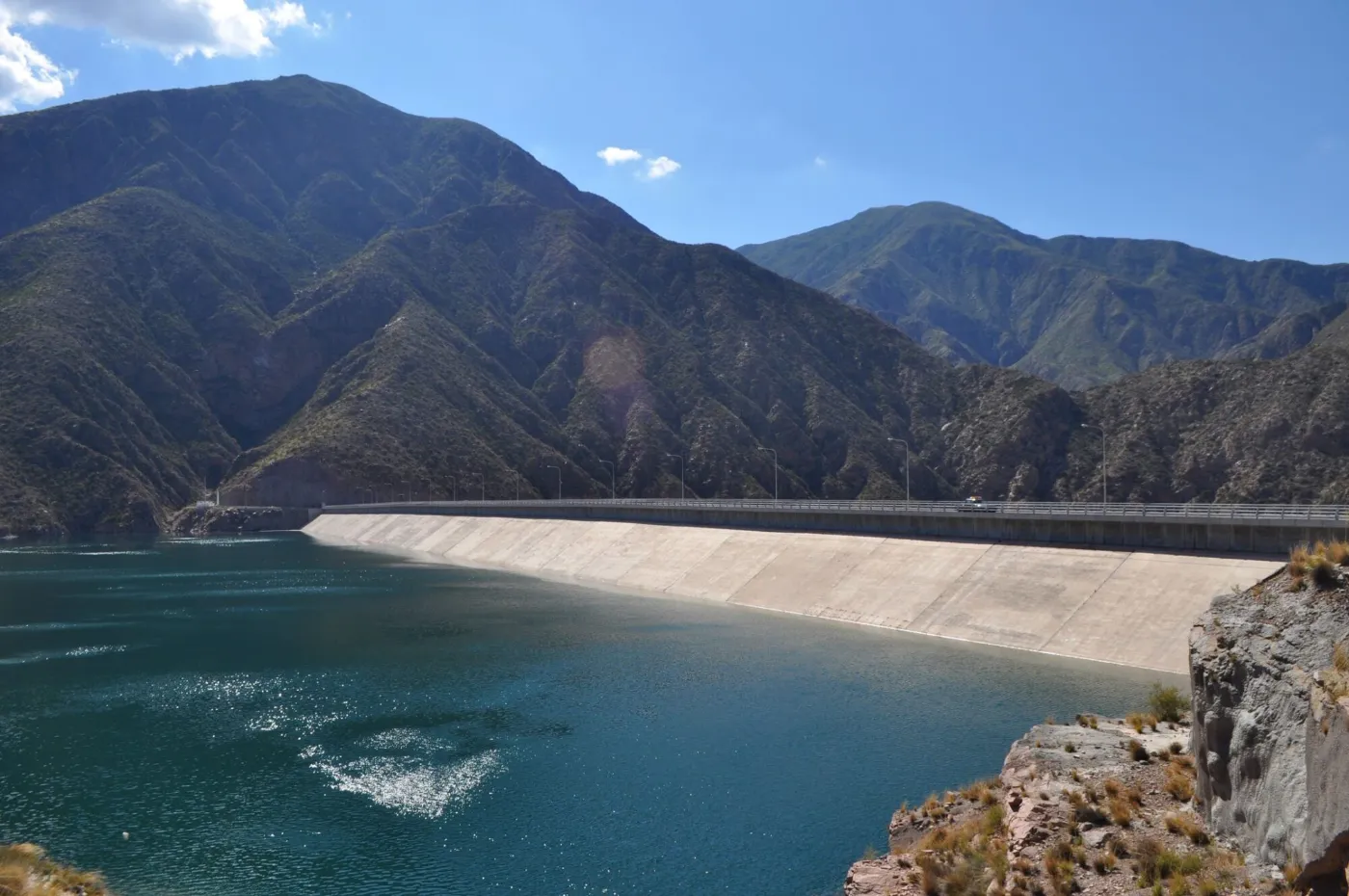
Mendoza’s rivers are born in the mountains and feed a complex network of dams, canals and acequias that carry water to towns, farms and vineyards. Thanks to this system, a naturally arid territory became one of the world’s leading wine regions.
How water is managed is another peculiarity of Mendoza. TheDepartamento General de Irrigación, created in the 19th century, regulates water distribution and oversees its responsible use. This water management is part of what makes Mendoza unique.
That’s why people in Mendoza often say water is worth more than gold. Without it there would be no acequias, no urban trees, no vineyards, no olive groves and no oasis to surprise millions of visitors today.
5. The Zonda wind: a phenomenon of the Andes
Another big player in Mendoza is the Zonda wind, a weather phenomenon typical of the Andean region that can change conditions within hours.
It forms when moist air masses from the Pacific Ocean rise over the Andes and drop their moisture as snow. They then descend on the Argentine side as a warm, very dry wind with strong gusts.

During a Zonda episode, the temperature can rise sharply, humidity drops to very low levels and the air often carries dust and dry leaves. Sometimes the authorities issue alerts because of fire risk or the strength of the gusts.
If you visit Mendoza and the forecast announces Zonda wind, it’s best to stay hydrated, avoid intense outdoor physical activity and follow the guidance of official agencies.
Although it surprises people from other regions, the Zonda is part of everyday life. It’s another trait that makes Mendoza unique.
6. High-altitude wine and the oasis that won over the world
Talking about Mendoza means talking about wine. The province has around 70% of the country’s vineyards, according to Argentina’s National Institute of Viticulture, and is internationally recognised for the quality of its high-altitude wines, especially Malbec.

Alluvial soils, scarce rainfall and the big temperature difference between day and night favour the vines. Add to that intense sunlight and pure meltwater.
But behind every glass there’s a much bigger story. Without the complex irrigation system developed over centuries, vineyards simply couldn’t exist in a naturally desert region.
That’s why Mendoza wine is much more than a drink: it’s the result of the relationship between the mountains, the water, human work and a unique natural setting that turned Mendoza into one of the world’s great wine capitals.
7. The Andes, always in view
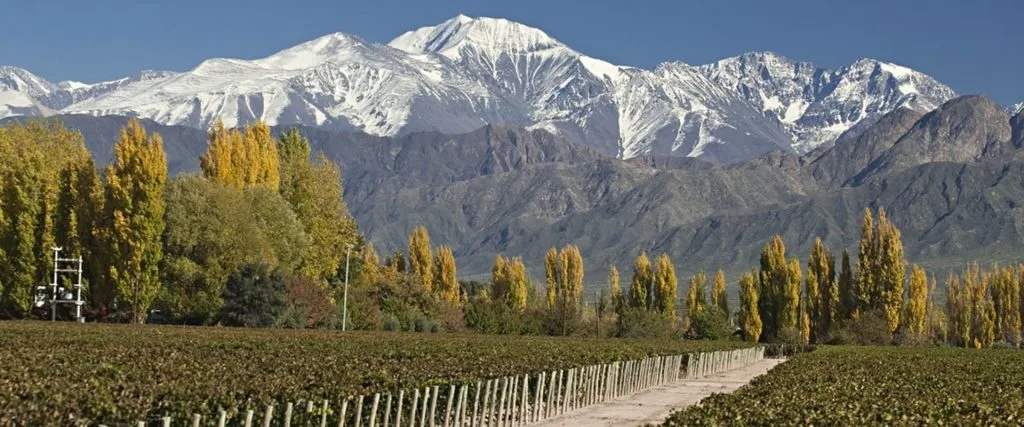
In few places in Argentina are the mountains such a part of the everyday landscape as in Mendoza. On clear days you can see the Andes from different parts of the city, parks, roads and even from wine areas such as Maipú and Luján de Cuyo.
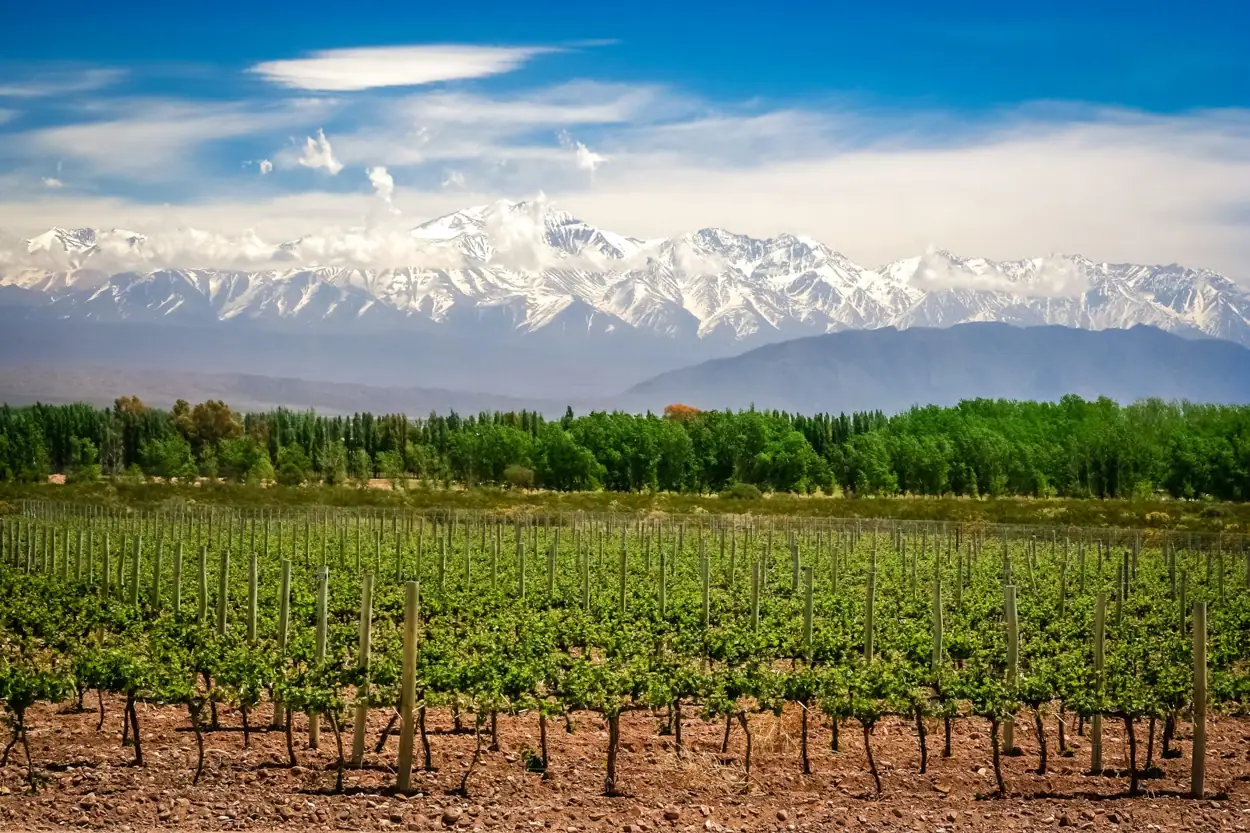
This constant presence is a reminder that the province’s whole life depends on the mountains. That’s where snow builds up in winter and where the rivers that supply towns, farms and vineyards are born.
Beyond the scenery, the Andes shape the climate, farming, adventure tourism and much of what makes Mendoza unique.
8. A giant park created in the middle of the desert
Parque General San Martín is one of Argentina’s most important urban green spaces and another example of how Mendoza transformed the desert by managing water.
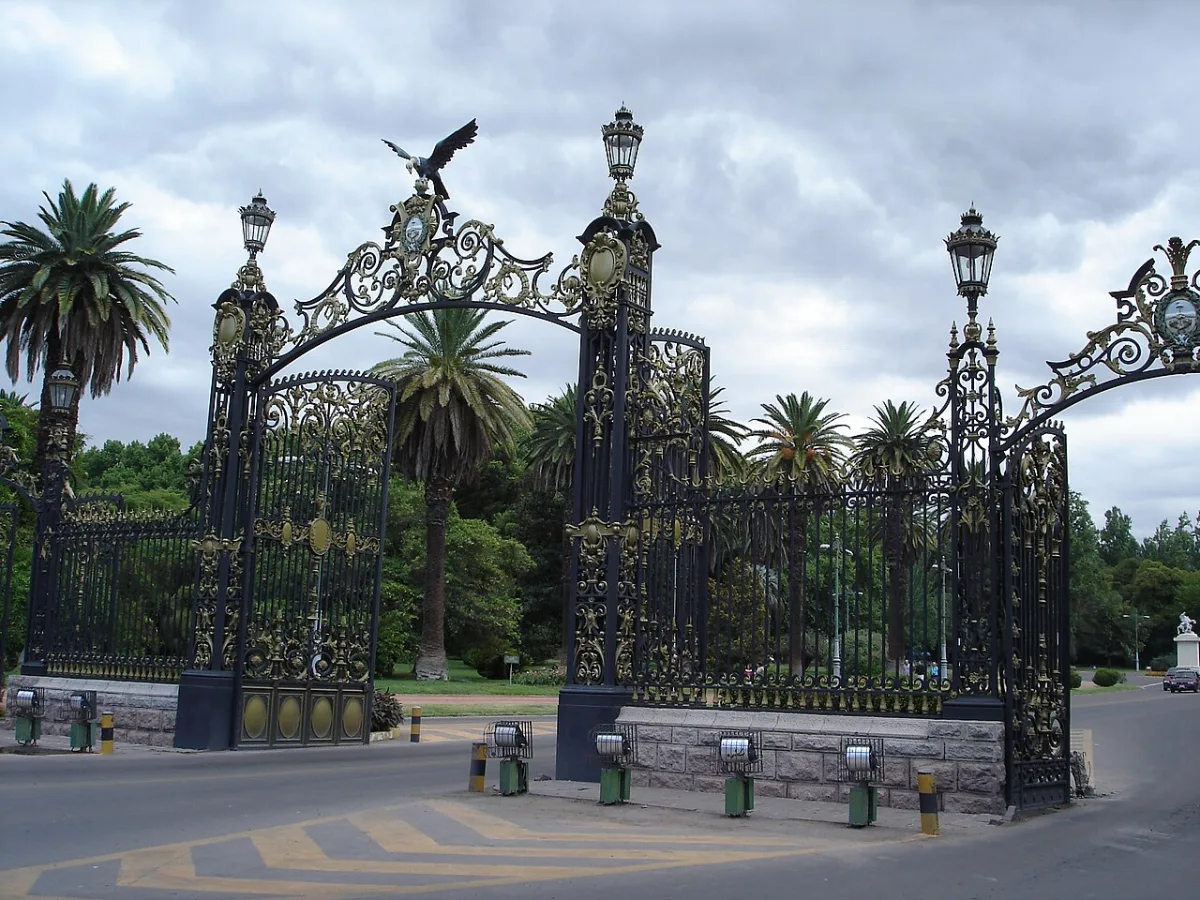
Covering some 400 hectares, the park has lakes, gardens, rose gardens, woods, historic monuments, trails and recreational areas that welcome locals and tourists all year round.
Its construction, which began in the late 19th century, required a huge amount of planting and irrigation work. Today it’s the city’s green lung and another symbol of what makes Mendoza unique.
9. Mendoza is also best discovered on two wheels
Another feature that surprises many travellers is how popular the bike is as a way to see some of Mendoza’s main attractions.
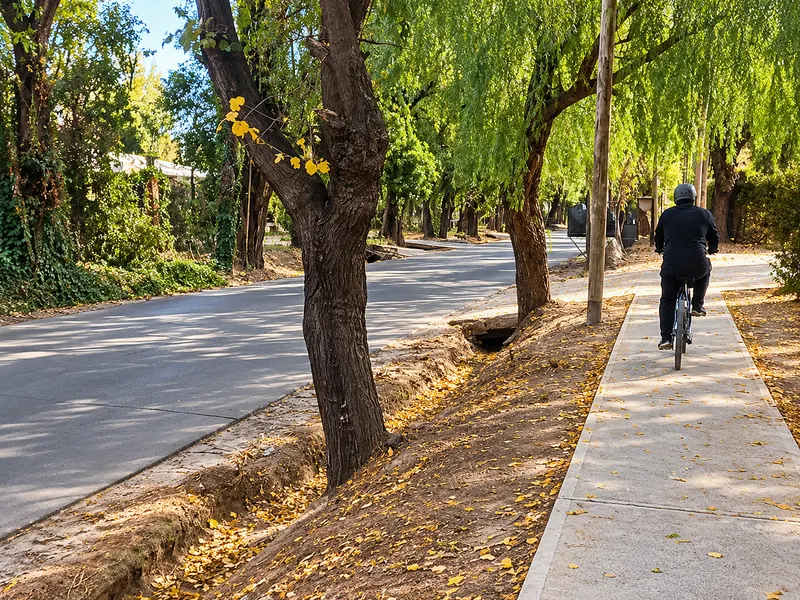
Especially on the Maipú Wine Route, thousands of visitors choose to cycle between wineries, olive groves and restaurants, enjoying the scenery at a relaxed pace and with total freedom to stop wherever they like.
The terrain is mostly flat and the trees give shade along much of the way, next to the traditional acequias. Just keep in mind it’s a residential area, with stretches of cycle lane and others of shared road, so it’s a good idea to wear a helmet and stay alert. That’s why the bike is one of the most authentic and sustainable ways to get to know this wine region.
10. What makes Mendoza unique: nature, history and culture every day
Mendoza is much more than a destination for wine tasting. It’s a province where the mountains feed the rivers, water brings the desert to life, the acequias keep the urban trees green and the effort of generations built one of the most important oases in South America.

Each of these elements explains why Mendoza has such a strong identity, so different from the rest of Argentina. Its history, its landscape and the way it makes the most of such a valuable resource as water are part of a culture that surprises first-time visitors.
Understanding these peculiarities helps you enjoy every outing, every glass of wine and every corner of the province even more.
| Curiosity | In a nutshell |
|---|---|
| Acequias | Channels next to the pavements that water the trees |
| Earthquakes | Wide streets and squares designed as safe spaces |
| Urban forest | Thousands of trees in a desert climate |
| Water | An oasis created by irrigation |
| Zonda | A warm, dry wind coming down from the Andes |
| Wine | Around 70% of the country’s vineyards |
| The Andes | The mountains, always on the horizon |
| Parque General San Martín | A huge park created in the middle of the desert |
Discover by bike what makes Mendoza unique
One of the best ways to experience many of the things that make Mendoza unique is to ride the Maipú Wine Route by bike. Along the way you’ll pedal past old acequias, ride down tree-lined streets, enjoy the landscape of the Mendoza oasis and, on clear days, take in the Andes while you visit wineries, olive groves and restaurants.
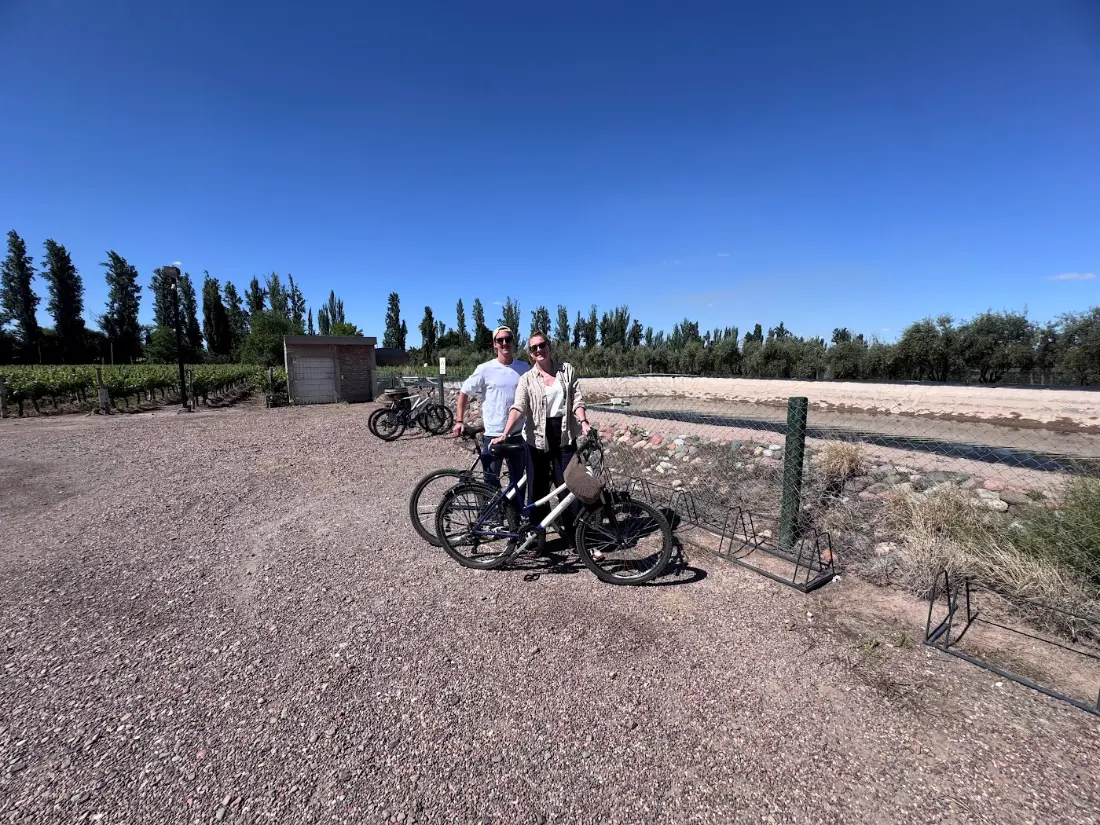
AtMaipu Bikes, bike rental in Maipú since 2009, we’ve already welcomed more than 81,000 travellers. We offer a self-guided experience so you can explore the region at your own pace, combining nature, history, food and some of Argentina’s best-known wines.
If you want to experience everything that makes Mendoza unique up close, riding through Maipú by bike is something you’re unlikely to forget.
The circuit runs through the town of Maipú and its wine area. It combines cycle lanes with streets shared with cars. Take extra care at junctions and winery entrances.
FAQ about what makes Mendoza unique
What makes Mendoza unique compared with other Argentine provinces?
The combination of acequias, oases created thanks to meltwater, the Andes, the Zonda wind, high-altitude wine and a city designed to live with earthquakes gives Mendoza features you won’t find together in any other province.
Why does Mendoza have so many acequias?
The acequias distribute Andean meltwater to keep the urban trees alive and supply the irrigation system. They date back to the Huarpe people and are still essential to life in the province.
What is the Zonda wind?
It’s a warm, dry and strong wind that comes down from the Andes. It can cause a sudden rise in temperature, low humidity and strong gusts, especially at certain times of year.
Why is Mendoza famous for its wines?
The climate, altitude, soils and meltwater create ideal conditions for growing vines. That’s why Mendoza produces most of Argentina’s wine and is internationally recognised for the quality of its Malbec.
What’s a good way to get to know the Mendoza landscape?
Riding the Maipú Wine Route by bike lets you enjoy the scenery, acequias, vineyards, olive groves and wineries at a relaxed pace, experiencing up close many of the things that make Mendoza unique.
Discover Mendoza on two wheels
Two ways to ride the Maipú Wine Route among acequias, vineyards and olive groves. Book online and pay at the shop.
Self-Guided Wine Bike Tour
Self-guided bike rental
Bike, helmet, map and mechanical assistance. You choose your stops within the Maipu Bikes circuit and, if any of them requires a booking, we send you the link. Tastings and meals are paid separately. When you get back, the Free Malbec Wine Happy Hour is waiting for you.
Maipu Wine Bike Experience
Itinerary with coordinated bookings
You follow an itinerary with set times and we coordinate the bookings: Trapiche, Entre Olivos, Viña El Cerno and a tasting-menu lunch at Mevi. Bike, helmet and assistance included. At the end, the Free Malbec Wine Happy Hour.







Deja una respuesta