


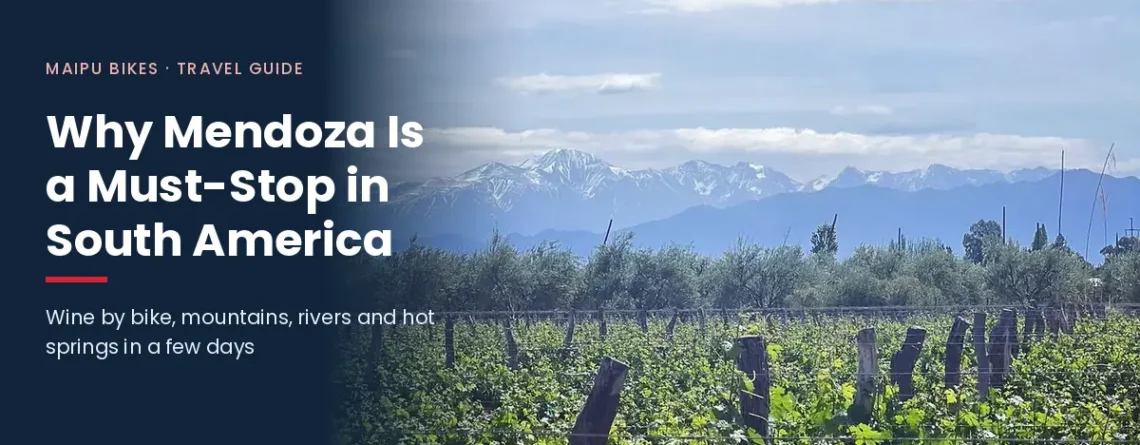
The Gringo Trail in South America: Why Mendoza Is a Must-Stop
The Gringo Trail in South America: Why Mendoza Is a Must-Stop
You’re in a hostel in Cusco, one of the classic stops on the Gringo Trail before heading south to Mendoza. While you make a coffee in the shared kitchen, you overhear two travellers talking. One of them asks:
«Are you going to Mendoza next?»
The other answers without hesitation:
«Yeah, of course. After Atacama.»
Nobody pulls out a map. Nobody asks why. Everyone knows exactly what they’re talking about. That route has a name that has been doing the rounds among backpackers from all over the world for decades:
The Gringo Trail.
Also known in Spanish as the Ruta Gringa, it isn’t signposted on any road and it doesn’t appear as an official circuit in travel guides.
Even so, it’s one of the best-known travel routes in South America.
Generation after generation, thousands of travellers have been swapping tips in hostels, on social media and during endless bus rides.
That’s how the route was polished, almost spontaneously.
And over the years, Mendoza went from being a simple stopover to one of the favourite stops on the trail.
What exactly is the Gringo Trail?
The Gringo Trail isn’t an organised tour.
It has no departure dates.
There’s no compulsory itinerary.
It’s simply the path that most backpackers travelling around South America end up following, based on what other travellers recommend.
Historically, the name came about because the route was very popular with travellers from Europe, the United States, Canada and Australia, but today people from pretty much everywhere choose it too.
What these travellers share isn’t their nationality.
It’s the way they travel.
- A backpack on your shoulders.
- Hostels as your main accommodation.
- A carefully watched budget.
- Long bus journeys.
- Experiences over luxury.
- Recommendations passed from backpacker to backpacker.
That constant exchange of tips is what, over the years, turned places like Mendoza into Gringo Trail classics.
The classic route
There’s no official route: every traveller puts together their own. But if you read backpacker blogs, the same stops keep coming up. Many start in Colombia or Ecuador; others fly straight into Lima and work their way south. To build this table, we went through routes published by travellers and backpacker sites such as Worldpackers, South America Backpacker and A Brother Abroad.
| Country | Typical stops | What hardly anyone skips |
|---|---|---|
| Colombia and Ecuador (if you start further north) | Bogotá, Medellín, Cartagena, Quito, Baños, Cuenca | The Lost City and Ecuador’s volcanoes |
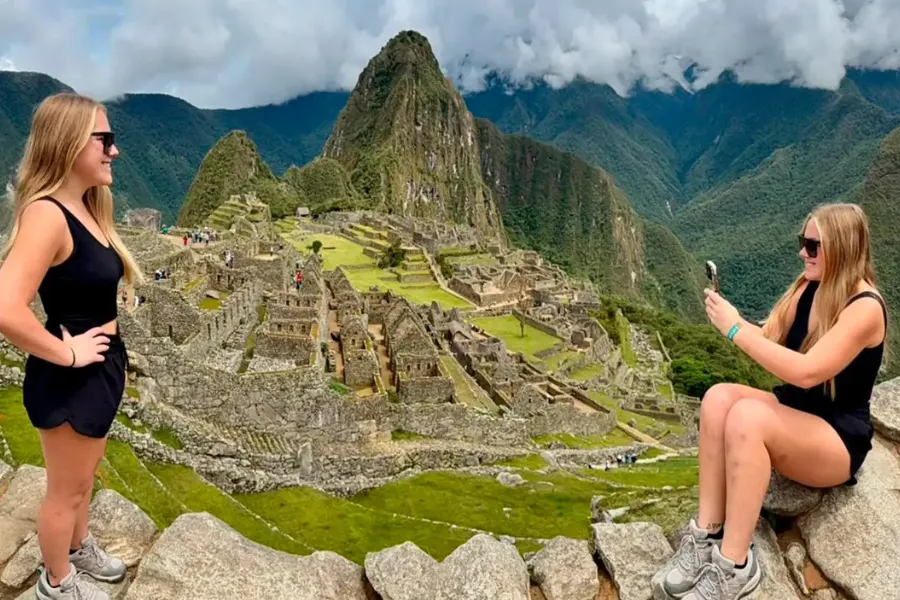
| Peru | Lima, Paracas and Huacachina, Arequipa and the Colca Canyon, Cusco and the Sacred Valley, Puno | Machu Picchu and Lake Titicaca |
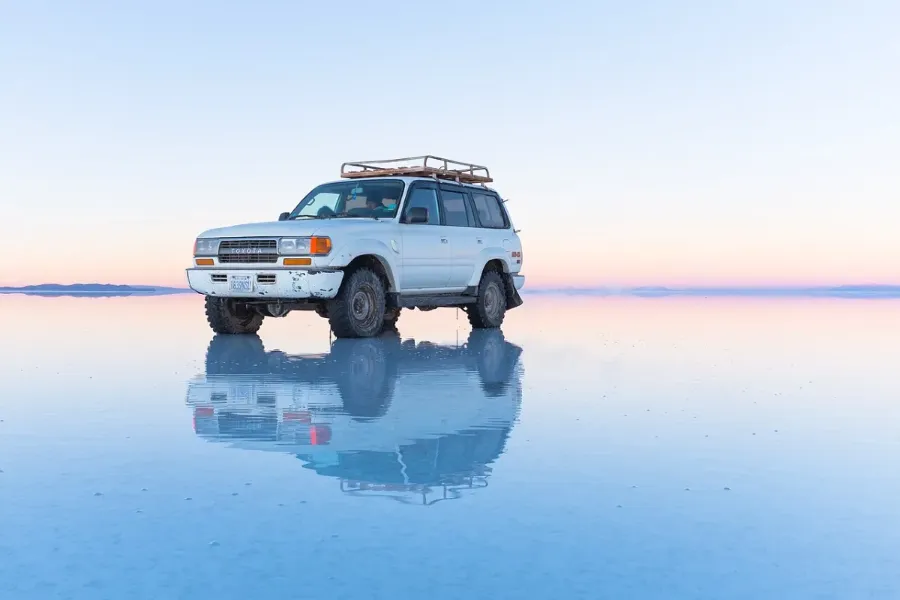
| Bolivia | Copacabana and Isla del Sol, La Paz, Sucre, Potosí, Uyuni | The Uyuni Salt Flats and the Death Road by bike |
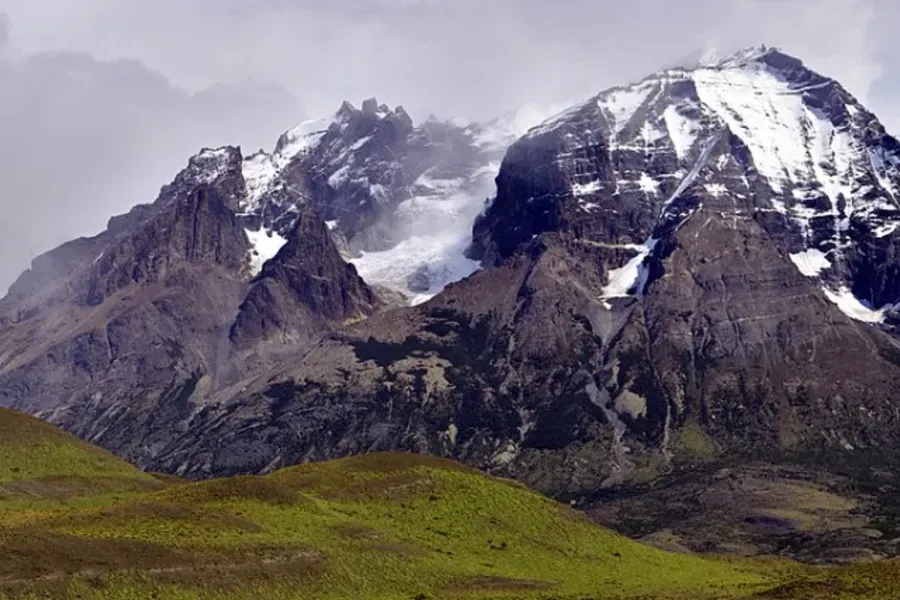
| Chile | San Pedro de Atacama, Valparaíso, Santiago, Pucón, Puerto Varas, Puerto Natales | The Atacama Desert and the W Trek in Torres del Paine |
| Argentina | Salta and Jujuy (Purmamarca, Humahuaca), Cafayate, Mendoza, Bariloche, El Chaltén, El Calafate, Ushuaia, Buenos Aires, Iguazú | The Perito Moreno Glacier, the trails around El Chaltén and Mendoza’s wineries by bike |
🗺️ From Chile and Bolivia to Mendoza
In Chile, besides Atacama, many add Valparaíso and Santiago before crossing over to Mendoza, or carry on south through Pucón and Puerto Varas to Patagonia, where the W Trek in Torres del Paine is one of the highlights of the trip.
On the Argentine side, the route usually comes in from the north, from Bolivia into Jujuy and Salta, or from San Pedro de Atacama. Others arrive from Santiago over the Cristo Redentor Pass, straight into Mendoza. From here, the trip continues to Patagonia (Bariloche, El Chaltén, El Calafate and Ushuaia) or towards Buenos Aires and Iguazú.
Some travellers add Brazil at the end of the route.
Others cross into Uruguay or carry on to southern Chile.
But the essence of the Gringo Trail stays the same, and Mendoza shows up in almost every itinerary.
🧭 How to get to Mendoza on your South America trip
In Peru, lots of backpackers get around with Peru Hop, a hop-on hop-off bus for travellers that links Lima, Paracas, Huacachina, Arequipa and Cusco. From Chile, many cross the Andes by bus from Santiago.
Others drive: they rent a campervan in Chile with Wicked South America, cross the Andes and add Mendoza on the Gringo Trail as a stop to cycle between wineries. Before you set off, check with the rental company that you have the permits to take the vehicle across the border.
Why did Mendoza go from a stopover to a must-stop?
A few years ago, many backpackers came to Mendoza simply because it was “on the way”.
They got off the bus.
They spent one night.
And they moved on to Patagonia or Buenos Aires.
Today, the place of Mendoza on the Gringo Trail is very different.
More and more travellers book two, three or even four nights to enjoy the city at a relaxed pace.
What changed?
It wasn’t just the growth of tourism.
It was the experience Mendoza started to offer.
After several days crossing the Altiplano, deserts and trekking trails, and clocking up hours on buses, you reach a place where the pace changes completely.
The weather draws you outdoors.
Food takes centre stage.
Wine stops being just a drink and becomes part of the local culture.
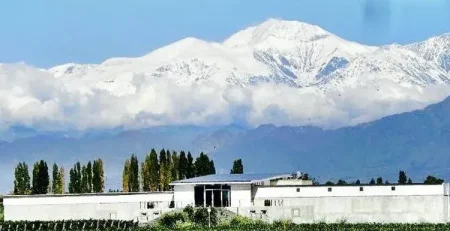
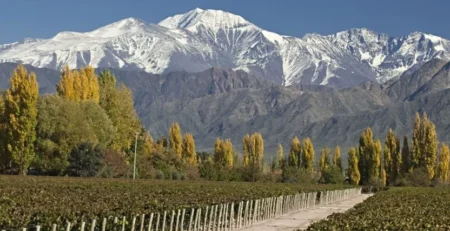
And the Andes are in the background practically all the time.
Mendoza is that moment of the trip when many backpackers feel, for the first time in weeks, that there’s no need to rush to the next destination.
What to do in Mendoza in three or four days
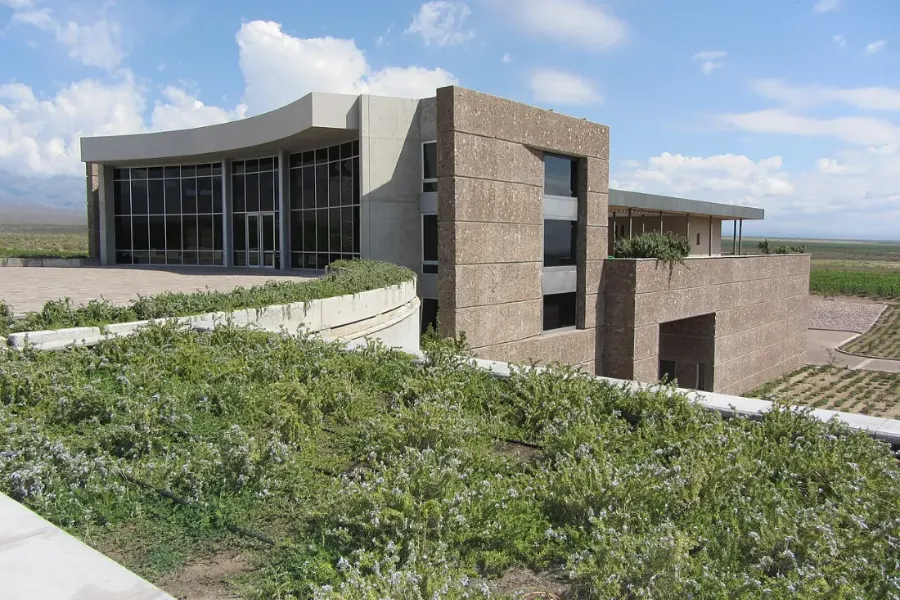
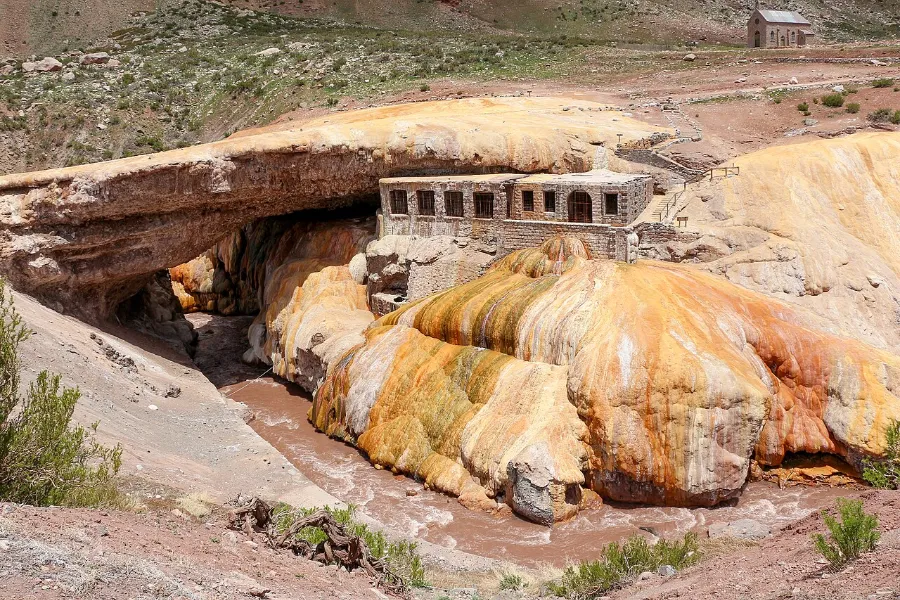
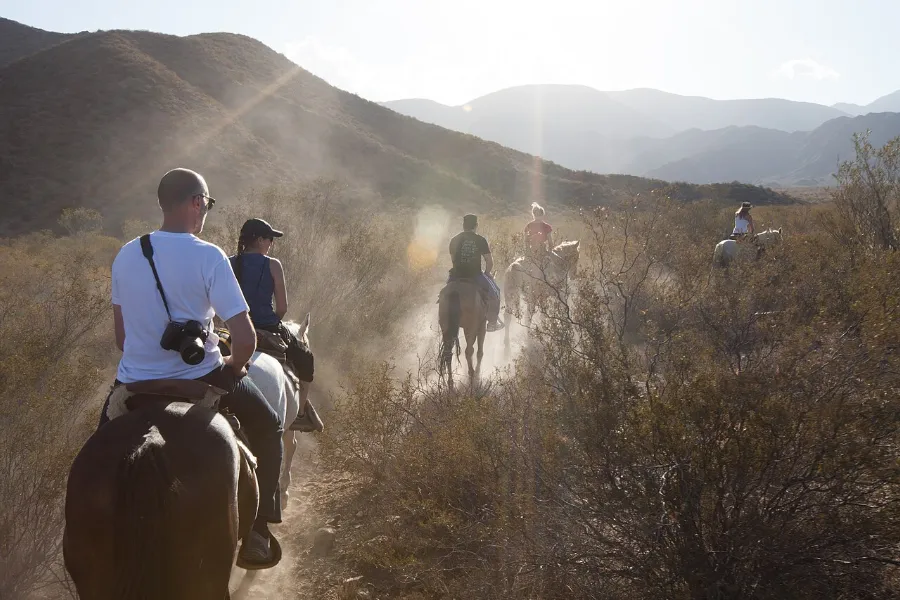
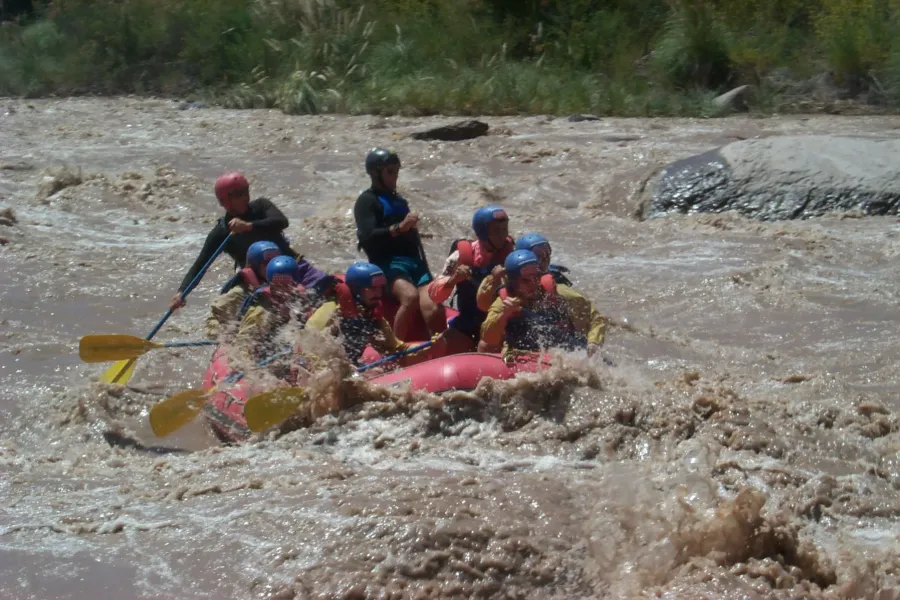
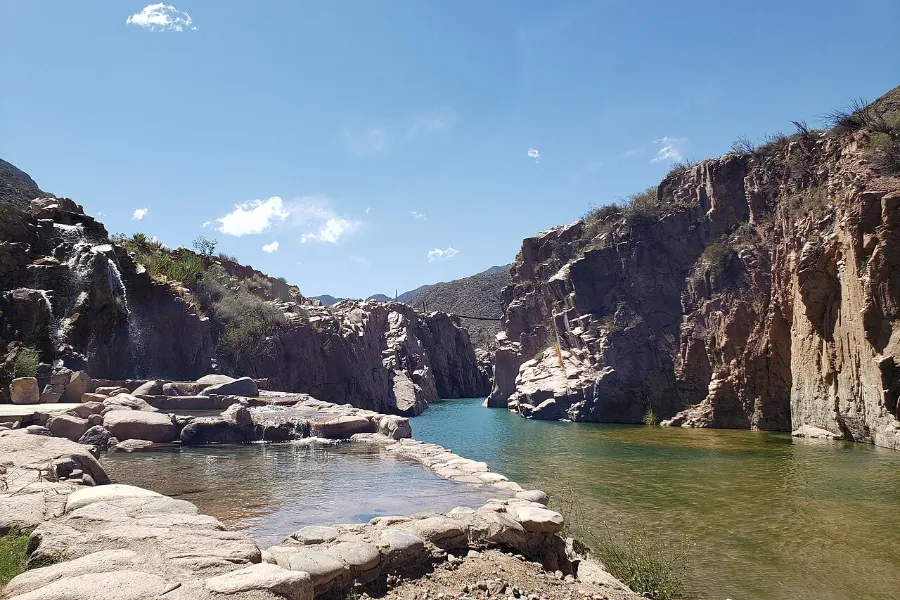
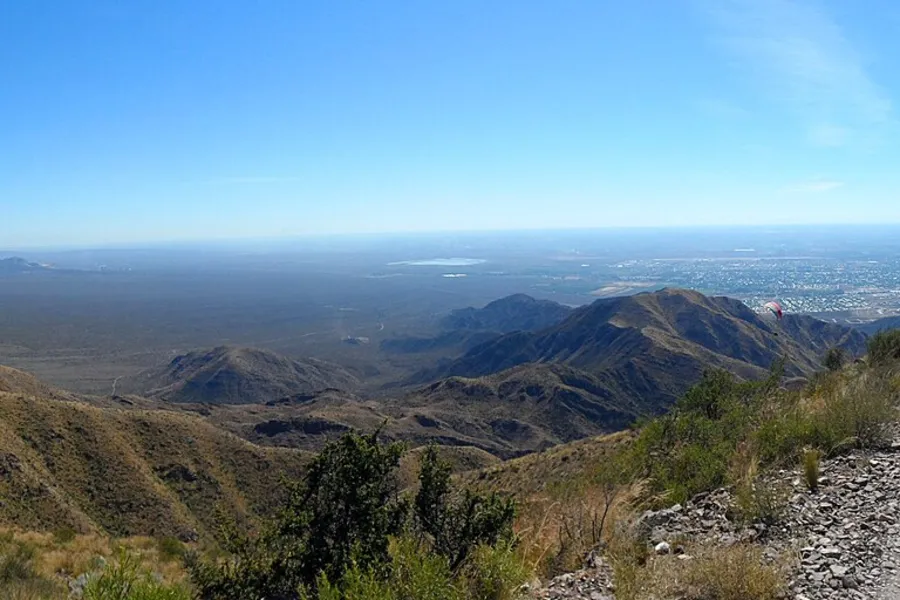
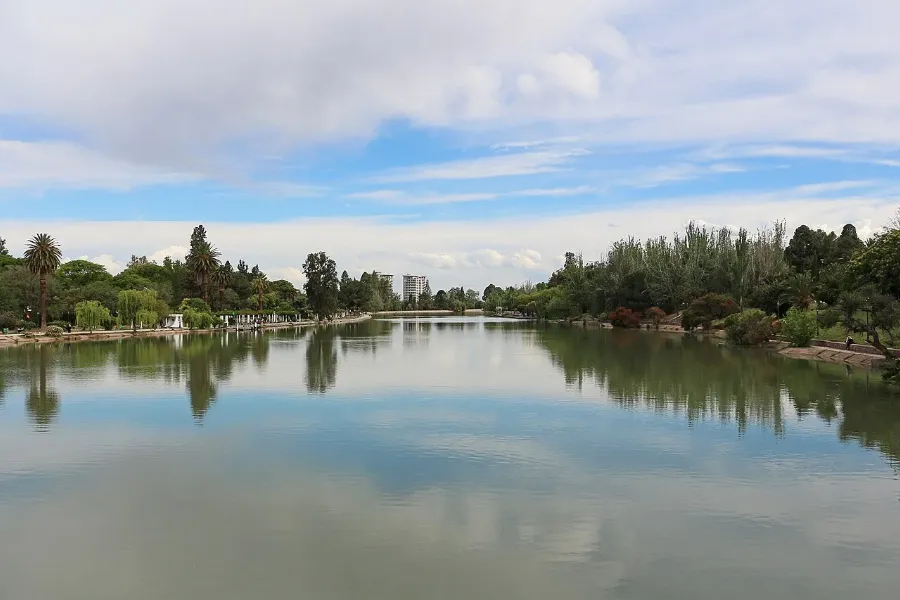
If Mendoza is a must-stop, it’s because of everything you can fit into a few days: wine, mountains, rivers and rest. These are the activities that come up most often on travel blogs such as Earth Trekkers, Nomadic Matt and Destinationless Travel.
When’s the best time to go? Have a look at our guide to the best time to visit Mendoza.
The experience that made Mendoza a “must-do”
There’s one thing that comes up again and again when travellers talk. They don’t just talk about the wineries.
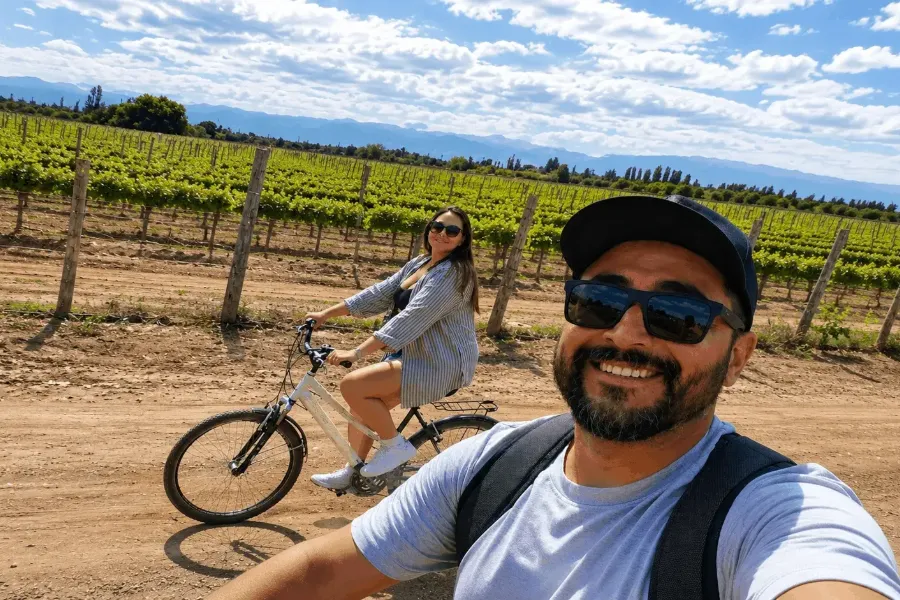
They talk about visiting them by bike.
And that difference changes the whole experience.
Instead of jumping on a tour with fixed times, many backpackers prefer to rent a bike and plan their own route.
Choosing where to stop.
How long to stay.
Where to have lunch.
Which wineries to visit.
And when to head back.
At Maipu Bikes, in Coquimbito, we’ve been welcoming travellers since 2009 (more than 81,000 so far), and every day we see how that experience gets passed on from one person to the next.
Often a traveller turns up because someone recommended us in a hostel in Cusco.
Or because another backpacker mentioned it on a bus ride between Bolivia and Chile.
That’s how the Gringo Trail works, and that’s how many travellers end up in Mendoza.
The best experiences are rarely found in a brochure.
They’re found thanks to other travellers.
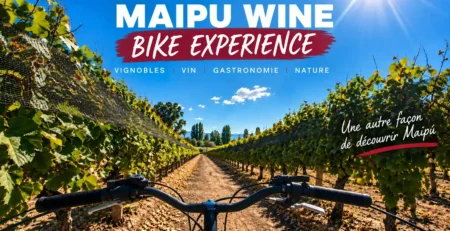
And cycling the Maipú Wine Route is now part of that list of tips that get passed from backpack to backpack.
What makes Mendoza different?
If you look at the whole route, almost all the big destinations on the Gringo Trail have something in common.
They’re all about adventure. Machu Picchu means walking for days. Uyuni amazes you with extreme landscapes. Atacama offers deserts, volcanoes and one-of-a-kind skies. Patagonia challenges you with mountains, glaciers and unforgettable trails. Mendoza, on the other hand, brings something different.
It invites you to enjoy yourself.
No need to get up at four in the morning.
There’s no physical challenge to overcome either.
And there’s no race against the clock.
You simply reach that moment of the trip when you discover that a glass of wine among the vines can also become one of the most memorable experiences in South America.
Maybe that’s why so many backpackers end up staying longer than they’d planned.
Because Mendoza shows that travelling is also about slowing down.
In short: Mendoza on the Gringo Trail
The Gringo Trail doesn’t appear on maps.
It has no official starting point and no fixed end.
It exists thanks to thousands of travellers who, generation after generation, have shared tips, stories and places that were really worth it.
Among all those destinations, Mendoza managed something very hard.
It stopped being just a logistical stop and became one of the places nobody wants to skip.
Not just because of its wineries.
Not just because of Malbec.
But because it offers a different way to experience the trip: with more time, more calm and experiences you enjoy at your own pace.
If you’re planning your route around South America, you’ll probably come across hundreds of lists of places to visit.
But if you also want to understand why thousands of backpackers talk about Mendoza when they recommend the Gringo Trail, the answer usually starts the same way:
«Save a day to visit the wineries by bike.»
Frequently asked questions about Mendoza on the Gringo Trail
What is the Gringo Trail?
The Gringo Trail, or Ruta Gringa in Spanish, is an informal itinerary followed by thousands of backpackers travelling around South America. It isn’t an official circuit, but a route that took shape thanks to recommendations between travellers.
Why is Mendoza part of the Gringo Trail?
Because it offers an experience that’s very different from the rest of the route. After destinations defined by adventure and trekking, Mendoza lets you slow down and enjoy wineries, food and Andean landscapes.
How many days should you spend in Mendoza?
Most backpackers spend two to four days to explore the Wine Route, get to know the city and take a nearby excursion.
What’s the most recommended activity for backpackers in Mendoza?
Cycling the Maipú Wine Route is one of the most recommended experiences. It lets you visit wineries at your own pace and enjoy the landscape in an authentic, affordable way.
Add Mendoza to your Gringo Trail
Choose the self-guided rental to discover Maipú at your own pace, or an itinerary with set times and coordinated bookings.
Self-Guided Wine Bike Tour
Self-guided rental
Bike, helmet, map and mechanical assistance. You choose your stops within the Maipu Bikes circuit and, if one needs a booking, we send you the link. Tastings and meals are paid separately. When you get back, the Free Malbec Wine Happy Hour is waiting for you.
Maipu Wine Bike Experience
Itinerary with coordinated bookings
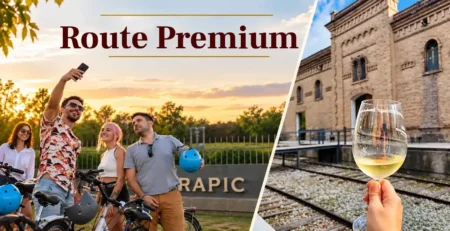
You follow an itinerary with set times and we coordinate the bookings: Trapiche, Entre Olivos, Viña El Cerno and a multi-course lunch at Mevi. Bike, helmet and assistance included. At the end, the Free Malbec Wine Happy Hour.


Deja una respuesta