


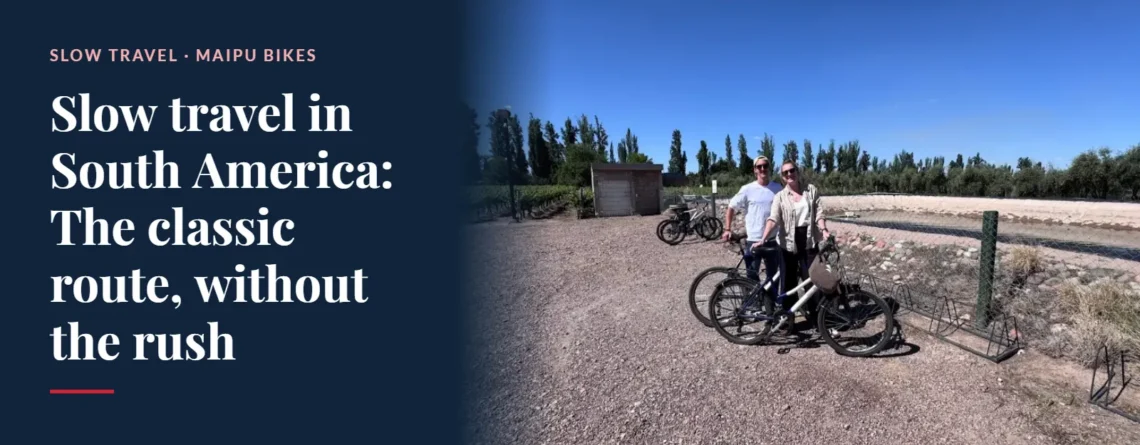
Slow travel in South America: The classic route, without the rush
Slow travel in South America: The classic route, without the rush
For years, backpackers had a sort of unwritten rule: the more places you could fit into less time, the better the trip. Slow travel in South America turns that idea on its head.
That mindset is changing.
More and more travellers are choosing a different way to explore South America. Instead of trying to see ten cities in a month, they visit fewer places, spend several days in each and take their time getting to know them.
This approach is known as slow travel, or viaje lento in Spanish. It’s a perfect fit for the classic South American backpacker route, often called the ruta gringa.
Because travelling slowly doesn’t mean seeing less.
It means giving each place more chances to surprise you.
The classic route vs. slow travel in South America
| Classic route | Slow travel |
|---|---|
| More destinations. | More time in each destination. |
| Lots of travel between stops. | Fewer hours on buses. |
| A packed itinerary. | More flexibility to change plans. |
| The priority is seeing as much as possible. | The priority is getting more out of the trip. |
| Every day counts. | Every experience counts. |
What does slow travel really mean?
Many people think slow travel simply means spending more days in one place.
It’s actually a completely different way to think about travel.
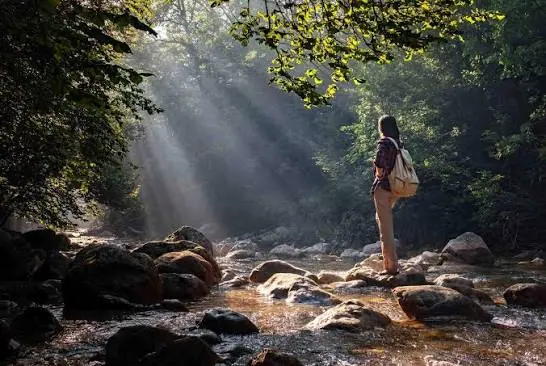
Instead of racing through a list of «must-sees», the aim is to get to know each destination better.
That means having time to find a tucked-away café, chat with locals, go back to a restaurant you liked or follow a tip from another traveller without worrying about missing your bus that night.
On a slow trip through South America, it also means leaving room for the unexpected.
Some of the best memories come about precisely when you loosen up your itinerary.
Who is slow travel in South America best suited to?
Travellers don’t all want the same things.
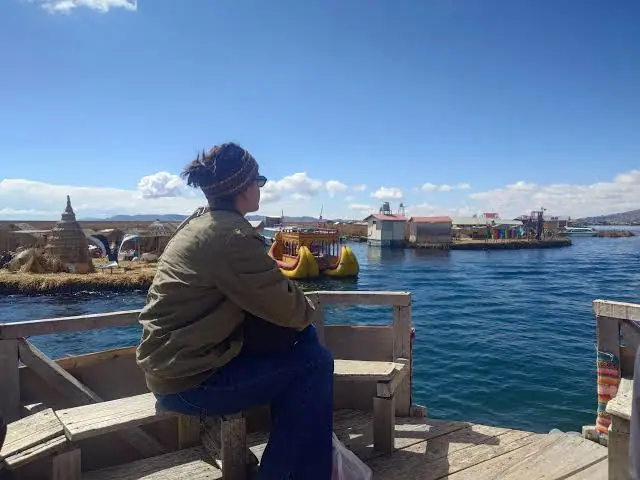
A slower trip often appeals to:
- People taking a gap year or sabbatical.
- Digital nomads who work as they travel.
- Couples who like to take their time in each destination.
- Travellers who’ve already done a whirlwind trip through South America and want to see it from a different perspective.
- Anyone who cares more about the experiences they have than the number of places they visit.
Interestingly, many backpackers discover this way of travelling after their first big trip. The second time around, they no longer feel the need to rush. They know that enjoying the trip more often beats seeing more.
How does Mendoza change when you take your time?
Mendoza is one of the best places to see the difference between the classic route and slow travel.
On a typical itinerary, most travellers arrive, rent a bike to explore the Wine Route, stay one more night and move on.
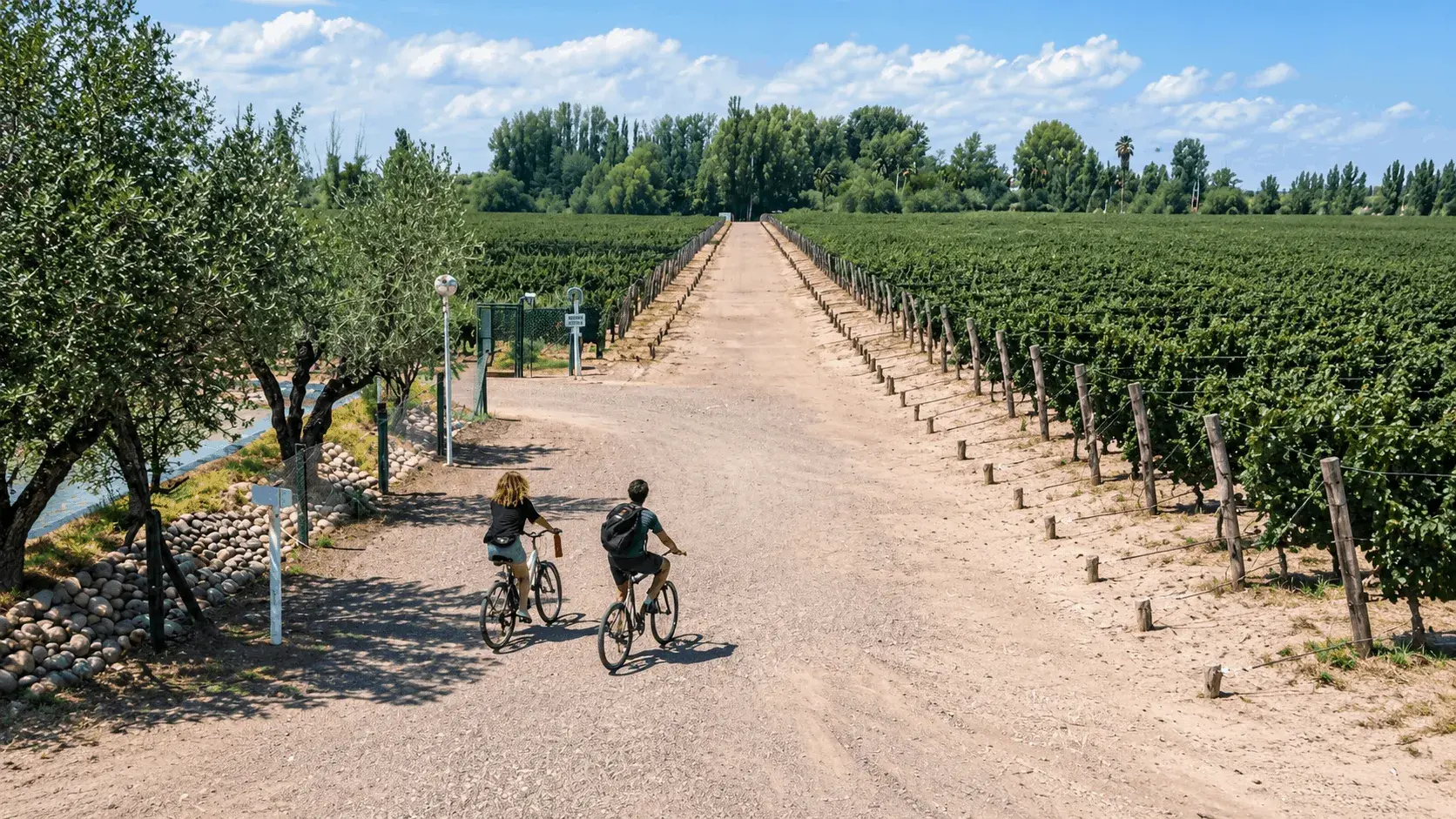
It works.
But when you have time to spare, the experience changes completely.
| Fast itinerary | Slow itinerary |
|---|---|
| Arrive in Mendoza. | Settle in and start to feel at home. |
| Spend a day visiting wineries. | Visit different wineries over several days. |
| Stay the night and move on. | Discover cafés, squares, markets and local life. |
| See Mendoza. | Experience Mendoza. |
It seems like a small difference.
In practice, it completely changes how you remember the trip.
When Mendoza goes from a stop to a base
One of the most interesting things about slow travel is how some destinations go from simple stopovers to places you genuinely want to stay.
That’s often how Mendoza makes you feel when you take your time travelling through South America.
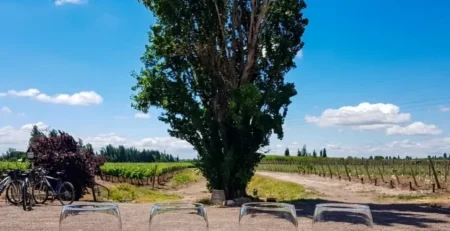
One day, you can cycle the Maipú Wine Route.
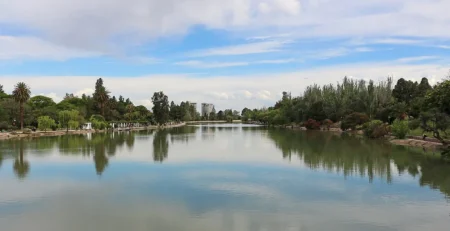
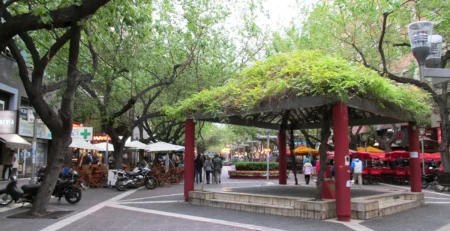
The next, you can explore the city centre, its squares and its cafés.
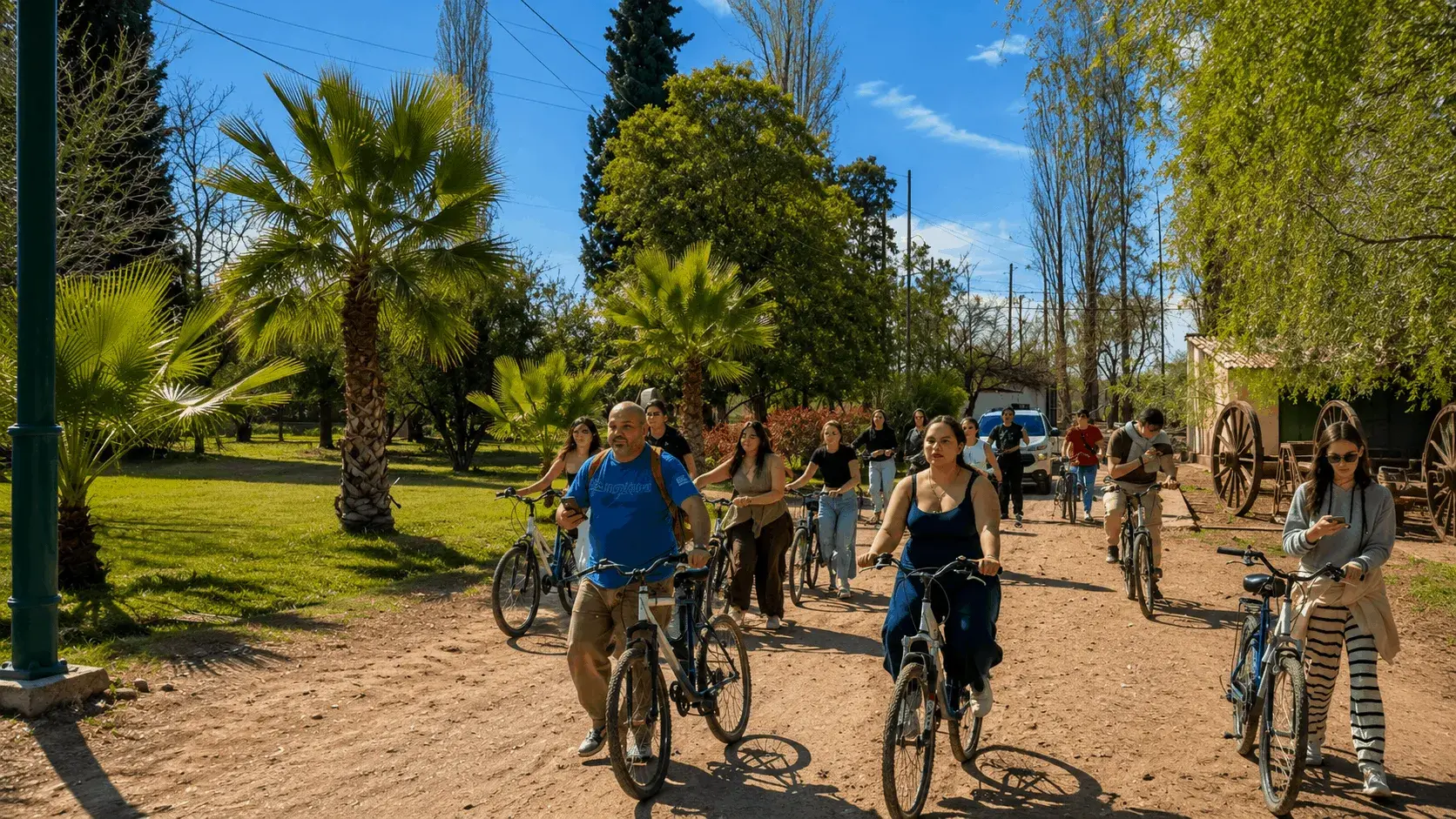
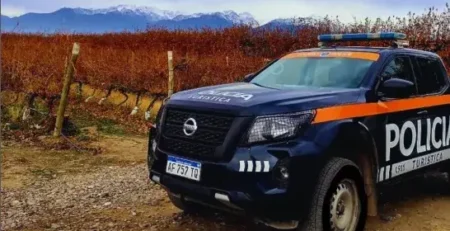
Then you might take a trip into the mountains or visit an olive grove.
And there’s still time to sit out on a terrace with a glass of wine without feeling like you’re «wasting the day».
At Maipu Bikes, we’re seeing more and more travellers arrive with that mindset. They rent a bike, explore the wineries in Coquimbito and decide to stay another night instead of leaving the next day.
Some even rent bikes again to explore another part of the route or revisit a favourite winery.
Since 2009, Maipu Bikes has welcomed more than 81,000 travellers. We’ve noticed that the ones who take their time are often the most likely to recommend Mendoza when they get home.
Why do so many backpackers end up staying longer? We explain it in why Mendoza is a must-stop on the Gringo Trail.
The benefits of slow travel in South America
Travelling slowly changes how you get to know a place and how you experience the whole trip.
- Lower transport costs. Travelling between places less often frees up a good chunk of your budget for more experiences at each stop.
- Less fatigue. Spending several nights in the same place gives you time to recharge and a break from feeling like you’re always carrying your backpack.
- More meaningful connections. Staying a few days at a hostel makes it easier to meet other travellers and do things together that would be hard to fit into a single night.
- Room to be spontaneous. If you find somewhere you love, you can simply stay another day. That’s often where the best stories of the trip begin.
You don’t have to choose between a fast trip and a slow one
The good news is you can mix travel styles.
Many backpackers combine both approaches as they travel through South America.
For instance, they move faster through places they already know or where they’re stopping for one particular activity, then pick two or three places to slow down.
On a slower trip, Mendoza is often one of those places.
It offers exactly what many travellers start to appreciate after several weeks on the road: time to enjoy themselves without feeling like they’re always just arriving or saying goodbye.
You don’t have to travel slowly the whole time.
It’s about knowing where it’s worth slowing down.
Three ways to slow down in South America
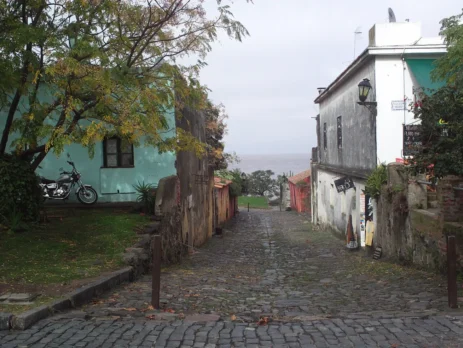
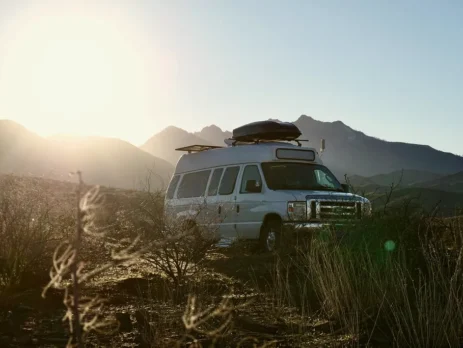
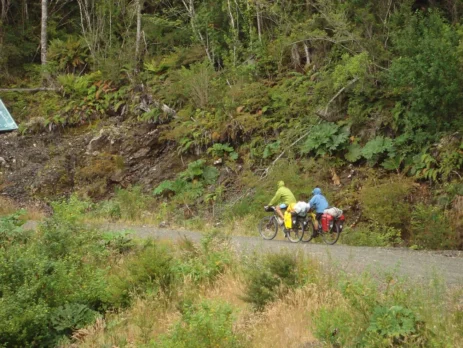
If you really want to slow down, these three activities give you good reasons to stay in one place longer:
In short
Slow travel in South America isn’t about seeing fewer places.
It’s about giving each destination more chances to surprise you.
Many people finish their trip without regretting that they left a city off their itinerary.
What they do remember is the place where they wish they’d stayed one more day.
For a lot of travellers, that place turns out to be Mendoza.
The wineries and scenery are part of it, and so is the way Mendoza invites you to change pace. Have breakfast without watching the clock, cycle through vineyards, linger over lunch and discover that sometimes the best experiences happen just when you stop rushing.
Frequently asked questions
What does it mean to travel slowly in South America?
It means putting the quality of the experience ahead of the number of destinations you visit. Instead of moving to a new city every day, you spend more time getting to know each place.
Can travelling slowly save you money?
In many cases, yes. Taking fewer long-distance trips usually cuts your transport costs, leaving you more to spend on activities or food.
How many days should you spend in Mendoza if you’re taking your time?
Three to five days give you time to explore the Wine Route, get to know the city, enjoy the local food and take a trip into the mountains without rushing.
Is the Maipú Wine Route a good fit for slow travel?
Absolutely. Cycling between wineries, choosing where to stop and setting your own pace fit perfectly with the idea of slow travel.
Slow down on the Maipú Wine Route
Two self-guided experiences for exploring the wineries at your own pace. Book online and pay at the shop.
Self-Guided Wine Bike Tour
Self-guided bike rental
Bike, helmet, map and mechanical support. Choose your stops along the Maipu Bikes route. If any require a booking, we’ll send you the link. Tastings and meals cost extra. The Free Malbec Wine Happy Hour is waiting for you when you get back.
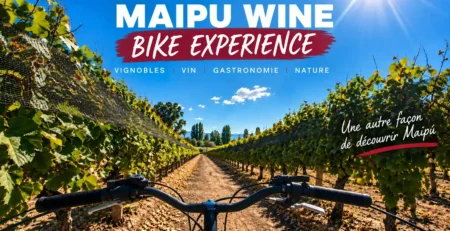
Maipu Wine Bike Experience
Itinerary with bookings arranged for you
You follow a timed itinerary and we arrange the bookings: Trapiche, Entre Olivos, Viña El Cerno and a multi-course lunch at Mevi. Bike, helmet and support are included. Finish with the Free Malbec Wine Happy Hour.


Deja una respuesta