


Sustainable tourism: why cycling is the greenest way to visit Maipú’s wineries
Sustainable tourism: why cycling is the greenest way to visit Maipú’s wineries
More and more travelers are looking for experiences that let them enjoy a destination while reducing their environmental impact. In Mendoza, riding the Maipú Wine Route by bike is one of the most sustainable ways to visit the wineries: fewer emissions, closer contact with the landscape and the freedom to go at your own pace. That, in a nutshell, is sustainable tourism in Maipú.
Besides being a different kind of experience, the bike is a perfect fit for the route itself. Wineries, olive oil tasting spots and restaurants are at ideal distances for cycling, so the ride between them becomes part of the experience.
If you want to practice sustainable tourism in Maipú and discover Mendoza in an authentic way, choosing a bike is much more than picking a means of transport: it’s a different way to travel.
Fewer emissions, the same experience
Touring Maipú’s wineries by car means lots of short trips from one stop to the next. A bike, on the other hand, produces no direct emissions along the way, which considerably reduces the environmental impact of your day out.
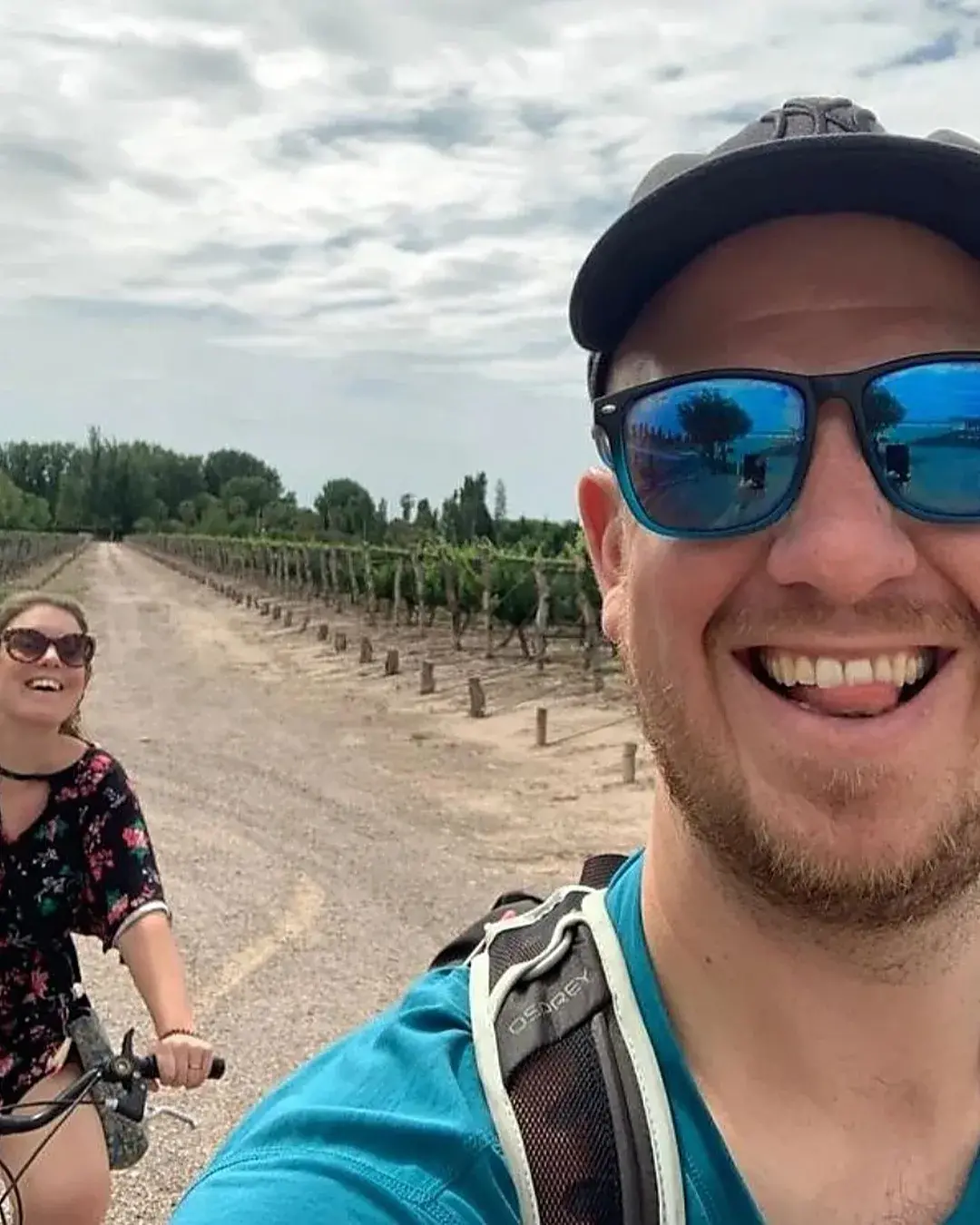
The best part is that you hardly give anything up. You can visit the same wineries, enjoy tastings, have lunch among the vines and ride the same roads, just in a much more environmentally friendly way.
That’s why more and more visitors choose the bike as an option in line with responsible, low-impact sustainable tourism in Maipú.
| By bike | By car | |
|---|---|---|
| Emissions along the route | None | Several short trips with the engine running |
| Noise | Quiet | Engine and traffic |
| Tastings | Nobody has to skip a glass to drive | Someone has to drive without drinking |
| Pace | Slow: you see the landscape between stops | Fast: from one winery to the next |
A route made for cycling
The Maipú Wine Route is one of the most accessible wine regions in Mendoza to explore on two wheels.
Many wineries, restaurants and olive oil tasting venues are fairly close to each other, so you can enjoy several experiences in a single day without needing a motor vehicle.
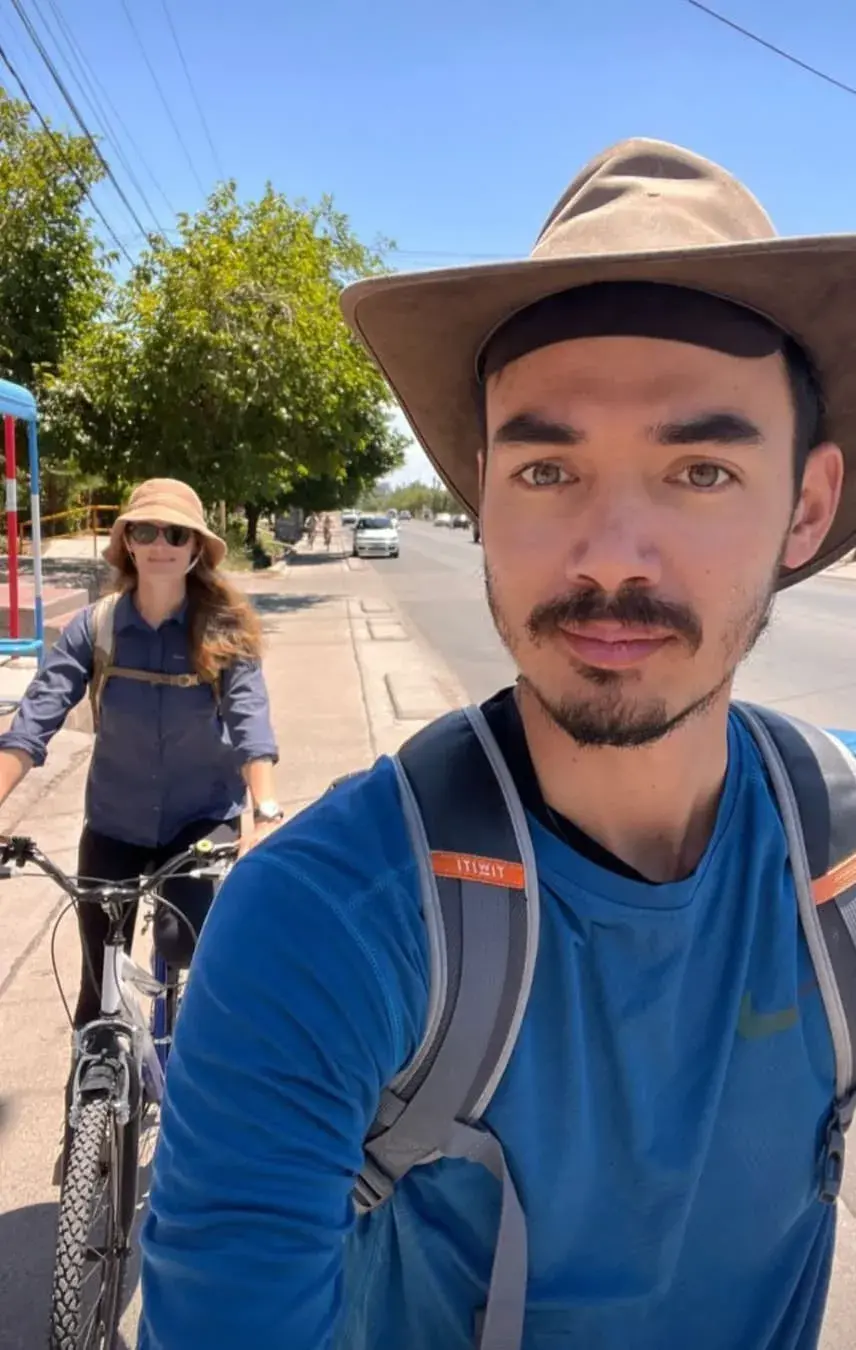
On top of that, much of the route has a bike lane, which makes sustainable tourism in Maipú easier and the ride more comfortable for visitors.
That said, it’s not all bike lane: some stretches are shared with cars, buses and trucks, so it’s a good idea to wear a helmet, ride in single file and stay alert. Since the terrain is almost completely flat, you don’t need to be an experienced cyclist. Anyone used to riding a bike can enjoy the trip at a relaxed pace.
A more authentic connection with Mendoza
Traveling by bike completely changes the way you get to know a place.
Instead of rushing from one winery to the next, you can stop whenever you like to take photos, look at the vineyards, listen to your surroundings, chat with the producers or simply enjoy the landscape of Maipú, a town with its own wine region.
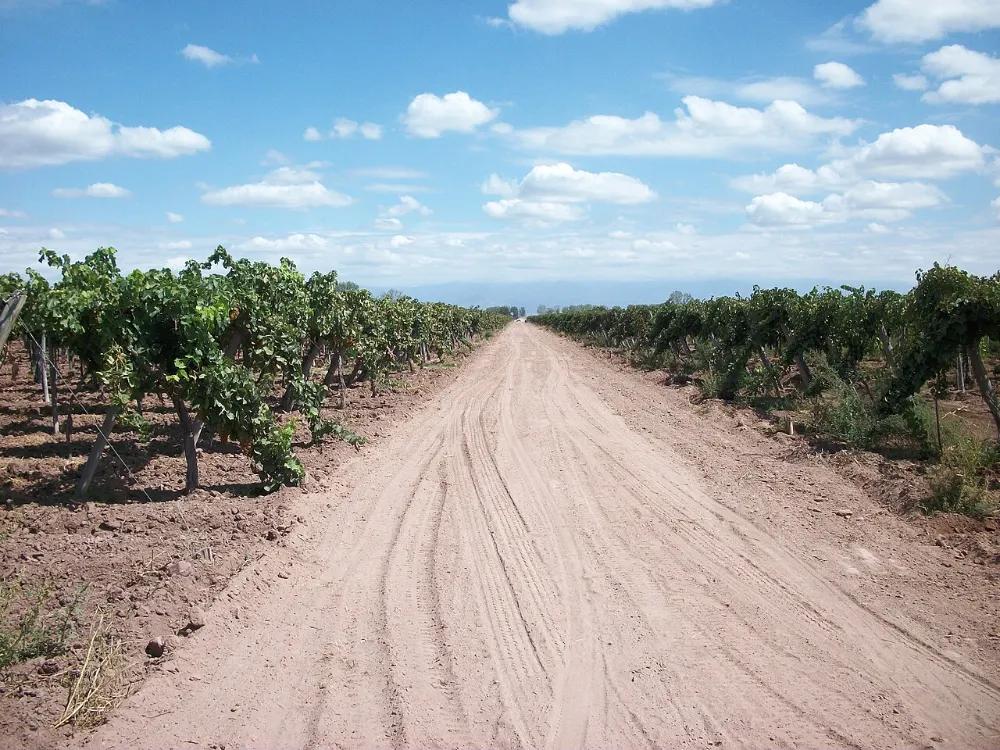
These are small moments that often go unnoticed when the whole trip is spent inside a vehicle.
Being that close to the landscape is also sustainable tourism in Maipú: it’s why many travelers remember the ride between wineries as much as the tastings.
Sustainable tourism in Maipú: less impact on the environment
Choosing the bike also helps reduce other impacts that come with motorized tourism.
- It cuts down on noise pollution.
- It reduces fuel consumption.
- It lowers the need for parking space.
- It helps ease congestion on the streets of the tourist route.
- It makes for an experience that’s more connected with life in Maipú, its neighborhoods, farms and wineries.
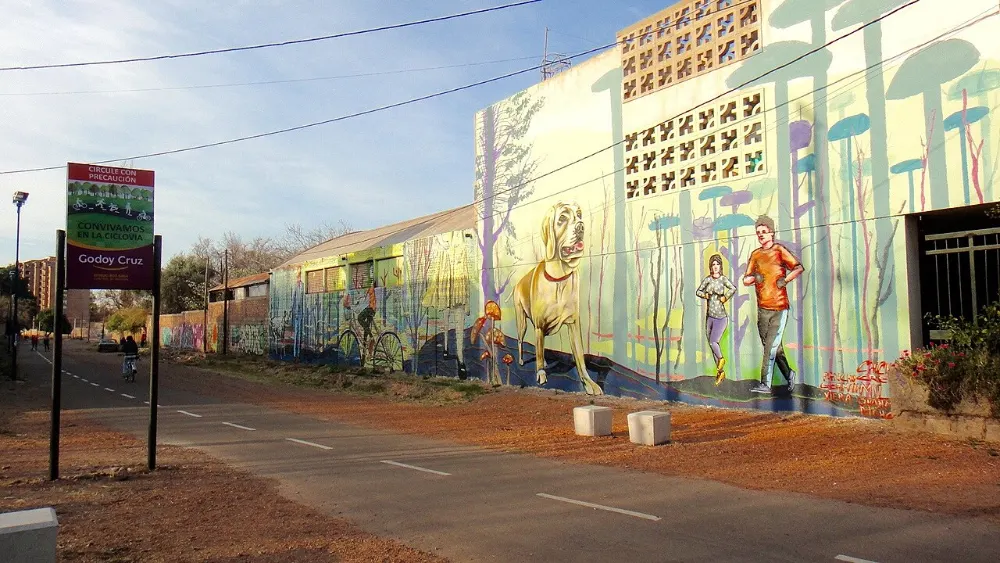
A single ride may seem like a small change, but thousands of travelers choosing more responsible ways to get around help sustainable tourism in Maipú keep growing.
In Maipú, sustainable tourism is also about well-being
Sustainability isn’t only about caring for the environment. It also means enjoying a healthier way of traveling that’s more connected with the destination.
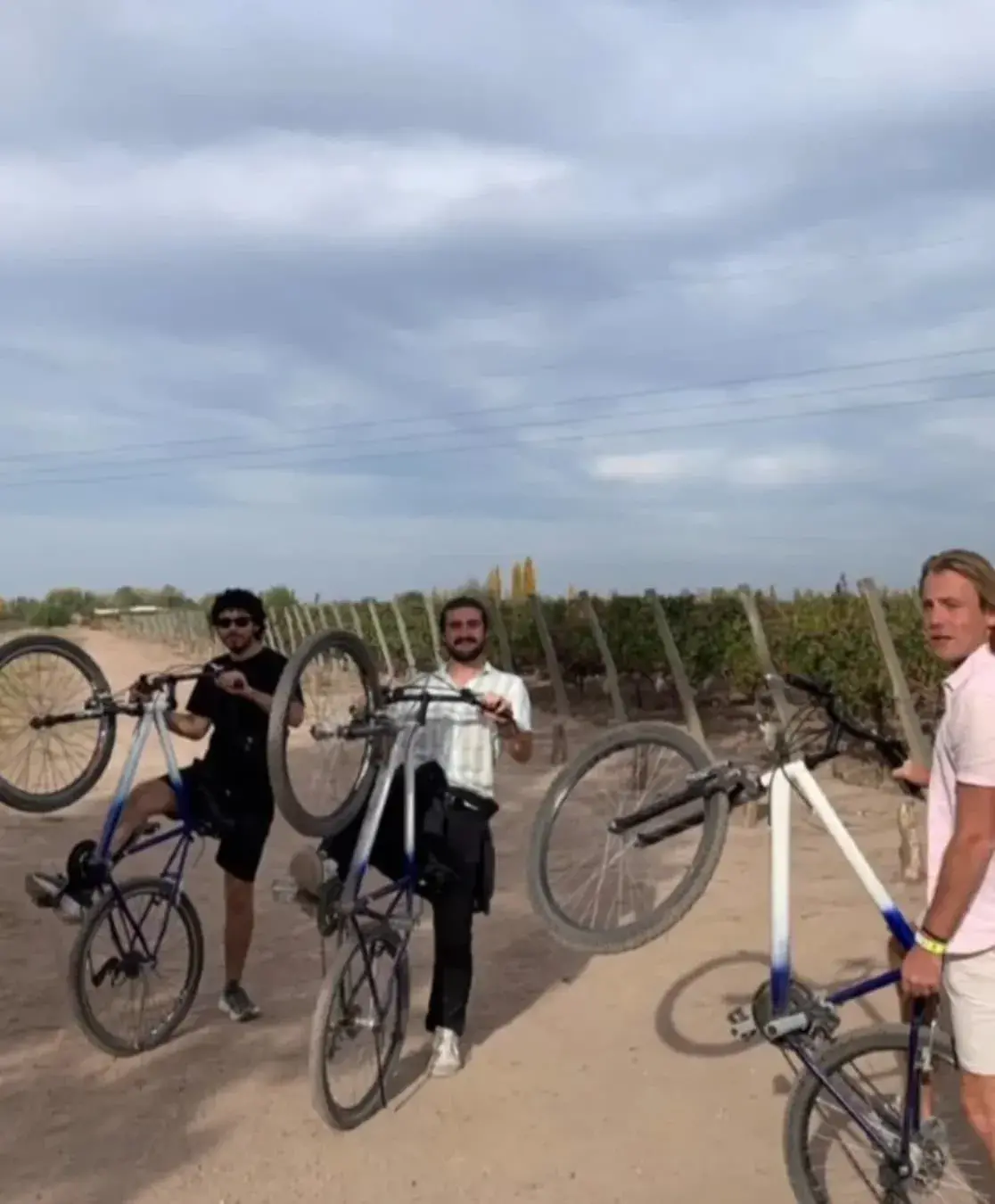
Riding between 12 and 16 kilometers over the day is moderate physical activity for most people, ideal to combine with tastings, good food and time to rest.
Many visitors agree that the bike ride ends up being one of the best memories of their trip to Mendoza, because it combines nature, movement and the freedom to discover each place without a rigid schedule.
The route runs through the town of Maipú and its wine region. It combines bike lanes with streets where cars also drive. Pay extra attention at crossings and winery entrances.
Why do we at Maipu Bikes still choose conventional bikes?
It’s a question we get a lot. Today there are e-bikes, which are also a far more sustainable option than a car, but at Maipu Bikes we keep betting on conventional bikes because they’re the option with the lowest environmental impact.
A traditional bike needs no batteries, uses no electricity to run and takes fewer resources to build and maintain. E-bikes, by contrast, include lithium batteries and electronic parts that increase their environmental footprint, although they’re still an excellent alternative to motor vehicles.
What’s more, the Maipú Wine Route is ideal for riding on conventional bikes. The route is mostly flat, many wineries are a short distance apart and much of the way has a bike lane, so you don’t need electric assistance to enjoy the experience.
Our choice comes down to a simple philosophy: offering an authentic, accessible experience in line with sustainable tourism in Maipú, where the ride is as much a part of the trip as the tastings and the scenery.
The carbon footprint measures the greenhouse gases each means of transport produces.
An e-bike emits about 2.4 times more than a traditional bike, mainly because of the battery and the electricity used to charge it. Both emit far less than a car.
Source: Kolin Schunck, TNMT / Lufthansa Innovation Hub, 2021. The comparison includes manufacturing, maintenance and use. The actual footprint varies with the model, its lifespan and, for e-bikes, the battery and the electricity used for charging. Electric assistance can make the ride easier for those who need it.
Choose a different way to discover the Wine Route
If you’re planning to visit Mendoza, riding the Maipú Wine Route by bike is a way to combine sustainable tourism, freedom and a much closer connection with the vineyards.
With Maipu Bikes, which has been welcoming travelers since 2009 (more than 81,000 so far), you can do a self-guided ride at your own pace, choosing the wineries, olive oil tasting spots and restaurants on the route that interest you most. If any of them requires a booking, we’ll send you the link.
And when you get back, we’ll be waiting for you with our Free Malbec Wine Happy Hour, the perfect end to an unforgettable day among the vineyards.
Ready to experience the Wine Route in a more sustainable way? Book your bike and find out why thousands of travelers choose to discover Maipú on two wheels.
Frequently asked questions about sustainable tourism in Maipú
Is touring the wineries by bike really more sustainable?
Yes. A bike produces no direct emissions along the way and cuts down on the use of motor vehicles for short trips between Maipú’s wineries.
Why doesn’t Maipu Bikes use e-bikes?
Because conventional bikes have an even smaller environmental footprint. They need no batteries or electricity to run and are ideal for a mostly flat route like the Maipú Wine Route.
Do I need to be fit to do the ride?
No. The tourist route is almost completely flat and designed so that anyone who can ride a bike can enjoy it at a relaxed pace.
Does the Maipú Wine Route have a bike lane?
Yes. Much of the route has a bike lane, which makes getting around between many of the wineries more comfortable and pleasant.
How many kilometers do you ride in a day?
It depends on the wineries you choose, but most self-guided rides cover roughly 12 to 16 kilometers over the whole day.
Explore Maipú the greenest way
Two self-guided bike experiences, with no engine, along the Maipú Wine Route. Book online and pay at our shop.
Self-Guided Wine Bike Tour
Self-guided rental
Bike, helmet, map and mechanical assistance. You choose your stops on the Maipu Bikes route and, if any of them requires a booking, we’ll send you the link. Tastings and meals are paid separately. When you get back, the Free Malbec Wine Happy Hour is waiting for you.
Maipu Wine Bike Experience
Itinerary with coordinated bookings
You follow a set itinerary and we coordinate the bookings: Trapiche, Entre Olivos, Viña El Cerno and a tasting-menu lunch at Mevi. Bike, helmet and assistance included. At the end, the Free Malbec Wine Happy Hour.






Deja una respuesta