

Basic Spanish for Tourists in Argentina
Basic Spanish for Tourists in Argentina
You’ve just arrived in Argentina and want to order a coffee. Point to the menu, say «Un café, por favor» [oon kah-FEH, por fah-VOR], and finish with «Gracias» [GRAH-syahs]. That’s enough to get started. This guide to basic Spanish for tourists will help you through your first day, from saying hello to finding the bus or asking someone to write down an address.
Save this guide before you head out. If you’re in the middle of a conversation, look up what you want to say in English, then read the Spanish phrase aloud. You can also show the phrase to the person you’re talking to.
What do you need to say? Tap a situation.
How to Pronounce Basic Spanish for Tourists
Each phrase has a card like this. The Spanish is at the top in bold, the pronunciation is in red italics, and the English meaning is below in smaller type. To find what to say, look for the English meaning and read the Spanish phrase above it.
Buen día
🗣️ bwehn DEE-ah
Good morning · Here’s what each card looks like
The pronunciation guide uses familiar English spellings to approximate Spanish sounds. CAPITAL LETTERS show which syllable to stress. Keep ah, eh, ee, oh, oo short and steady. Ny sounds like the middle of canyon, and ch sounds like the start of chair. In tarjeta, the h in the guide approximates the Spanish j. In Argentina, the c in centro and the z in mostaza both sound like s. The pronunciation of ll varies, and you may hear a sound like sh in llevar. RAE and ASALE on seseo.
Basic Spanish for Tourists: How to Say Hello
When you walk into a bakery or café in the morning, start with «Buen día». If you only remember one word, «Hola» works any time of day. To get someone’s attention before asking a question, start with «Disculpe».
Buen día
🗣️ bwehn DEE-ah
Good morning
Hola
🗣️ OH-lah
Hello
Por favor
🗣️ por fah-VOR
Please
Gracias
🗣️ GRAH-syahs
Thank you
Disculpe
🗣️ dees-KOOL-peh
Excuse me
Hasta luego
🗣️ AHS-tah LWEH-goh
See you later
Basic Spanish for Tourists: Ordering a Coffee or a Hot Dog
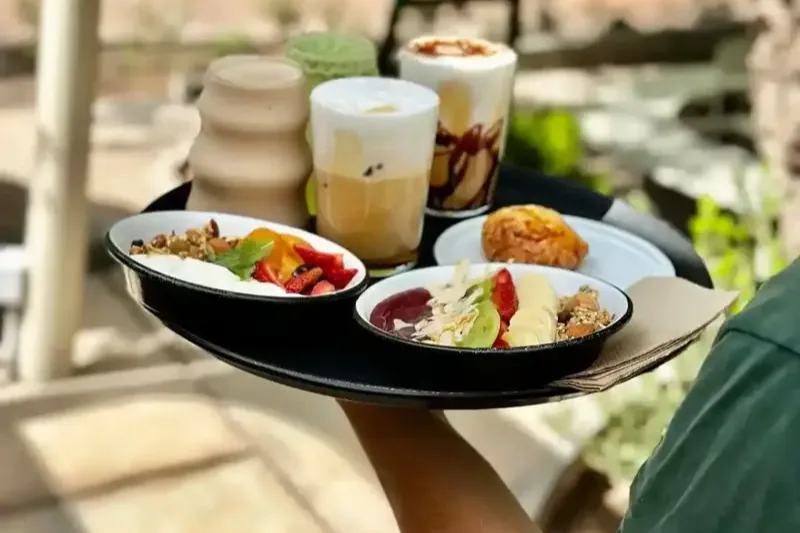
Start with «Un/una», add what you’d like, and finish with «por favor». The same pattern works for «Una empanada, por favor» [OO-nah ehm-pah-NAH-dah, por fah-VOR]. In Argentina, a pancho is a hot dog. If someone asks «¿Para acá o para llevar?», say «Para acá» if you’re eating in or «Para llevar» if you’re taking it to go. ASALE’s entry for pancho.
Un café, por favor
🗣️ oon kah-FEH, por fah-VOR
A coffee, please
Un café con leche, por favor
🗣️ oon kah-FEH kohn LEH-cheh, por fah-VOR
A coffee with milk, please
Un pancho, por favor
🗣️ oon PAHN-choh, por fah-VOR
A hot dog, please
Sin mostaza, por favor
🗣️ seen mohs-TAH-sah, por fah-VOR
No mustard, please
Para llevar, por favor
🗣️ PAH-rah yeh-VAHR, por fah-VOR
To go, please
La cuenta, por favor
🗣️ lah KWEHN-tah, por fah-VOR
The bill, please
What You Might Hear at the Counter
¿Para acá o para llevar?
🗣️ PAH-rah ah-KAH oh PAH-rah yeh-VAHR
For here or to go?
Choose «Para acá» or «Para llevar».
¿Algo más?
🗣️ AHL-goh mahs
Anything else?
If you’re done ordering, say «Nada más, gracias» [NAH-dah mahs, GRAH-syahs].
¿Con aderezos?
🗣️ kohn ah-deh-REH-sohs
With condiments?
If you’d like your hot dog plain, say «Sin aderezos, por favor» [seen ah-deh-REH-sohs, por fah-VOR].
An Order from Start to Finish
You
Buen día. Un café con leche, por favor.
🗣️ bwehn DEE-ah. oon kah-FEH kohn LEH-cheh, por fah-VOR
Good morning. A coffee with milk, please.
Counter staff
¿Para acá o para llevar?
🗣️ PAH-rah ah-KAH oh PAH-rah yeh-VAHR
For here or to go?
You
Para acá, gracias.
🗣️ PAH-rah ah-KAH, GRAH-syahs
For here, thanks.
If you’re somewhere with table service, say «La cuenta, por favor» when you’re ready to pay.
Basic Spanish for Tourists: Asking the Price and Paying
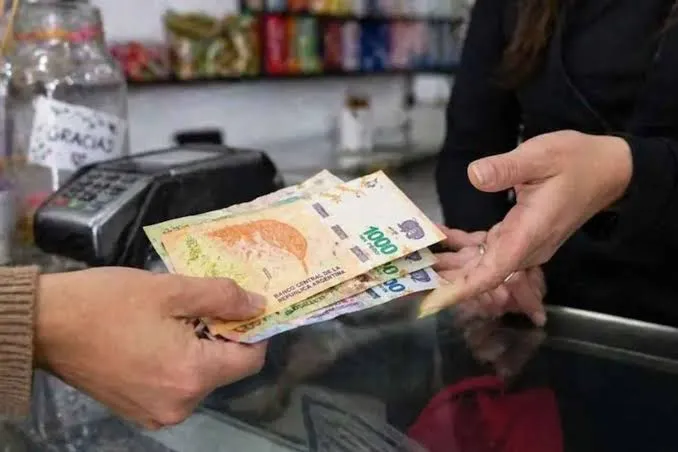
If someone tells you the price and you don’t catch the number, try «¿Me lo puede escribir?» [meh loh PWEH-deh ehs-kree-VEER]. If you want to pay by card, ask if they take cards before you order.
¿Cuánto cuesta?
🗣️ KWAHN-toh KWEHS-tah
How much is it?
¿Puedo pagar con tarjeta?
🗣️ PWEH-doh pah-GAHR kohn tahr-HEH-tah
Can I pay by card?
En efectivo
🗣️ ehn eh-fehk-TEE-voh
In cash
When Someone Says the Price Too Quickly
When you’re buying something, «¿Me lo puede escribir?» also works if you’d like them to show you the amount on a calculator. Here are two numbers and a question that come in handy.
Mil
🗣️ meel
One thousand
Dos mil quinientos
🗣️ dohs meel kee-NYEHN-tohs
Two thousand five hundred
¿Es el total?
🗣️ ehs ehl toh-TAHL
Is that the total?
Basic Spanish for Tourists Asking for Directions
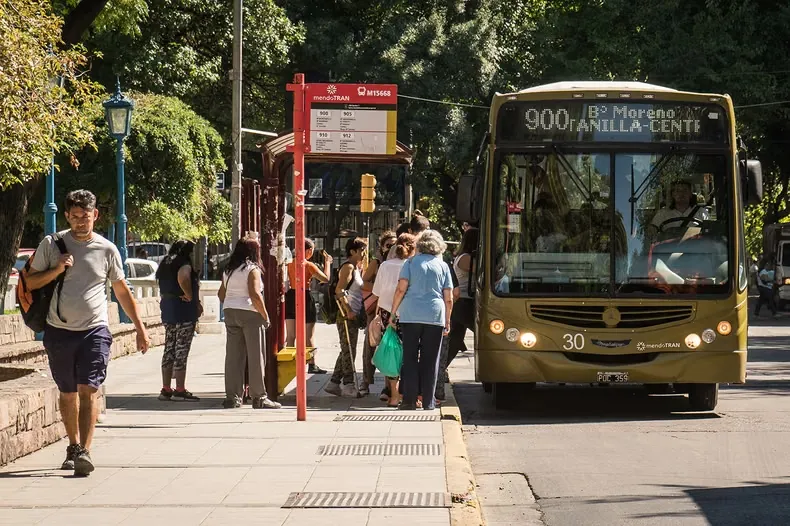
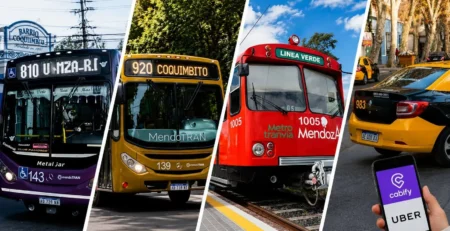
In Mendoza, you’ll see and hear colectivo and micro used for buses. When you ask for directions, show the full address or the name of the bus stop on your phone. If you’re picking up a bike, for example, save the address for Maipu Bikes in Coquimbito. MendoTran.
¿Dónde está el baño?
🗣️ DOHN-deh ehs-TAH ehl BAH-nyoh
Where is the restroom?
¿Dónde queda la parada?
🗣️ DOHN-deh KEH-dah lah pah-RAH-dah
Where is the bus stop?
¿Este colectivo va al centro?
🗣️ EHS-teh koh-lehk-TEE-voh vah ahl SEHN-troh
Does this bus go downtown?
¿Me lo puede marcar en el mapa?
🗣️ meh loh PWEH-deh mahr-KAHR ehn ehl MAH-pah
Could you point it out on the map?
Two Directions Worth Recognizing
Seguí derecho
🗣️ seh-GEE deh-REH-choh
Keep going straight
If you’re unsure how far to walk, ask them to point out the spot on the map.
Doblá en la esquina
🗣️ doh-BLAH ehn lah ehs-KEE-nah
Turn at the corner
Double-check by asking «¿A la derecha o a la izquierda?» [ah lah deh-REH-chah oh ah lah ees-KYEHR-dah].
Basic Spanish for Tourists at Your Hotel, Hostel, or Apartment
You can use this basic Spanish for tourists wherever you’re staying in Argentina.
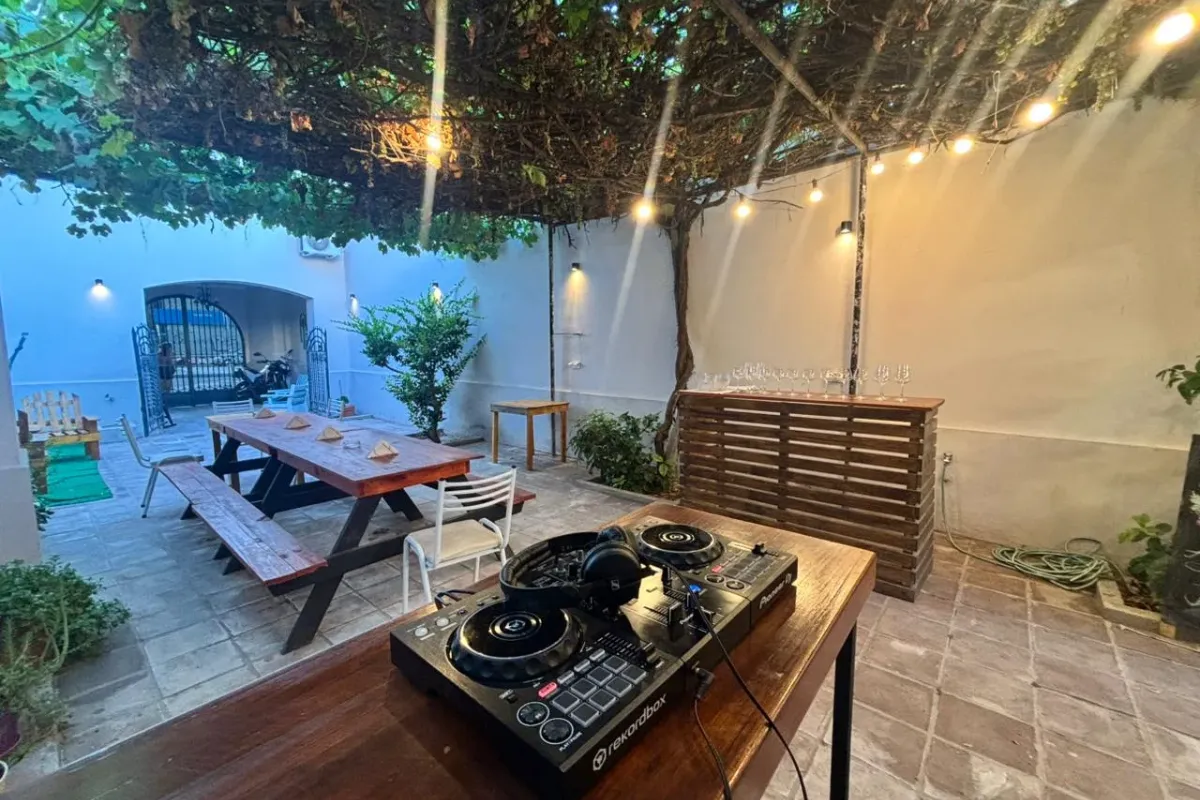
At reception, say hello and then say «Tengo una reserva». Show your booking confirmation so the receptionist can read the name. If you arrive before your room is ready, ask whether you can leave your backpack. For an apartment with self check-in, you can message the host for the entry code before you arrive.
Tengo una reserva
🗣️ TEHN-goh OO-nah reh-SEHR-vah
I have a reservation
La reserva está a nombre de…
🗣️ lah reh-SEHR-vah ehs-TAH ah NOHM-breh deh
The reservation is under the name…
¿A qué hora puedo entrar a la habitación?
🗣️ ah keh OH-rah PWEH-doh ehn-TRAHR ah lah ah-bee-tah-SYOHN
What time can I get into the room?
¿Cuál es la clave del wifi?
🗣️ kwahl ehs lah KLAH-veh dehl WEE-fee
What’s the Wi-Fi password?
¿El desayuno está incluido?
🗣️ ehl deh-sah-YOO-noh ehs-TAH een-kloo-EE-doh
Is breakfast included?
¿Hasta qué hora puedo dejar la habitación?
🗣️ AHS-tah keh OH-rah PWEH-doh deh-HAHR lah ah-bee-tah-SYOHN
What time do I need to check out by?
¿Puedo dejar mi mochila acá?
🗣️ PWEH-doh deh-HAHR mee moh-CHEE-lah ah-KAH
Can I leave my backpack here?
¿Me puede mandar el código de entrada?
🗣️ meh PWEH-deh mahn-DAHR ehl KOH-dee-goh deh ehn-TRAH-dah
Can you send me the entry code?
A Conversation at Hostel Check-In
You
Buen día. Tengo una reserva a nombre de Alex.
🗣️ bwehn DEE-ah. TEHN-goh OO-nah reh-SEHR-vah ah NOHM-breh deh AH-leks
Good morning. I have a reservation under the name Alex.
Reception
La habitación todavía no está lista.
🗣️ lah ah-bee-tah-SYOHN toh-dah-VEE-ah noh ehs-TAH LEES-tah
The room isn’t ready yet.
You
¿Puedo dejar mi mochila acá?
🗣️ PWEH-doh deh-HAHR mee moh-CHEE-lah ah-KAH
Can I leave my backpack here?
Two Replies You Might Hear
La habitación todavía no está lista.
🗣️ lah ah-bee-tah-SYOHN toh-dah-VEE-ah noh ehs-TAH LEES-tah
The room isn’t ready yet.
Ask what time you can get into your room.
El desayuno es de siete a diez.
🗣️ ehl deh-sah-YOO-noh ehs deh SYEH-teh ah dyehs
Breakfast is from seven to ten.
If you didn’t catch the times, ask someone to write them down.
Basic Spanish for Tourists: What to Say When You Don’t Understand
Basic Spanish for tourists also helps when someone answers too quickly. Ask them to repeat what they said or write it down. If you need help, say so and show where you are on the map.
No hablo español
🗣️ noh AH-bloh ehs-pah-NYOL
I don’t speak Spanish
Solo hablo un poco de español
🗣️ SOH-loh AH-bloh oon POH-koh deh ehs-pah-NYOL
I only speak a little Spanish
¿Qué quiere decir eso?
🗣️ keh KYEH-reh deh-SEER EH-soh
What does that mean?
¿Cómo se dice esto en español?
🗣️ KOH-moh seh DEE-seh EHS-toh ehn ehs-pah-NYOL
How do you say this in Spanish?
¿Habla inglés?
🗣️ AH-blah een-GLEHS
Do you speak English?
Más despacio, por favor
🗣️ mahs dehs-PAH-syoh, por fah-VOR
More slowly, please
¿Puede repetir?
🗣️ PWEH-deh reh-peh-TEER
Could you repeat that?
¿Me lo puede escribir?
🗣️ meh loh PWEH-deh ehs-kree-VEER
Could you write it down for me?
Necesito ayuda
🗣️ neh-seh-SEE-toh ah-YOO-dah
I need help
Where to Get Help in Your Language
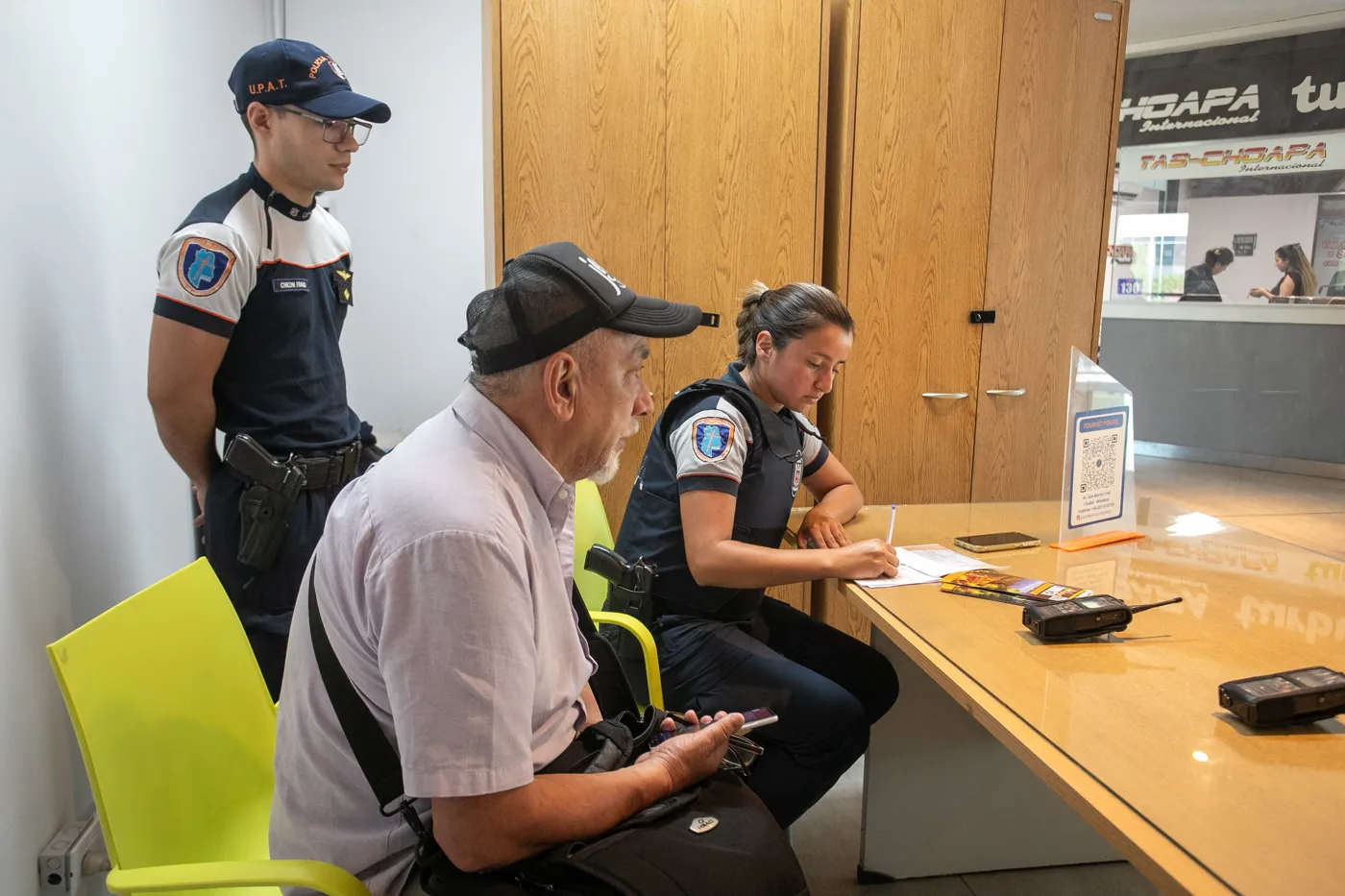
If you’re having trouble making yourself understood in Mendoza, the Tourist Police (UPAT) have staff who can help in English, Portuguese, French, Italian, and sign language. Availability depends on who’s on duty, but it’s worth stopping by. Read more about what they do in our guide to the Tourist Police in Mendoza.
- Tourist information offices. In popular destinations and at Ezeiza Airport, you’ll often find English-speaking staff. They can give you maps and point you in the right direction if you lose a document or need to contact your embassy.
- 911. This is the emergency number in much of Argentina. According to Argentina’s official tourism site, operators can often understand English or find an interpreter, though availability varies. It’s worth keeping your location written down and handy.
- Wineries, museums, and parks. Many wineries in Maipú offer tours in English. At museums and national parks, you’ll often find signs in Spanish and English or QR codes that give you access to other languages.
Before you travel, set up your phone’s emergency feature and save the number for your travel insurance provider, which can often help in your language. Argentina.travel on languages and traveler assistance.
How Your Phone Can Help When You Get Stuck
It’s normal to go blank. Start with «Disculpe» and show the phrase on your phone. You can point to the menu or the map and ask someone to write down the detail you need. If someone gives you a price, a time, or a room number, confirm it in writing. With basic Spanish for tourists, being understood is what matters.
- Google Translate. Use the camera to translate menus and signs, or try conversation mode to talk with someone. Download Spanish before you head out so you can use the app offline. Google Help.
- Apple Translate. On an iPhone, you can type a phrase or use conversation mode. To translate text offline, download Spanish and your own language before you leave, then check that it works. Apple Support.
- DeepL. Type or paste a short message like «Voy a llegar después de las diez. ¿Cómo entro?» [voy ah yeh-GAHR dehs-PWEHS deh lahs dyehs. KOH-moh EHN-troh]. Then show or copy the translation. The app also supports dictation in languages your device supports. DeepL Help.
- Notes or screenshots. Save the address, the name of your accommodation, and your booking confirmation. Open them in airplane mode before you leave to make sure you can pull them up.
Basic Spanish for Tourists on the Wine Route
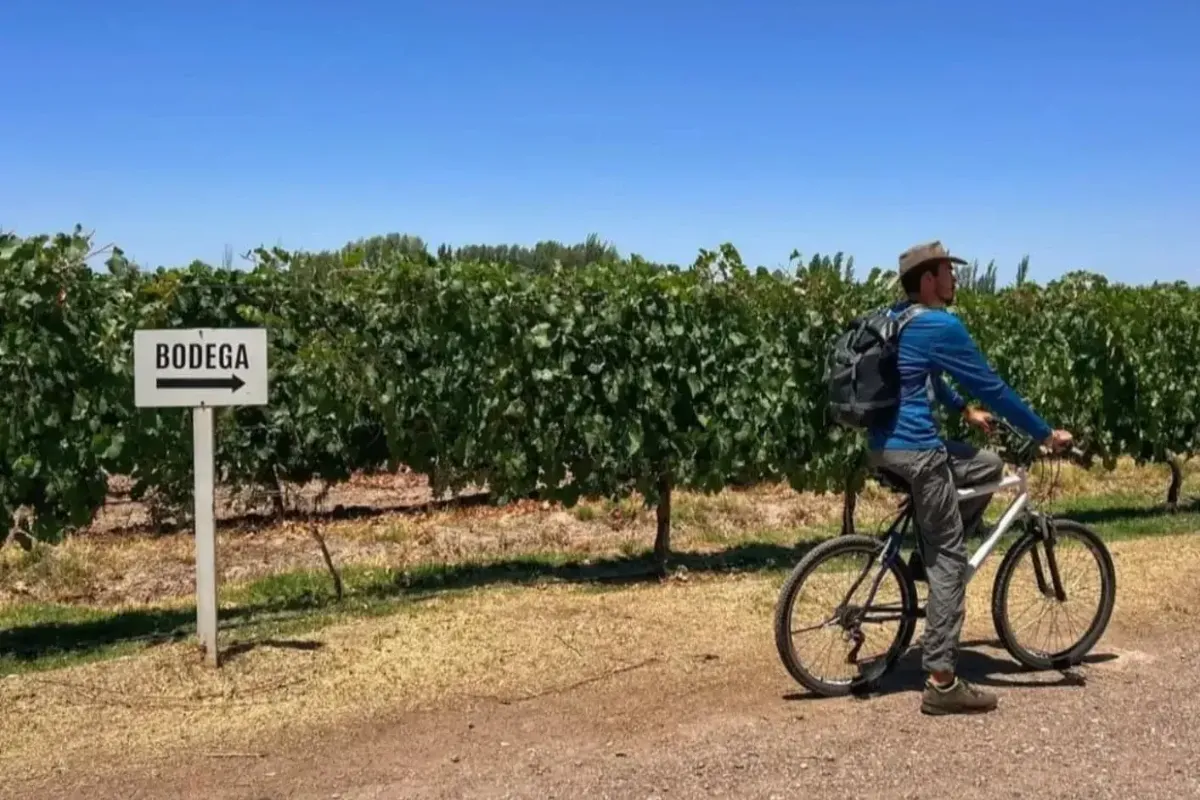
If you’re visiting the wineries of Maipú, you can use these phrases at the winery, at the bike rental shop, and along the way. Most wineries can help you in English, and a few words of Spanish are always welcome.
Una degustación, por favor
🗣️ OO-nah deh-goos-tah-SYOHN, por fah-VOR
A tasting, please
¿Tienen visita guiada?
🗣️ TYEH-nehn vee-SEE-tah gee-AH-dah
Do you have a guided tour?
¿Necesito reserva?
🗣️ neh-seh-SEE-toh reh-SEHR-vah
Do I need a reservation?
¿Dónde puedo dejar la bici?
🗣️ DOHN-deh PWEH-doh deh-HAHR lah BEE-see
Where can I leave the bike?
Se me pinchó la rueda
🗣️ seh meh peen-CHOH lah RWEH-dah
I have a flat tire
Un vaso de agua, por favor
🗣️ oon VAH-soh deh AH-gwah, por fah-VOR
A glass of water, please
If you get a flat tire or something goes wrong with your bike, let us know. Maipu Bikes offers mechanical support while you’re out riding.
Basic Spanish for Tourists: Three Phrases to Save on Your Phone
These three phrases sum up the basic Spanish for tourists you’ll use most.
Buen día
🗣️ bwehn DEE-ah
Good morning
Un café, por favor
🗣️ oon kah-FEH, por fah-VOR
A coffee, please
Más despacio, por favor
🗣️ mahs dehs-PAH-syoh, por fah-VOR
More slowly, please
If you understood the greeting but missed what came next, you’ve got a phrase to keep the conversation going. Show the Spanish on your phone if you’re having trouble saying it.
FAQs About Basic Spanish for Tourists
Do I need to speak Spanish to travel in Argentina?
You can get by without it, though a few basic phrases make things easier on the bus, in a café, or at a winery.
How do I ask for the bill at a restaurant?
Just say «¿Me trae la cuenta, por favor?» [meh TRAH-eh lah KWEHN-tah, por fah-VOR].
How do I ask how much something costs?
«¿Cuánto sale?» [KWAHN-toh SAH-leh] is the most common way to ask in Argentina.
What do I say if I don’t understand?
Try «¿Me lo repetís más despacio?» [meh loh reh-peh-TEES mahs dehs-PAH-syoh] or «Perdón, no te entendí» [pehr-DOHN, noh teh ehn-tehn-DEE]. People are usually patient with learners.
Will people understand me if I use tú?
Yes. People in Argentina use vos, and they understand tú just fine.
Practice Your Spanish on the Wine Route
Choose a self-guided bike rental or an experience with an itinerary and reservations arranged for you.
Self-Guided Wine Bike Tour
Self-guided bike rental
Bicycle, helmet, map and mechanical assistance. Choose your stops along the Maipu Bikes route and, if any require a reservation, we’ll send you the booking link. Wine tastings and meals are paid for separately. When you return, the Free Malbec Wine Happy Hour will be waiting for you.
Maipu Wine Bike Experience
Itinerary with coordinated reservations
Follow a scheduled itinerary while we coordinate the reservations: Trapiche, Entre Olivos, Viña El Cerno and a multi-course lunch at Mevi. Bicycle, helmet and assistance included. Finish with the Free Malbec Wine Happy Hour.
Deja una respuesta