


Mendoza slang: from «choco» to «tortita raspada»
Mendoza slang: from «choco» to «tortita raspada»
In Maipú they tell you to keep going until «donde topa» [DON-de TO-pa]. On the way a «choco» barks at you, and at the bakery they offer you «raspaditas» [ras-pa-DI-tas]. Three stops and you already have a list of Mendoza slang. Some words are used in similar ways outside the Cuyo region, but all of them help you follow conversations you can have here. In brackets you’ll see how each word is pronounced; the syllable in capitals is the stressed one.
This guide brings together Mendoza slang that will come in handy in the street, at the table and on the Wine Route, with a ready-to-use phrase for each case.
How it would be said elsewhere
If you come from Spain, «acá es pandito» is like «aquí cubre poco» when people talk about a swimming pool. In Mexico, at a pool you might hear «aquí está bajito» or «aquí no está hondo». «Seguí derecho hasta donde topa» would be «sigue recto hasta el final de la calle» in Spain and «sigue derecho hasta donde termina la calle» in Mexico. If the street meets another one, ask which way to turn.
«Choco» is understood as «perro» or «perrito» (dog or little dog), depending on the context. To order a «tortita raspada», use its local name: it’s a small bread traditionally baked in a clay oven. At the winery, «degustación de vinos» and «cata de vinos» both work to ask whether you can taste the wines.
| Word | Pronunciation | What it means | Phrase to use it |
|---|---|---|---|
| Choco | CHO-ko | Dog, especially a small mixed-breed one | «¿Cómo se llama tu choco?» (What’s your dog’s name?) |
| Pandito | pan-DI-to | Shallow | «¿Qué profundidad tiene acá?» (How deep is it here?) |
| Donde topa | DON-de TO-pa | Where the street ends or meets another one | «¿Ahí doblo a la derecha o a la izquierda?» (Do I turn right or left there?) |
| Acequia | a-SE-kia | Channel that carries water along the street | «¿La entrada está pasando la acequia?» (Is the entrance past the acequia?) |
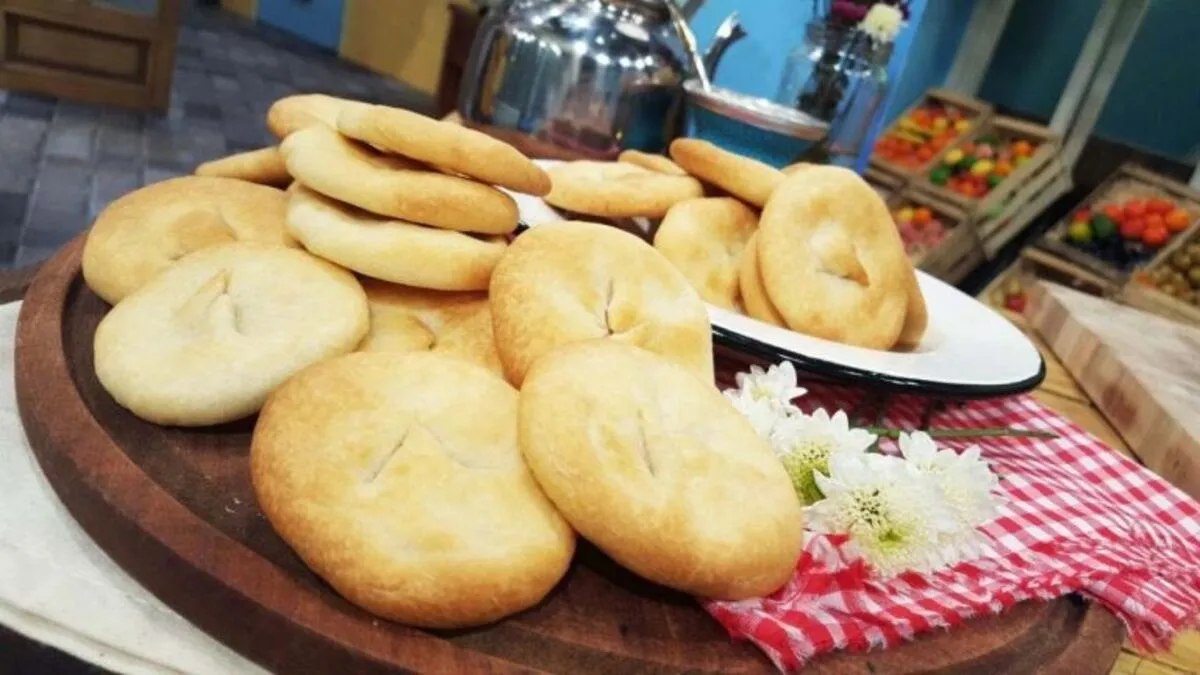
| Tortita raspada | tor-TI-ta ras-PA-da | Mendoza bread baked in a clay oven | «Dame dos raspaditas, por favor» (Two raspaditas, please) |
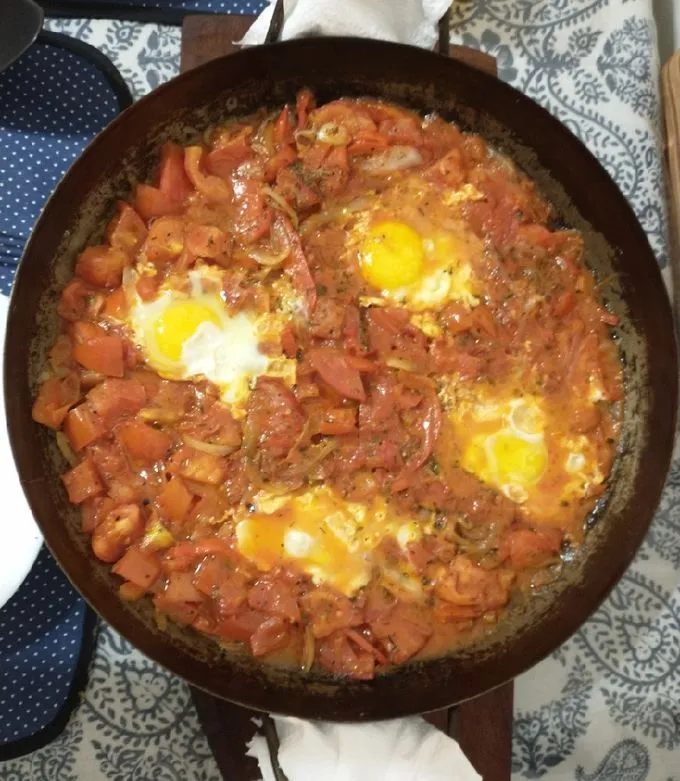
| Tomaticán | to-ma-ti-KAN | Sauce made with fried tomato, egg and onion | «¿Qué lleva el tomaticán?» (What’s in the tomaticán?) |
| Zonda | SON-da | Hot, dry and strong wind of the Cuyo region | «¿Está muy fuerte el zonda hoy?» (Is the Zonda very strong today?) |
| Vendimia | ben-DI-mia | The grape harvest, and the festival that celebrates it | «¿Cuándo es la Vendimia?» (When is the Vendimia?) |
Two words of Mendoza slang you may hear at home
Choco. [CHO-ko] If someone says «El choco está en el patio», they’re talking about the dog. ASALE records the colloquial meaning of dog, especially a small mixed-breed one. The Mendoza press also documents the local use. «¿Cómo se llama tu perro?» (What’s your dog’s name?) works if you want to keep the conversation going. ASALE: choco · El Nueve: Mendoza examples.
Pandito. [pan-DI-to] If at a swimming pool someone tells you «Acá es pandito», they mean the water is shallow. The local press records this use for pools and lakes. If you need to know how deep it is, ask «¿Qué profundidad tiene acá?». El Nueve: use of pandito.
«Donde topa» and other clues for finding your way
«Seguí derecho hasta donde topa» [se-GI de-RE-cho AS-ta DON-de TO-pa] sends you to the point where a street ends or meets another one. The question remains: «¿Ahí doblo a la derecha o a la izquierda?» (Do I turn right or left there?). MendoTran uses the expression when describing a route through Luján de Cuyo. The verb topar also exists in general Spanish. MendoTran routes · RAE: topar.
Acequia: Mendoza slang from the street
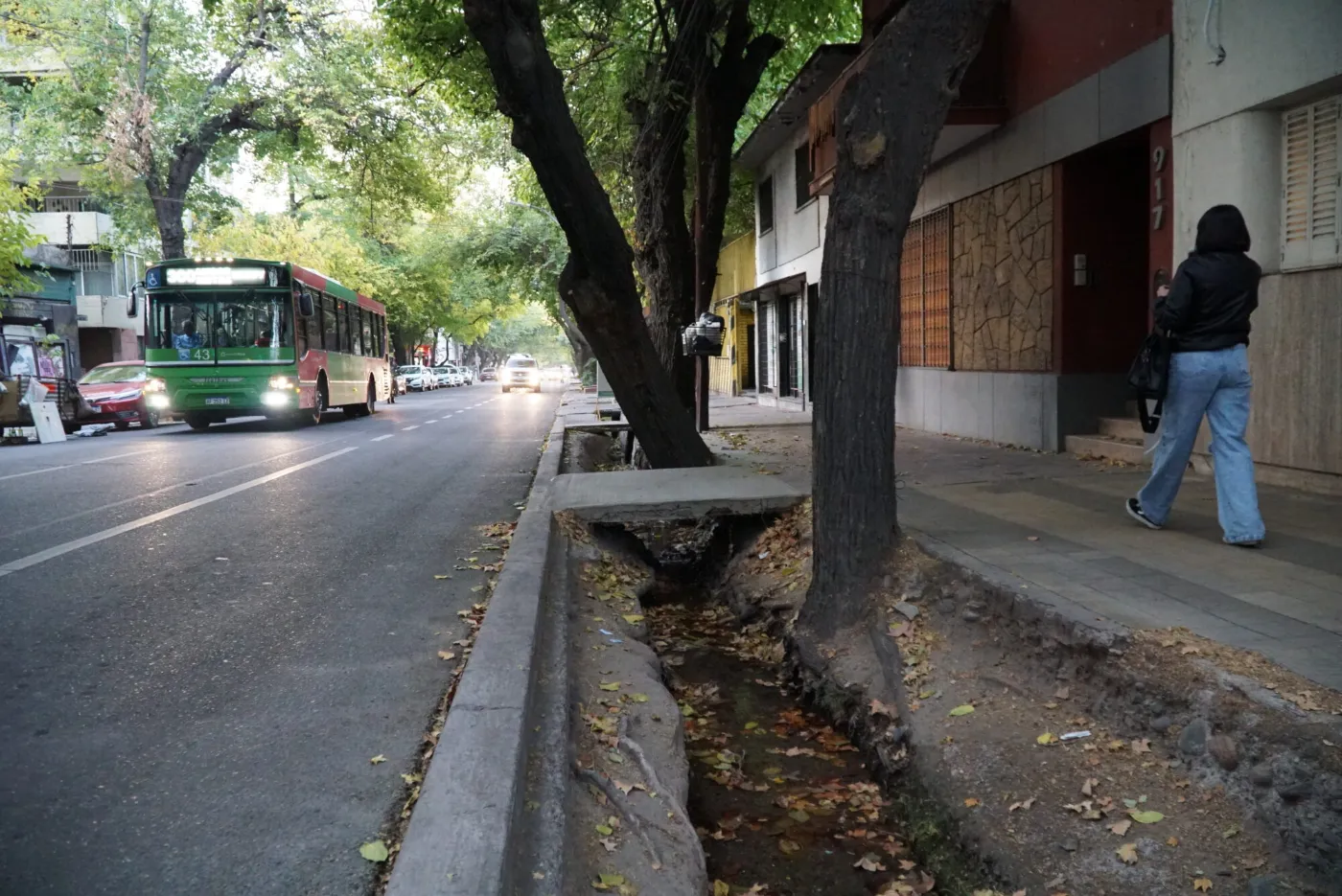
An acequia [a-SE-kia] is a channel that carries water. The word is used outside the Cuyo region too, but in Mendoza it helps you recognize something you’ll often see along the streets. «Pasando la acequia» (past the acequia) can be a clue for finding an entrance. If you set off by bike from Coquimbito, you’ll also see acequias along stretches of the bike lane. Map of acequias in the City of Mendoza. If you’re walking at night, watch your step: acequias are usually open next to the sidewalk.
What to order at the bakery
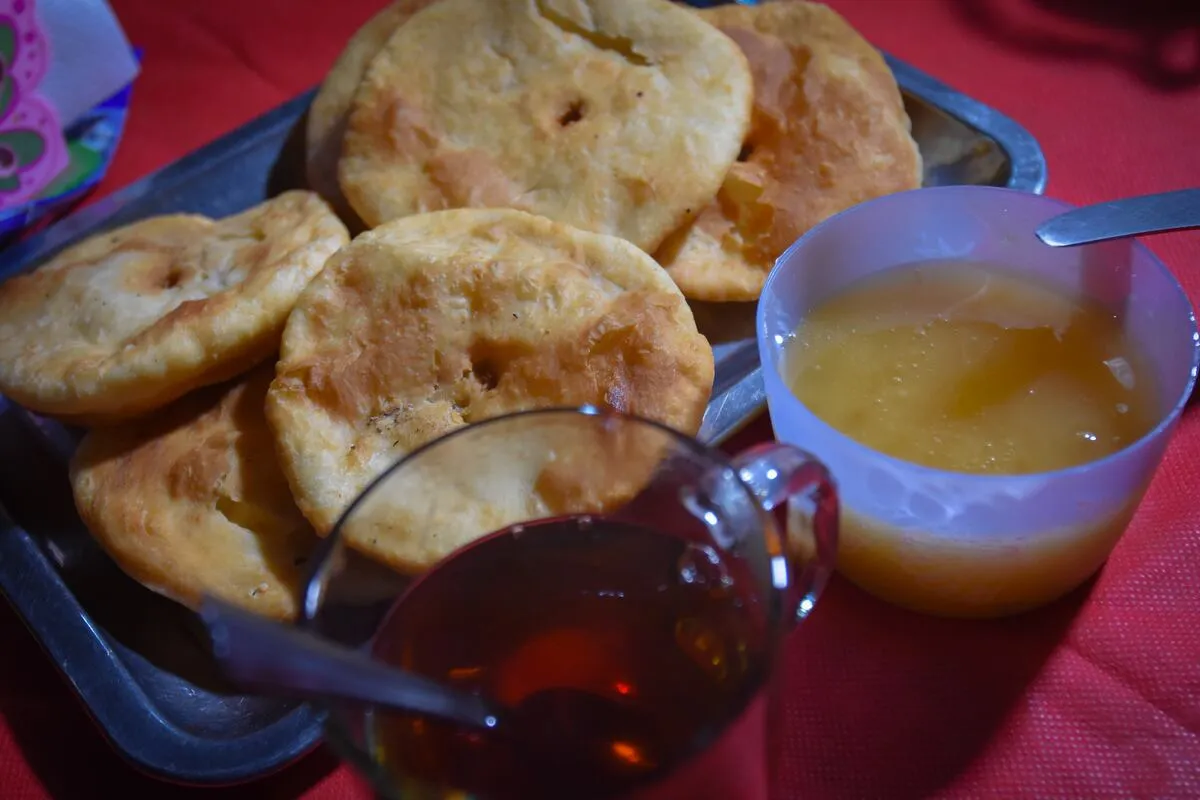
The tortita raspada, or raspadita, is a Mendoza bread. The provincial food plan describes how it is traditionally baked on the floor of a clay oven and how the ashes are scraped off before eating it. To try it, «¿Tenés tortitas raspadas?» (Do you have tortitas raspadas?) or «Dame dos raspaditas, por favor» is all you need. Mendoza food development plan.
On rainy days another classic shows up: the sopaipilla [so-pai-PI-ia], a fried dough that in other parts of Argentina is called torta frita. It’s eaten plain, with sugar or with syrup, almost always with mate. To order it: «¿Hoy tienen sopaipillas?» (Do you have sopaipillas today?).
Tomaticán: Mendoza slang for the table
If you’re invited to eat at someone’s home, you may hear «tomaticán» [to-ma-ti-KAN]. The Dictionary of Americanisms defines it as a sauce made mainly with fried tomato, egg and onion, and places it in Chile and in western and northwestern Argentina. It’s one of those words shared by both sides of the Andes.
To join the conversation: «¿Qué lleva el tomaticán?» (What’s in the tomaticán?) opens it, and «Estaba buenísimo» (It was delicious) closes it nicely.
Zonda: when the wind has a name
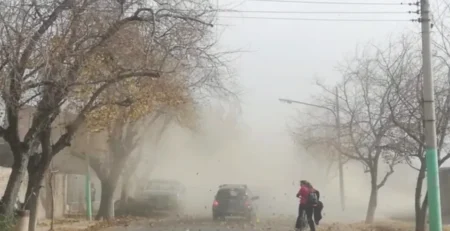
The zonda is a strong, hot and very dry wind that comes down from the Andean foothills and blows across the Cuyo region and northwestern Argentina. The name comes from a valley in San Juan. When someone says «hay zonda», the sky usually turns yellowish with dust and the temperature rises.
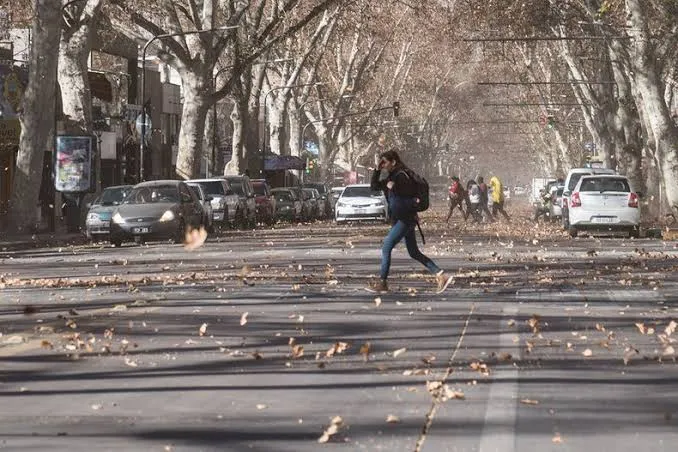
If you’re planning to go out by bike and you hear that word, ask first: «¿Está muy fuerte el zonda hoy?» (Is the Zonda very strong today?). Riding with wind and dust is harder, and it’s good to know before you set off.
Vendimia and other wine words
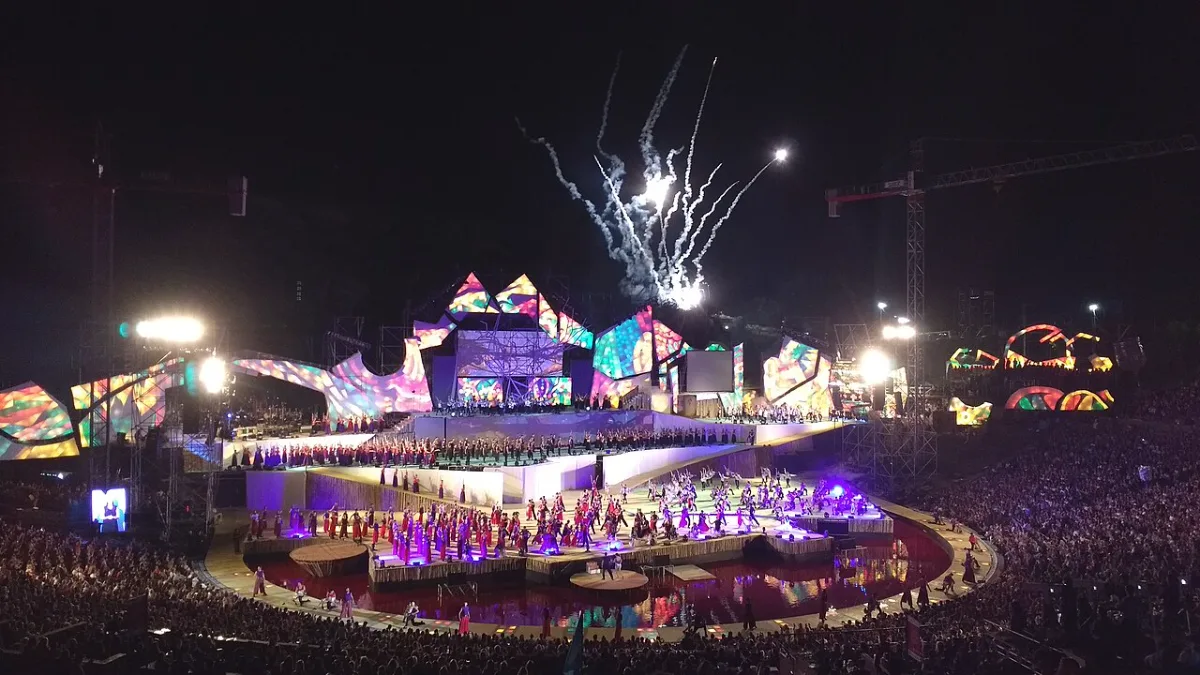
The vendimia is the grape harvest. In Mendoza it’s also a festival: the Fiesta Nacional de la Vendimia is held every year, and its main show takes place at the Frank Romero Day Greek Theater, in Parque General San Martín.
At the wineries you’ll hear other useful words. Degustación [de-gus-ta-SION] is a tasting of several wines. A varietal [ba-rie-TAL] is made with a single grape, like malbec, and a corte [KOR-te] blends several. If they talk about a barrica, [ba-RRI-ka] they mean the oak barrel where the wine is aged. With «¿Este vino es un varietal o un corte?» (Is this wine a varietal or a blend?) you can follow the explanation.
How to use Mendoza slang without forcing it
You don’t need to say «choco» or «pandito» to be understood: recognizing them is enough. If a word catches your attention, ask «¿Qué significa?» (What does it mean?). Most people from Mendoza enjoy explaining the way they speak, and that chat is often the best part of the trip. And if you want more, in another blog post we’ve gathered typical Mendoza phrases, with their meaning and pronunciation.
Frequently asked questions about Mendoza slang
What is a «choco» in Mendoza?
It’s a dog, especially a small mixed-breed one. The Dictionary of Americanisms records this colloquial meaning.
What is the Zonda?
A strong, hot and very dry wind that comes down from the Andean foothills and blows across the Cuyo region and northwestern Argentina.
What is a tortita raspada?
A Mendoza bread baked on the floor of a clay oven and scraped to remove the ashes before eating it.
What does «donde topa» mean?
Keep going until the point where the street ends or meets another one.
Do I have to use these words to be understood?
No. Recognizing them is enough; if one catches your attention, ask what it means.
Read also
Hear Mendoza slang on the Wine Route
Choose how to explore the Maipú wineries: on your own or with an itinerary we put together.
Self-Guided Wine Bike Tour
Self-guided rental
Bike, helmet, map and mechanical assistance. You choose your stops within the Maipu Bikes circuit and, if any of them needs a booking, we send you the link. Tastings and meals are paid separately. When you get back, the Free Malbec Wine Happy Hour is waiting for you.
Maipu Wine Bike Experience
Itinerary with coordinated bookings
You follow a timed itinerary and we coordinate the bookings: Trapiche, Entre Olivos, Viña El Cerno and a multi-course lunch at Mevi. Bike, helmet and assistance included. At the end, the Free Malbec Wine Happy Hour.



Deja una respuesta