


Zonda Wind in Mendoza: What It Is and What to Do If It Hits During Your Trip
Zonda Wind in Mendoza: What It Is and What to Do If It Hits During Your Trip
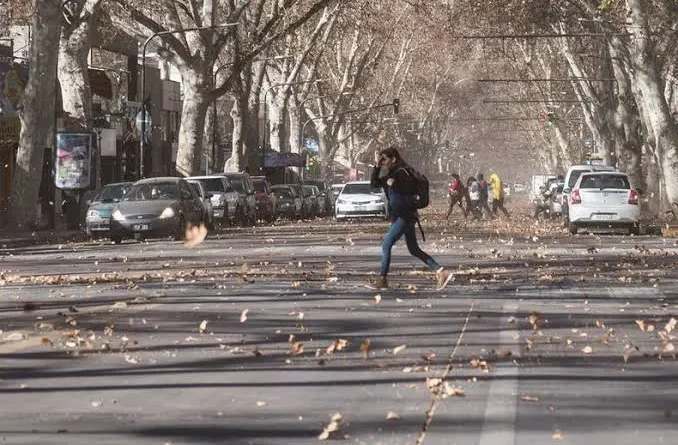
The Zonda wind is Mendoza’s most famous wind, and it’s worth knowing how it works so it doesn’t ruin your day. If you visit the province between autumn and spring, you may hear a local say, in the tone of a biblical forecast: «The Zonda is coming tomorrow».
In this guide we explain what it is, when it shows up, what to do if it hits and why, when there’s an alert, the bikes stay at our shop.
What is the Zonda wind?
It’s a warm, very dry wind, often loaded with dust, that comes down from the Andes towards Mendoza and San Juan.
Moist air from the Pacific rises up the Chilean side of the mountains, cools down and leaves its moisture there as rain and snow. When it comes down towards Argentina, it arrives dry and warms up quickly on the way down. The result: within a few hours the temperature shoots up, humidity drops to a minimum and the sky turns yellowish with dust.
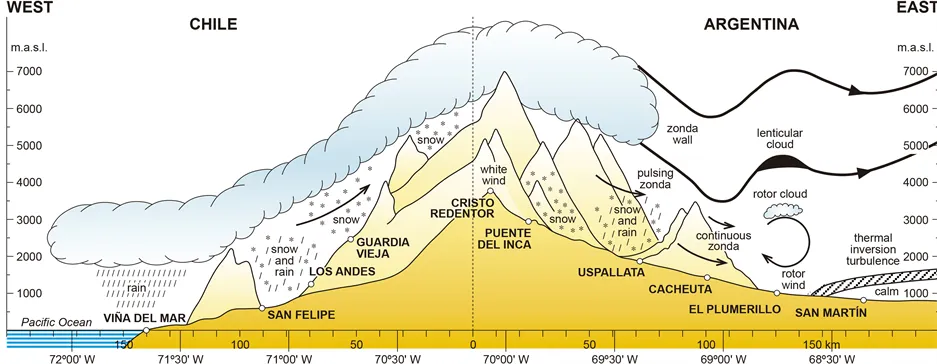
It isn’t unique to Mendoza. Meteorologists call this type of wind the “Foehn effect”, and it appears in many mountain ranges around the world under their own names:
- Föhn, in the Alps (Switzerland, Austria, Germany and Italy): it gave the phenomenon its name.
- Chinook, in the Rocky Mountains of the United States and Canada: in Calgary it’s famous for raising temperatures in the middle of winter.
- Puelche, in Chile: the same effect in reverse, when air comes down from the Andes on the Chilean side.
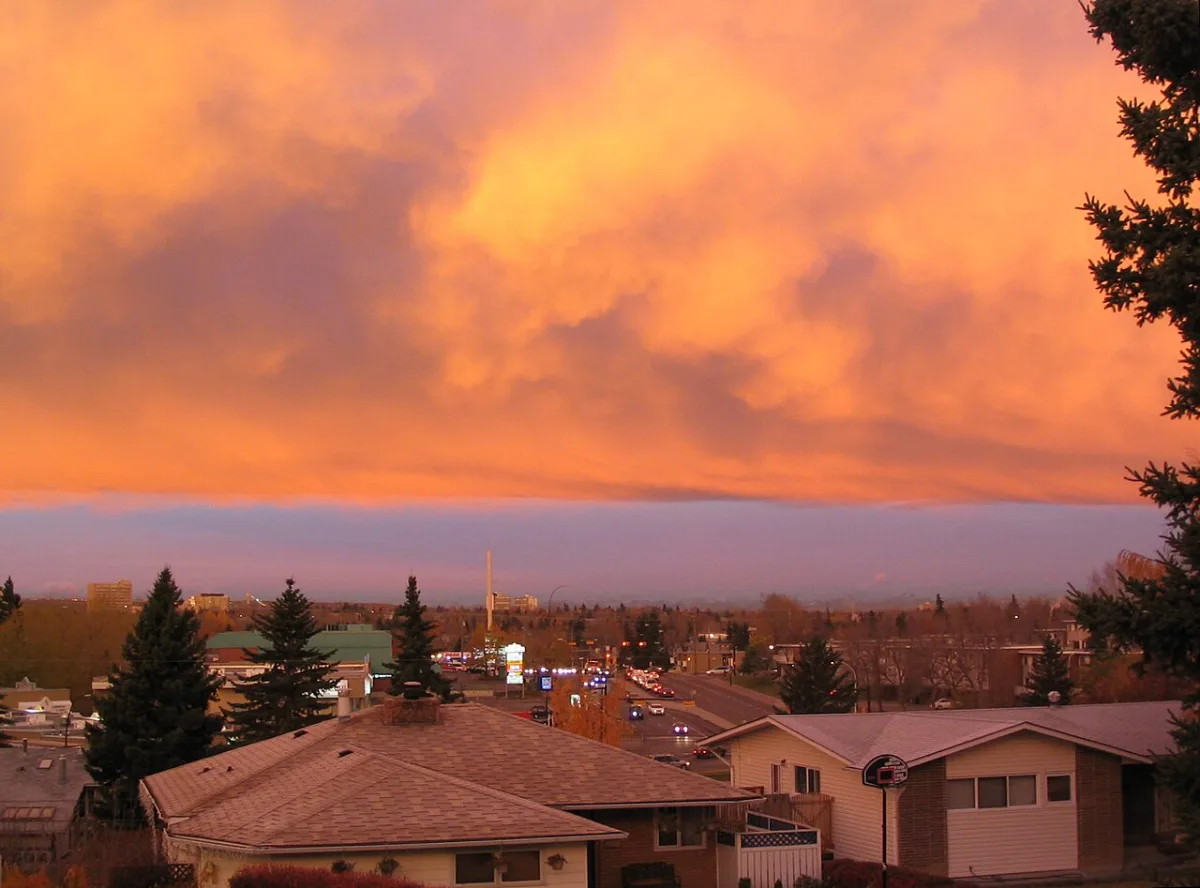
Other famous winds are also dry and warm, although they form differently: the Santa Ana winds in California (United States) or the sharav or khamsin in Israel and the Middle East, which blow in from the desert. If you come from one of those places, the feeling will be familiar.
When does the Zonda blow?
It’s most frequent between May and November, with more cases towards the end of winter. In the city and in Maipú it’s usually felt in the afternoon, and a typical episode lasts a few hours, although it can come and go over two or three days.
It almost always ends the same way: a south wind comes in and the temperature drops sharply. So even if it’s hot during the Zonda, keep a jacket handy for the evening or the next day.
| The Zonda | In practice |
|---|---|
| When it’s most frequent | Between May and November, with more cases towards the end of winter |
| What time you feel it | In the city and in Maipú, usually in the afternoon |
| How long it lasts | A few hours; it can come and go over two or three days |
| How it ends | A south wind comes in and the temperature drops sharply |
| Where to check alerts | Argentina’s National Weather Service (smn.gob.ar) |
How to know if there’s a Zonda wind alert
- National Weather Service: check the alerts at smn.gob.ar. If you see a “yellow” or “orange alert for Zonda”, assume the afternoon is going to change.
- Your accommodation: in Mendoza everyone keeps an eye on the forecast and they can let you know.
- Local news: when a Zonda is forecast, it’s the talk of the day.
And if you have a booking with us, don’t worry: if there’s an alert, we’ll let you know.
What to do during the Zonda wind
Civil Defense’s recommendations for tourists are simple:
- Stay indoors during the strongest hours, with doors and windows closed.
- Drink more water than usual, even if you’re not thirsty.
- Don’t walk or park near trees, signs or structures that could fall.
- Avoid outdoor physical activity.
- Don’t light fires or throw cigarette butts: with the air so dry, a spark can start a fire.
- If you see fallen cables, don’t touch them and call 911.
- If you’re driving, slow down: dust greatly reduces visibility.
Sunglasses, a scarf or face mask for the dust and some lubricating eye drops will make the afternoon much more bearable. Some people get a headache, eye irritation or tiredness: rest and drink water.
Three things people in Mendoza learn as kids: don’t park under trees, don’t leave laundry hanging outside and, if you’re walking with dust in your eyes, watch the ground: the irrigation ditches are still there.
Can you ride the Wine Route with the Zonda?
No. Riding with strong gusts, dust in your eyes and branches that could fall is neither safe nor enjoyable. A bike is light, and a crosswind can push you into the road in a second.
That’s why if there’s a Zonda alert on the day of your booking, Maipu Bikes doesn’t go out. We’ll contact you to let you know, cancel the ride and reschedule it for another day whenever possible.
Cristian and the Maipu Bikes team also make sure conditions are safe before every ride. If the Zonda shows up during the ride, we activate the corresponding protocol. And if the day starts calm but there’s an alert for later, we always give you safe directions when we explain the map.
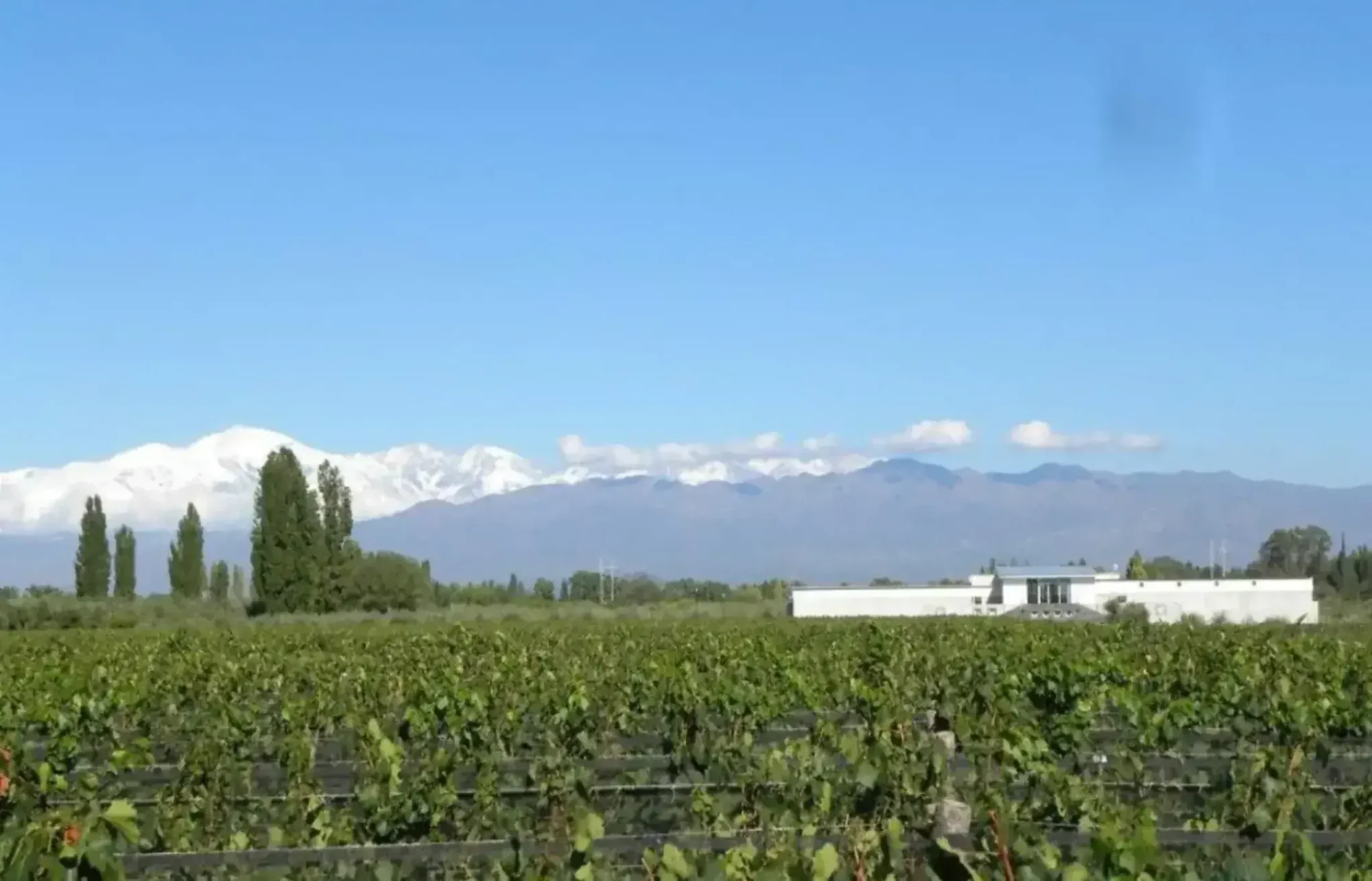
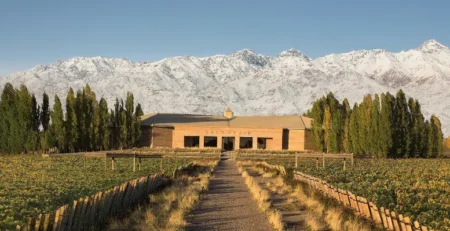
The good news: the day after the Zonda usually dawns cool and clear, with crisp views of the Andes. It’s one of the best days to ride among the vineyards.
Plan B for a Zonda wind day
A Zonda day is a good excuse to enjoy Mendoza indoors:
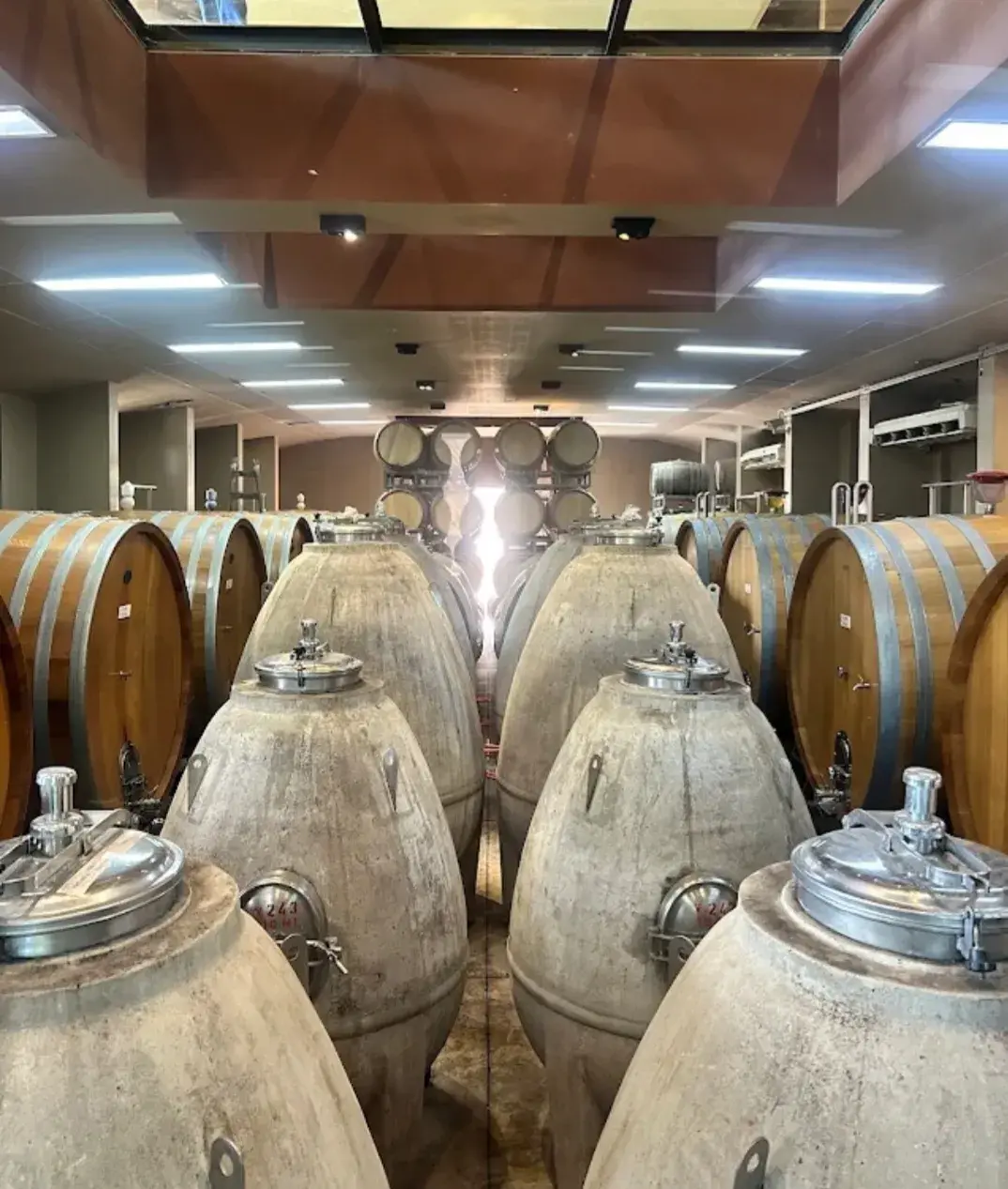
- Tastings at wineries with indoor rooms, like Trapiche in Maipú or Los Toneles in Guaymallén (take a taxi, not a bike).
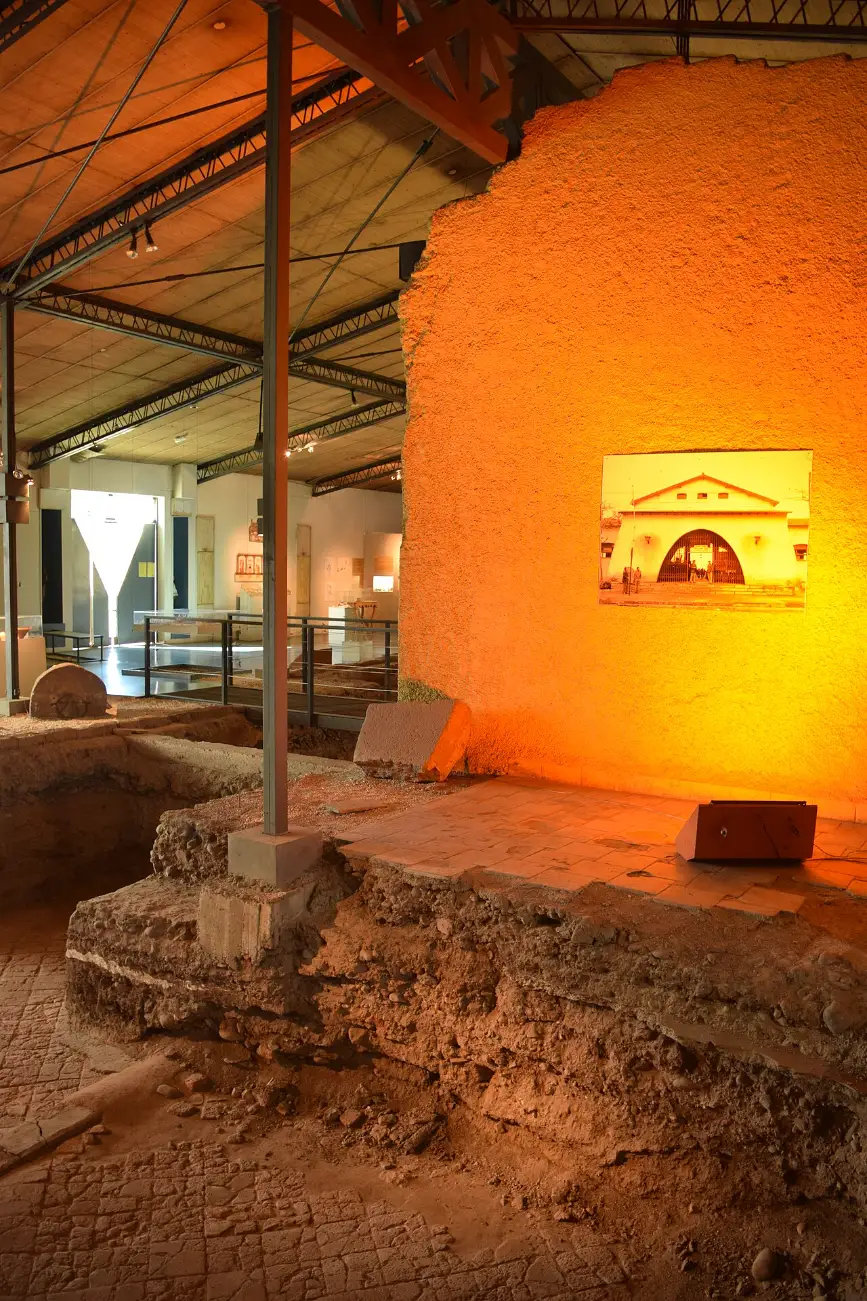
- Museums in the City of Mendoza, like the Museo del Área Fundacional (partly underground) or the Juan Cornelio Moyano Natural Science Museum, and cultural spaces like La Nave UNCUYO.
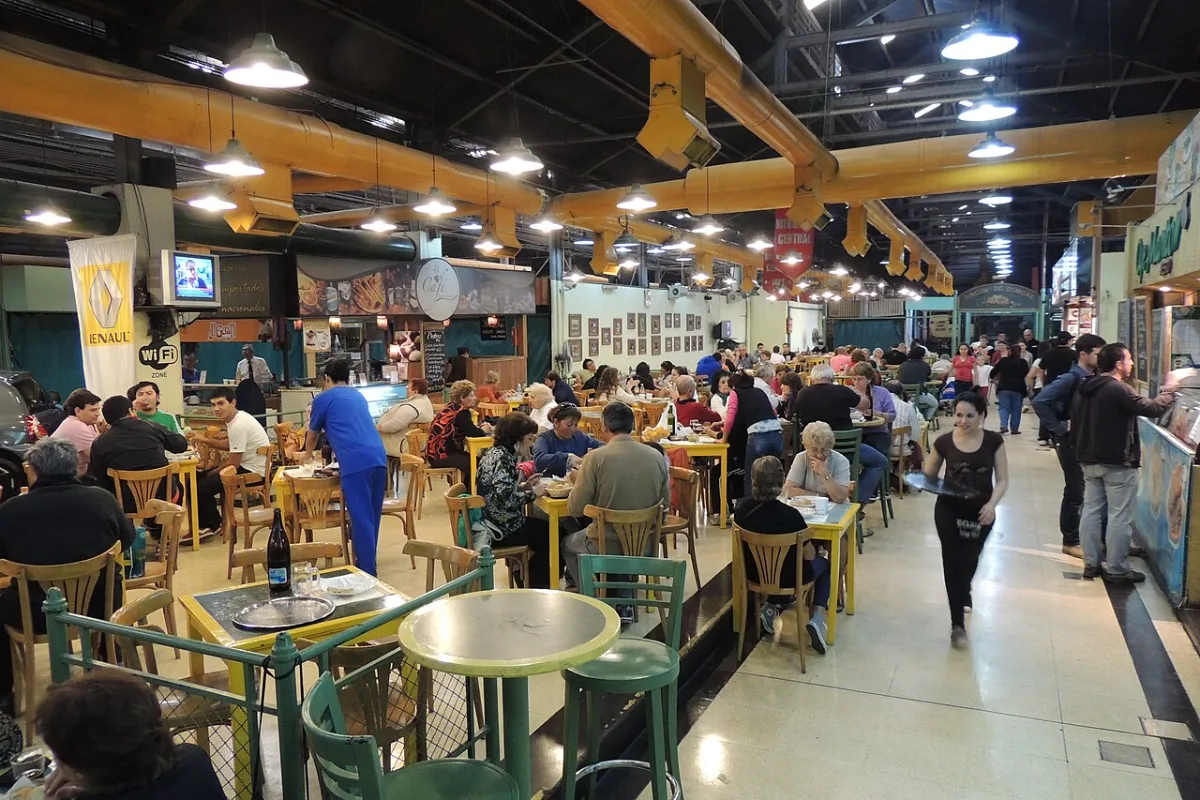
- The Mercado Central, for empanadas and local food, or a long lunch and a coffee afternoon. There are also shopping malls, like Mendoza Plaza Shopping or Palmares Open Mall.
Before you go, check opening hours: during an alert, some places change their schedule.
If you’re crossing to Chile
With a strong Zonda or bad weather in the high mountains, the Cristo Redentor Pass may close or run on restricted hours. Check the status of the Cristo Redentor Pass before you set off.
Frequently asked questions about the Zonda wind
Is the Zonda dangerous?
Generally not, if you follow the recommendations. The risk lies in strong gusts, falling branches and fires caused by the very dry air.
How long does it last?
A few hours, almost always in the afternoon. Sometimes it comes and goes over two or three days.
What happens to my bike booking if there’s a Zonda?
If there’s an alert, we don’t go out. We’ll contact you to cancel and reschedule the ride for another day whenever possible.
Why is it cold after the Zonda?
Because when the Zonda leaves, a south wind brings in cold air. The temperature can drop several degrees in a few hours.
In short
The Zonda wind doesn’t have to ruin your trip, but it does force you to change plans. Stay hydrated, stay indoors during the strongest hours and save the bike for when it passes: the day after is usually spectacular.
Want to see it from the funny side? Read our guide to surviving the Zonda (in style).
After the Zonda, time to ride
The day after the Zonda is often one of the best for exploring Maipú. Both experiences are self-guided, and if there’s an alert on the day of your booking, we’ll let you know and find another date.
Self-Guided Wine Bike Tour
Self-guided rental
Bike, helmet, map and mechanical assistance. You choose your stops within the Maipu Bikes circuit and, if any of them needs a booking, we’ll send you the link. Tastings and meals are paid separately. When you get back, the Free Malbec Wine Happy Hour is waiting for you.
Maipu Wine Bike Experience
Itinerary with coordinated bookings
You follow a timed itinerary and we coordinate the bookings: Trapiche, Entre Olivos, Viña El Cerno and a multi-course lunch at Mevi. Bike, helmet and assistance included. At the end, the Free Malbec Wine Happy Hour.







Deja una respuesta