


Chilean and Argentine Spanish: What Changes Across the Andes?
Chilean and Argentine Spanish: What Changes Across the Andes?
A classmate in Santiago says «Tomemos la micro» [toh-MEH-mohs lah MEE-kroh]. In Mendoza, the sign points you to the colectivo stop. Chilean and Argentine Spanish share much of their vocabulary, but some everyday words change right when you need them most, whether you’re getting to class, making plans, or figuring out who’s coming to dinner.
This guide compares the Spanish you’ll hear when ordering food, waiting for a bus, chatting with friends, sitting down to dinner, walking around town, and crossing the Andes. The red pronunciation guides use English spelling as a starting point. Read ah as in “father,” eh as in “bed,” ee as in “see,” oh as in “go,” and oo as in “food.” Stress the syllable in CAPITALS, and roll the r where you see rr.
Where do you want to start?
What to order at a bar, movie theater, or food stand
Popcorn at the movies
● Chile
Cabritas
🗣️ kah-BREE-tahs
● Argentina
Pochoclo
🗣️ poh-CHOH-kloh
🌎 In Spain and Mexico, palomitas. In Venezuela, cotufas.
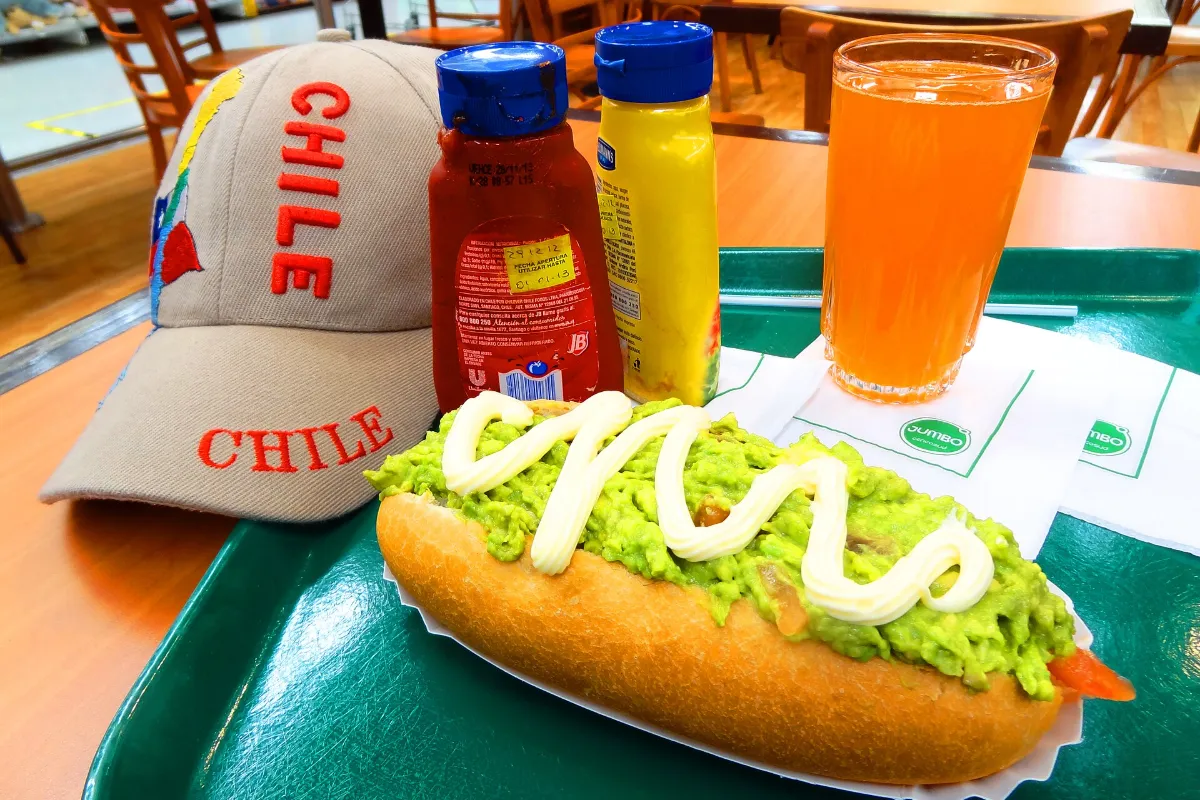
A hot dog in a bun
● Chile
Completo
🗣️ kohm-PLEH-toh
● Argentina
Pancho
🗣️ PAHN-choh
🌎 In Chile, the toppings on a completo vary depending on which version you order. In Spain, it’s perrito caliente, and in Venezuela, perro caliente.
Something to snack on and share
● Chile
Picoteo
🗣️ pee-koh-TEH-oh
● Argentina
Picada
🗣️ pee-KAH-dah
🌎 Depending on what’s served, you might hear tapas in Spain or botana in Mexico.
You’ll hear differences between Chilean and Argentine Spanish at bars and movie theaters, too. When you’re ready to pay, say «La cuenta, por favor» [lah KWEHN-tah pohr fah-BOHR] in either country. In Chile, you might hear a server called a garzón [gahr-SOHN]. Across the Andes, in Argentina, it’s mozo [MOH-soh]. Meanwhile, Spain uses camarero, and in Mexico, mesero.
Everyday words in Chilean and Argentine Spanish
These cards show some of the words you’re most likely to hear on either side of the Andes.
Transport, going out and money
City bus
● Chile
micro
🗣️ MEE-kroh
● Argentina
colectivo o micro
🗣️ koh-lehk-TEE-boh, MEE-kroh
🌎 Both terms are used in Argentina. bondi [BOHN-dee] is more informal. In Spain, you’ll hear autobús, and in Mexico, camión.
Going out at night
● Chile
carrete
🗣️ kah-RREH-teh
● Argentina
salir
🗣️ sah-LEER
🌎 In Spain, salir de fiesta. In Mexico, salir de antro.
Heavy traffic
● Chile
taco
🗣️ TAH-koh
● Argentina
mucho tránsito
🗣️ MOO-choh TRAHN-see-toh
🌎 In Spain, atasco. In Mexico, tráfico.
Right away
● Chile
al tiro
🗣️ ahl TEE-roh
● Argentina
enseguida
🗣️ ehn-seh-GEE-dah
🌎 In Spain, ahora mismo. In Mexico, ahorita.
A thousand pesos
● Chile
luca
🗣️ LOO-kah
● Argentina
luca
🗣️ LOO-kah
🌎 Both countries use the same word, but their pesos have different values.
People and expressions
Baby
● Chile
guagua
🗣️ GWAH-gwah
● Argentina
bebé
🗣️ beh-BEH
🌎 In both Spain and Mexico, you’ll hear bebé.
A kid or young person
● Chile
cabro, cabra
🗣️ KAH-broh, KAH-brah
● Argentina
pibe, piba
🗣️ PEE-beh, PEE-bah
🌎 In Spain, chaval. In Mexico, chavo.
Boyfriend or girlfriend
● Chile
pololo, polola
🗣️ poh-LOH-loh, poh-LOH-lah
● Argentina
novio, novia
🗣️ NOH-byoh, NOH-byah
🌎 In both Spain and Mexico, you’ll hear novio and novia.
Boring
● Chile
fome
🗣️ FOH-meh
● Argentina
aburrido
🗣️ ah-boo-RREE-doh
🌎 In Spain, un rollo. In Mexico, aburrido.
Do you get it?
● Chile
¿cachái?
🗣️ kah-CHYE
● Argentina
¿entendés?
🗣️ ehn-tehn-DEHS
🌎 In Spain, ¿entiendes?. In Mexico, ¿me entiendes?.
A kid from a well-off family
● Chile
cuico
🗣️ KWEE-koh
● Argentina
concheto
🗣️ kohn-CHEH-toh
🌎 In Spain, pijo. In Mexico, fresa.
Green bean
● Chile
poroto verde
🗣️ poh-ROH-toh BEHR-deh
● Argentina
chaucha
🗣️ CHOW-chah
🌎 In Spain, judía verde. In Mexico, ejote.
Awesome!
● Chile
¡bacán!
🗣️ bah-KAHN
● Argentina
¡bárbaro!
🗣️ BAHR-bah-roh
🌎 In Spain, ¡estupendo!. In Mexico, ¡qué padre!.
Chilean and Argentine Spanish at the bus stop
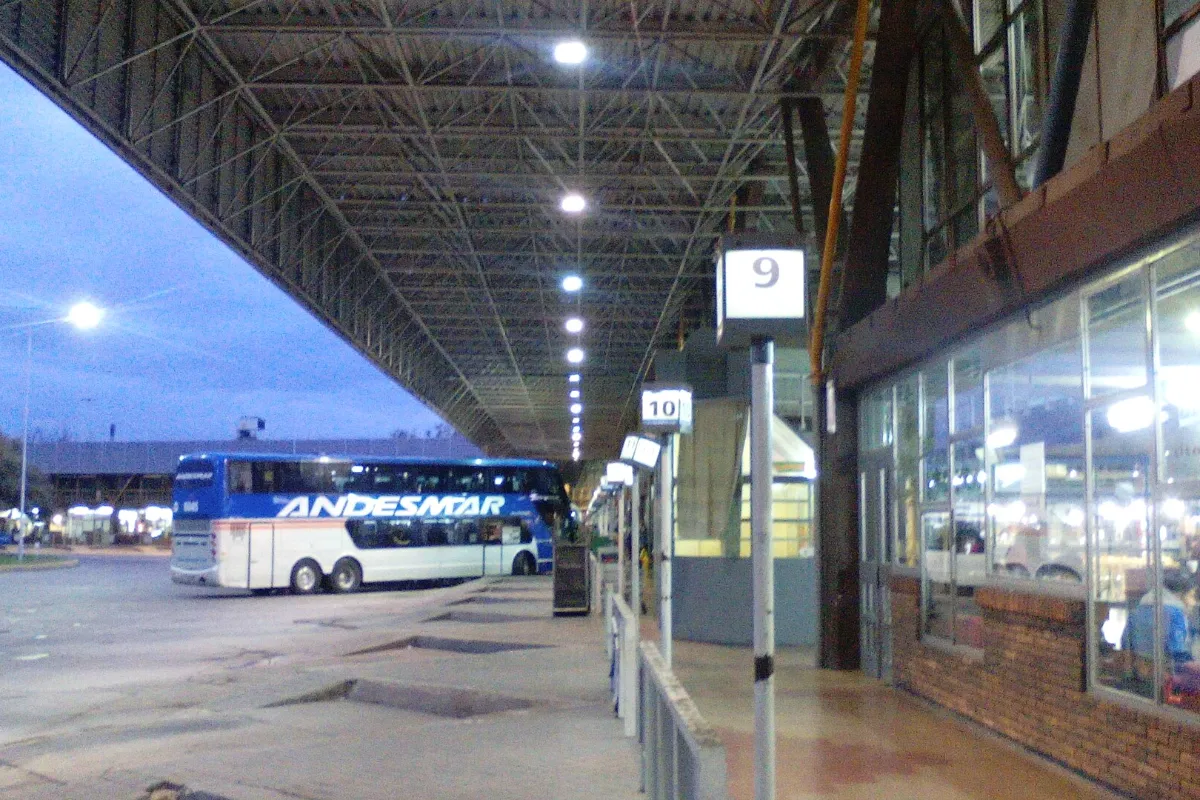
In Chile, la micro [lah MEE-kroh] is the city bus. In Argentina, it’s usually el colectivo [ehl koh-lehk-TEE-boh], though you’ll also hear the masculine el micro [ehl MEE-kroh] and the more informal bondi [BOHN-dee]. Argentines also commonly use micro for a long-distance bus. If you’re unsure, double-check where it’s going and where to get off. ASALE: micro · RAE: colectivo · Historical dictionary: bondi.
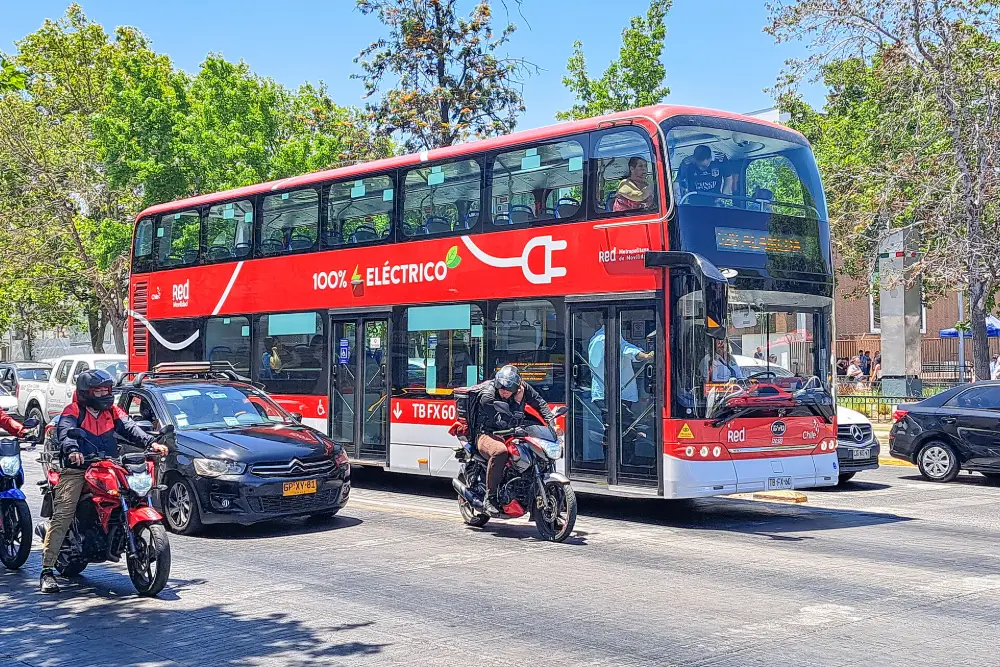
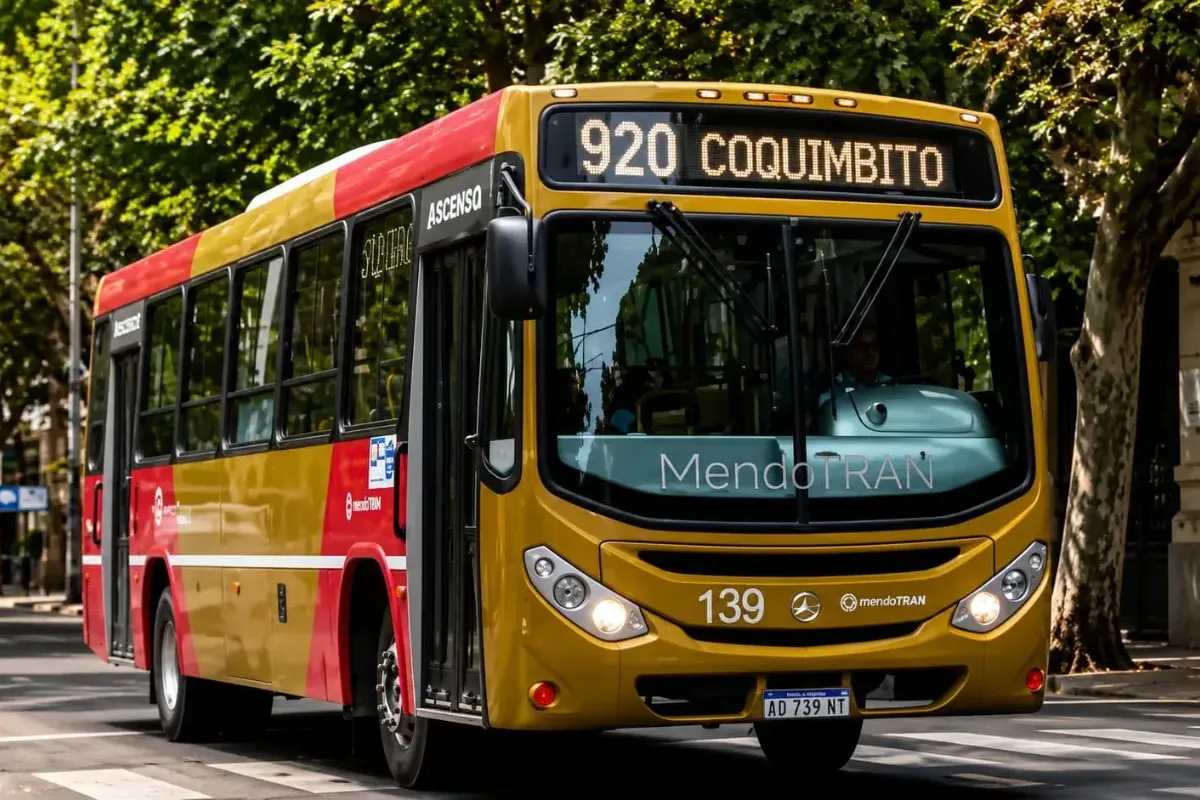
Here’s how that difference plays out when you’re catching a bus. In Chile, try «¿Esta micro pasa por la universidad?» [EHS-tah MEE-kroh PAH-sah pohr lah oo-nee-behr-see-DAHD]. In Argentina, try «¿Este colectivo pasa por la universidad?» [EHS-teh koh-lehk-TEE-boh PAH-sah pohr lah oo-nee-behr-see-DAHD]. If the answer is yes, ask «¿Dónde me bajo?» [DOHN-deh meh BAH-hoh]. If you’re heading to the Wine Route, save the exact address in Coquimbito so you can show it.
How to follow the group chat
The differences between the two varieties stand out in a group chat.
In Chile, «Voy al tiro» [boy ahl TEE-roh] means «I’ll be right there». If someone’s picking you up, ask «¿En cuántos minutos llegás?» [ehn KWAHN-tohs mee-NOO-tohs yeh-GAHS]. That’ll give you a rough idea of when to expect them. ASALE: al tiro.
In casual Chilean Spanish, ¿cachái? [kah-CHYE] can mean «Do you get it?» or be a quick way to check that you’re following along. If you lose track, you can say «¿Me explicás esa parte otra vez?» [meh ehks-plee-KAHS EH-sah PAHR-teh OH-trah BEHS] or «¿Me puedes explicar esa parte otra vez?» [meh PWEH-dehs ehks-plee-KAHR EH-sah PAHR-teh OH-trah BEHS]. ASALE: cachar.
What you’ll hear around the dinner table
In Chile, «Mi polola viene a cenar» [mee poh-LOH-lah BYEH-neh ah seh-NAHR] usually means «My girlfriend is coming over for dinner». If someone says they’ve lined up un pololo for the weekend and the conversation is about work, they may mean a short-term gig. ASALE: pololo and polola.
If someone says «La película estuvo fome» [lah peh-LEE-koo-lah ehs-TOO-boh FOH-meh], they thought the movie was boring. Aburrida works in both countries. So does «¿Cómo le dicen acá?» [KOH-moh leh DEE-sehn ah-KAH], a handy way to ask what people call something locally, whichever way you’re traveling. ASALE: fome.
Chilean and Argentine Spanish around town: carrete, taco and luca
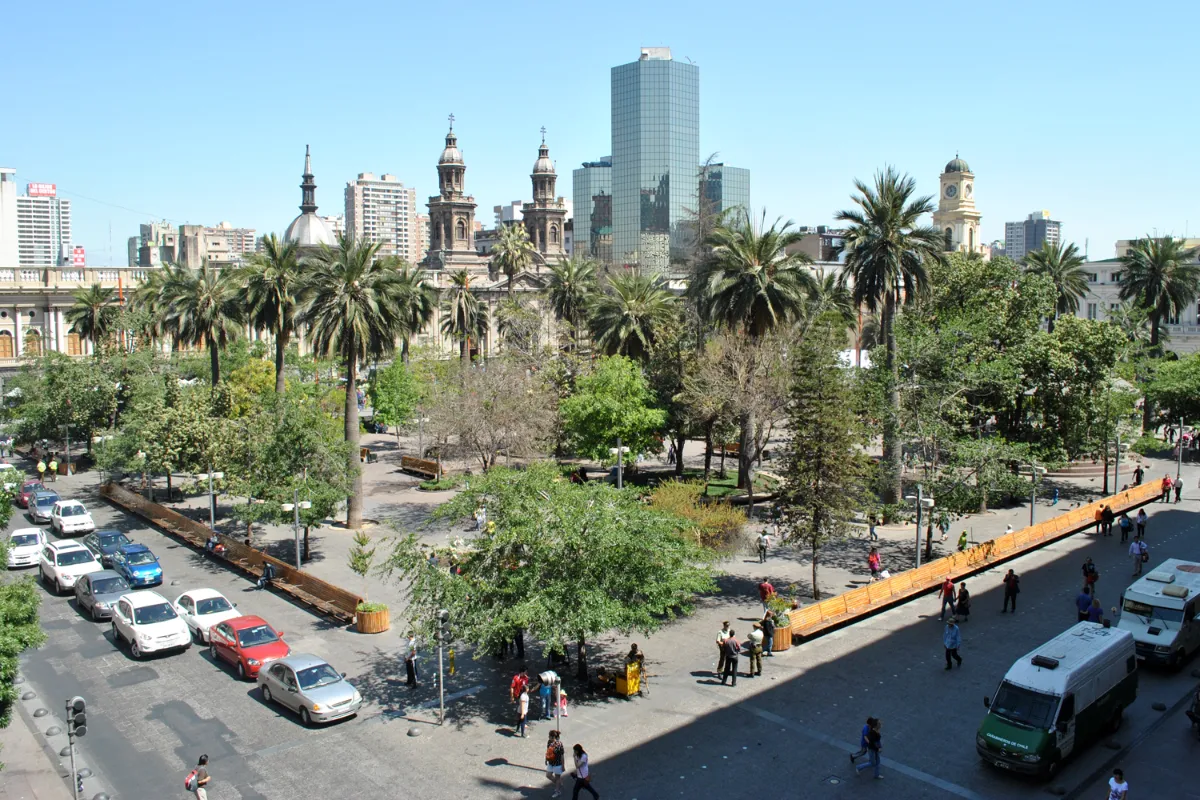
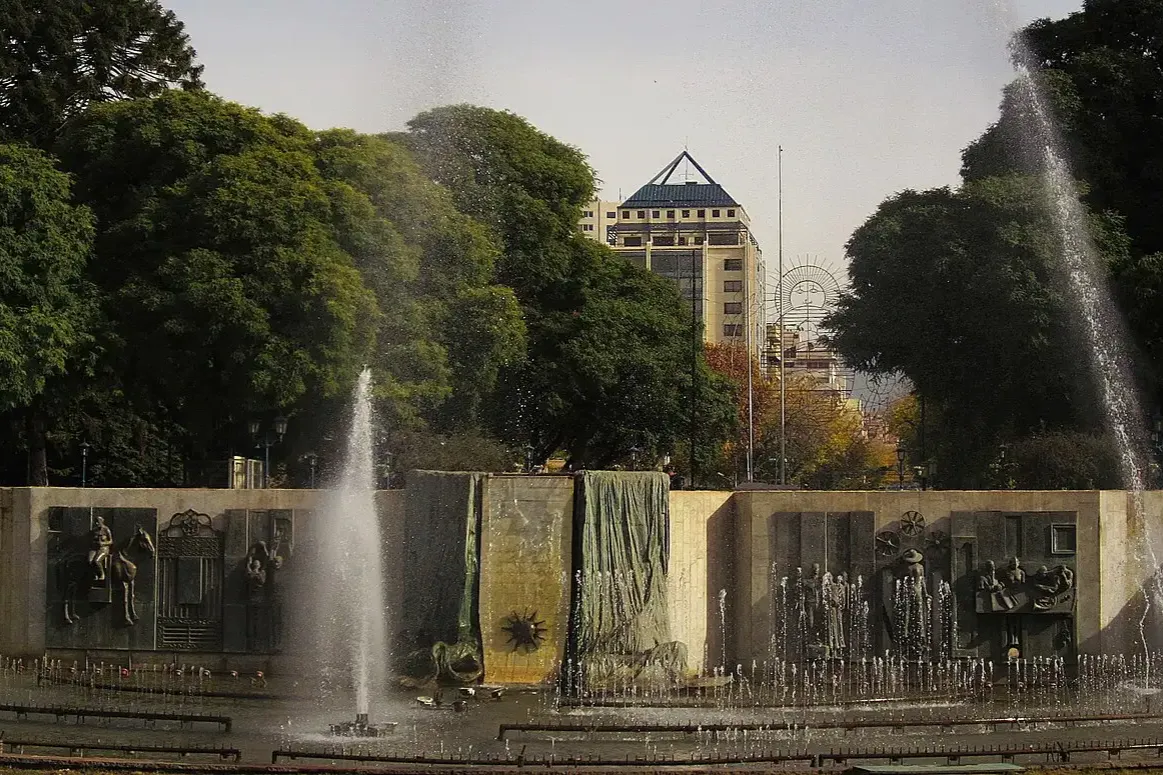
Carrete. [kah-RREH-teh] If someone in Santiago invites you to a carrete, they’re asking you to come out, usually at night. The Diccionario de americanismos describes it as a term used by young people in Chile. In Mendoza, the same invitation might sound like «¿Salimos esta noche?» [sah-LEE-mohs EHS-tah NOH-cheh].
Taco. [TAH-koh] In Chile, a taco is a traffic jam, as in «Hay mucho taco en la Alameda» [eye MOO-choh TAH-koh ehn lah ah-lah-MEH-dah]. In Argentina, you’ll hear «hay mucho tránsito» [eye MOO-choh TRAHN-see-toh] or «está todo trabado» [ehs-TAH TOH-doh trah-BAH-doh]. ASALE: taco.
Luca. [LOO-kah] Here’s one thing Chilean and Argentine Spanish have in common. In both countries, a luca means a thousand pesos. The value depends on which country’s pesos you’re talking about. Before you pay, check which currency the price is in. ASALE: luca.
From guagua to pibe
The words people use for babies and kids also change across the Andes.
In Chile, a guagua [GWAH-gwah] is a baby or a very young child. If you hear «La guagua está durmiendo» [lah GWAH-gwah ehs-TAH door-MYEHN-doh], that’s a good reason to lower your voice. In Argentina, you’re more likely to hear bebé [beh-BEH]. ASALE: guagua.
In Argentina, you’ll hear pibe [PEE-beh] or piba [PEE-bah] for a kid or a young person, as in «Es un pibe de la facultad» [ehs oon PEE-beh deh lah fah-kool-TAHD]. Young friends also use these words to address each other. In Chile, the informal equivalents are cabro and cabra [KAH-broh, KAH-brah]. ASALE: pibe.
How voseo sounds on each side of the Andes
In Argentina, vos is the usual informal way to say “you,” as in «¿Vos tenés el mapa?» [bohs teh-NEHS ehl MAH-pah] or «¿Querés venir?» [keh-REHS beh-NEER]. In casual Chilean speech, you’ll also hear verb forms like estái [ehs-TYE] or querís [keh-REES], often with the pronoun tú, as in «¿Tú querís ir?» [too keh-REES eer]. The way voseo sounds in Santiago and Mendoza is one of the most noticeable differences between Chilean and Argentine Spanish.
Feel free to stick with tú. People in both countries will understand you.
Chilean and Argentine Spanish when you cross the Andes
Crossing the border is a great chance to practice.
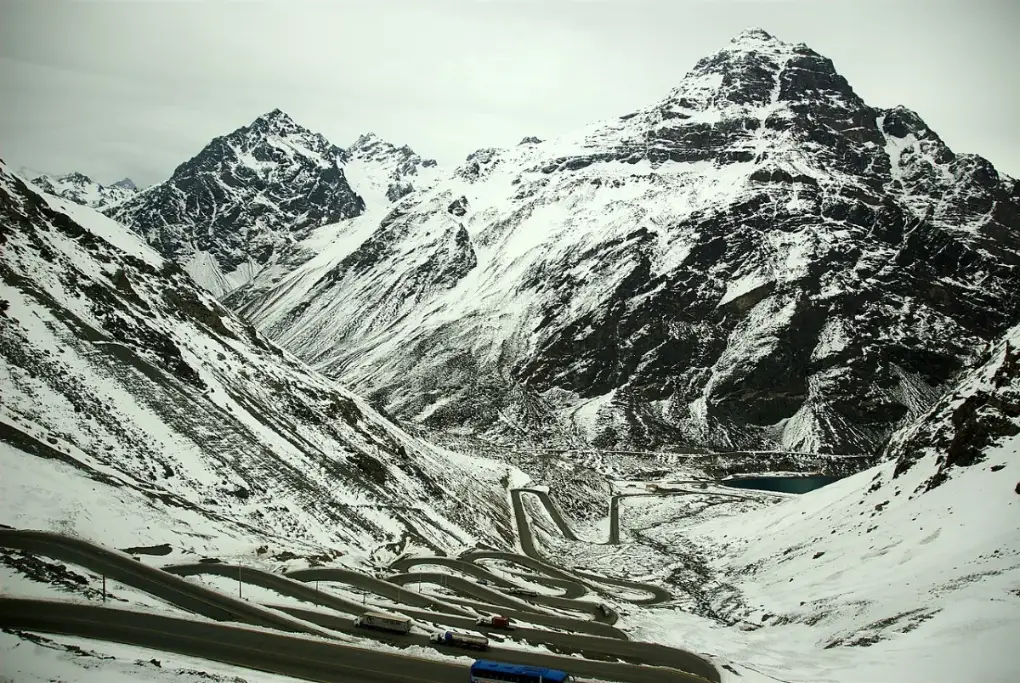
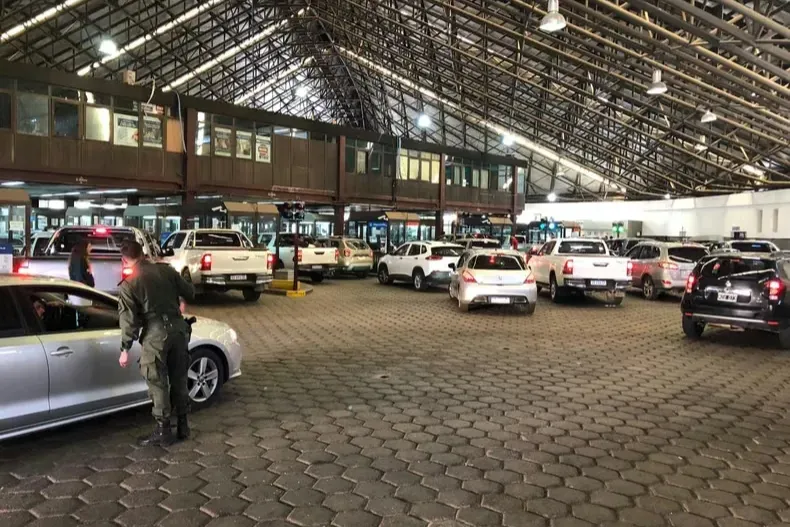
If you’re traveling from Santiago to Mendoza via Paso Cristo Redentor, you’ll start hearing different words as soon as you reach border control. These three questions will come in handy.
¿Dónde hago la migración?
🗣️ DOHN-deh AH-goh lah mee-grah-SYOHN
You’re asking where to go for passport control. In Chile, you’ll also hear «¿Dónde está la PDI?» [DOHN-deh ehs-TAH lah peh-deh-EE]. The PDI is the police agency that handles border checks.
¿Tengo que declarar esta comida?
🗣️ TEHN-goh keh deh-klah-RAHR EHS-tah koh-MEE-dah
You’re asking whether you need to declare the food you’re carrying. Fruit, meat, and dairy are commonly subject to checks.
¿A qué hora sale el micro para Mendoza?
🗣️ ah keh OH-rah SAH-leh ehl MEE-kroh PAH-rah mehn-DOH-sah
You’re asking when the long-distance bus leaves. In Spain, you’d say autocar. In Mexico, you’d say camión or autobús.
On the Argentine side, micro can mean a long-distance bus or a city bus, which most people call a colectivo. Once you’re in Mendoza, you can put what you’ve learned to use on your way to the wineries. Save the Maipu Bikes address in Coquimbito and ask at the stop «¿Este colectivo me deja en Coquimbito?» [EHS-teh koh-lehk-TEE-boh meh DEH-hah ehn koh-keem-BEE-toh].
FAQs about Chilean and Argentine Spanish
What does «al tiro» mean in Chile?
It means “right away.” «Voy al tiro» [boy ahl TEE-roh] means «I’m on my way now». It’s a Chilean expression and one of the differences you’ll quickly notice between the two countries. If you need a specific time, ask how many minutes away they are.
Do micro and colectivo mean the same thing?
In Chile, la micro is the city bus. In Argentina, people call a city bus colectivo or micro, and el micro can also mean a long-distance bus.
Is a luca worth the same in Chile and Argentina?
A luca means a thousand pesos in both countries. Chilean and Argentine pesos have different values, so always check which currency the price is in.
What’s a pololo?
In Chile, pololo or polola [poh-LOH-loh] means boyfriend or girlfriend. It’s a term that often surprises learners comparing Chilean and Argentine Spanish.
Will people understand the Spanish I learned in class?
Yes. The differences are mostly in everyday slang. If you don’t know the local word for something, ask «¿Cómo le dicen acá?» [KOH-moh leh DEE-sehn ah-KAH].
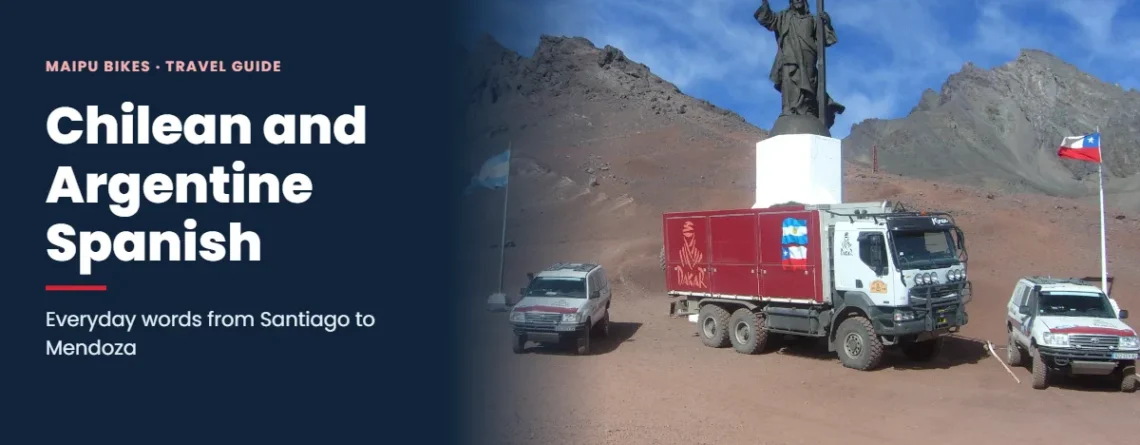
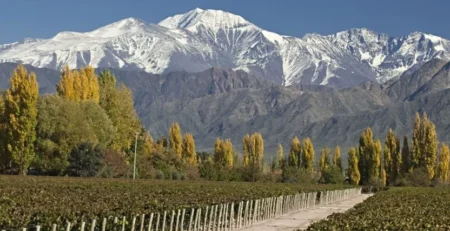
Cover photo: Dakar organization / Wikimedia Commons, CC BY-SA 3.0
Put your Spanish to use on the Wine Route
Rent a bike for a self-guided ride through Maipú’s wineries. Plan your own route or follow an itinerary we put together for you.
Self-Guided Wine Bike Tour
Self-guided bike rental
Bicycle, helmet, map and mechanical assistance. Choose your stops along the Maipu Bikes route and, if any require a reservation, we’ll send you the booking link. Wine tastings and meals are paid for separately. When you return, the Free Malbec Wine Happy Hour will be waiting for you.
Maipu Wine Bike Experience
Itinerary with coordinated reservations
Follow a scheduled itinerary while we coordinate the reservations: Trapiche, Entre Olivos, Viña El Cerno and a multi-course lunch at Mevi. Bicycle, helmet and assistance included. Finish with the Free Malbec Wine Happy Hour.




Deja una respuesta