


Santiago to Mendoza and Back: How to Cross the Andes by Bus, Car or Transfer
Santiago to Mendoza and Back: How to Cross the Andes by Bus, Car or Transfer
The trip from Santiago to Mendoza is one of South America’s most beautiful overland journeys. In just a few hours, you’ll leave Chile’s Central Valley, climb into the high Andes near Aconcagua and descend into Mendoza’s vineyards. You’ll also be crossing an international border high in the mountains, so it pays to plan ahead.
This guide covers both directions (Santiago–Mendoza and Mendoza–Santiago), whether you’re taking a bus, driving your own car or a rental, traveling by campervan or booking a private transfer.
The Cristo Redentor crossing: what you need to know
The usual route between Santiago and Mendoza is through Paso Internacional Cristo Redentor, also known in Chile as Los Libertadores. It’s the main land crossing between Mendoza and Chile. On the Argentine side, it’s managed by the Sistema Integrado Cristo Redentor.
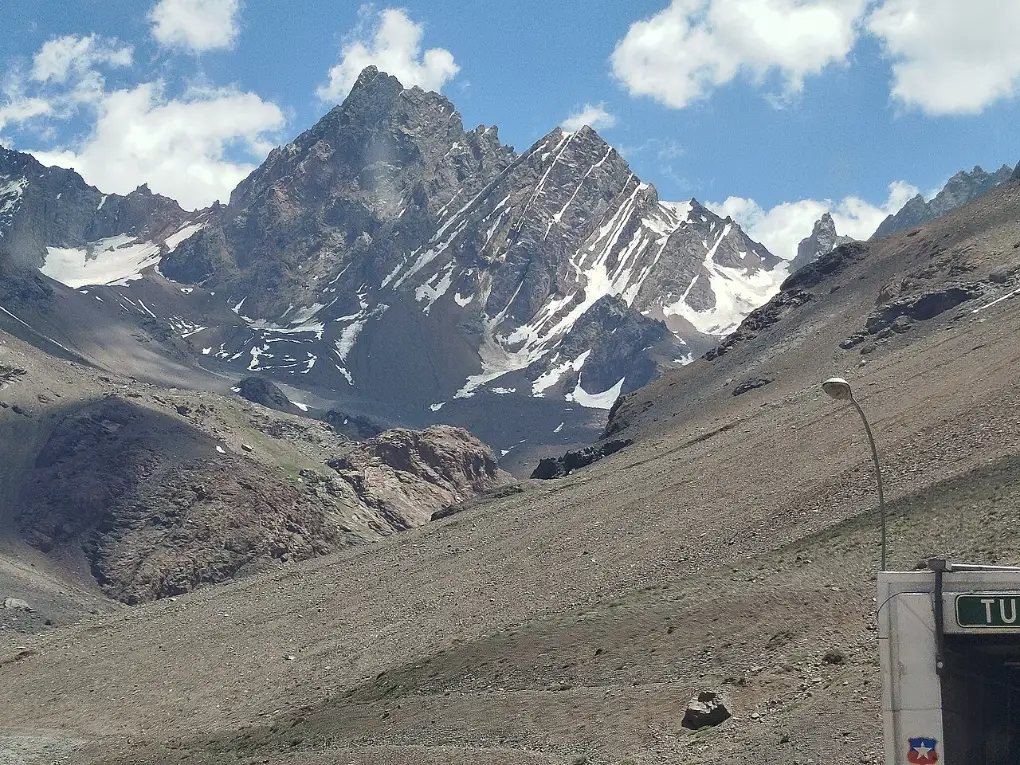
- Altitude: the road climbs above 3,000 meters. Some people get headaches or feel short of breath, so drink water and avoid alcohol before crossing.
- Border checks: both countries handle immigration and customs at border facilities. If you’re entering Argentina as a tourist, you’ll go through checks at the Horcones facility on the Argentine side.
- Opening hours: in the warmer months, the pass is usually open 24 hours a day. Winter hours are shorter, generally starting in June, with the gates closing in the afternoon.
- Closures: snow, storms or avalanche risk can close the pass overnight, even outside winter: high-mountain conditions can also bring traffic to a halt in spring.
Before you set off, always: check the official border crossing updates and the high-mountain forecast. The pass can close even when it’s scheduled to operate around the clock.
Five ways to travel between Santiago and Mendoza
| Option | Approximate travel time | Best for | What to keep in mind |
|---|---|---|---|
| Bus (coach) | 7 to 8 hours | Solo travelers or couples on a budget | Border delays are out of your hands |
| Your own car | About 5 to 7 hours, depending on the border and traffic | Anyone who wants to stop for photos | Vehicle paperwork and insurance |
| Rental car | Same as driving your own car | Groups splitting the cost | You’ll need a special permit from the rental company |
| Campervan | Slower, with stops | Longer trips through Argentina and Chile | Border-crossing permit, altitude and fuel |
| Private transfer | About the same as driving | Families and groups looking for a comfortable ride | Check that the operator is authorized for international trips |
You can also fly between Santiago and Mendoza. It’s faster and you won’t have to worry about the pass, but you’ll miss the mountain scenery.
From Santiago to Mendoza by bus
Several Argentine and Chilean bus companies run this route every day. In Santiago, most buses leave from Terminal Sur (Av. Libertador Bernardo O’Higgins 3850, next to the Universidad de Santiago metro station); in Mendoza, they arrive at Terminal del Sol. The trip usually takes 7 to 8 hours, depending on road conditions and the wait at the border.
Tips: book a window seat for the mountain views, pack something warm even in summer (it gets cold up there), bring a snack other than fresh fruit or vegetables and keep your passport handy. If the pass closes, the bus company will rebook or refund your ticket according to its policy, so check the terms when you book.
By car, your own or a rental
Driving gives you the freedom to pull over at viewpoints, but it takes more preparation: vehicle paperwork, the mandatory insurance for both countries and, in winter, snow chains. Fill up before heading into the mountains; on the Argentine side, you can do that in Mendoza or Uspallata. Fuel names vary: gasoline is called nafta in Argentina and bencinain Chile; diesel is gasoil in Argentina and petróleo or diésel in Chile.
If you’re renting, tell the company before you book. Companies that allow cross-border travel require a special permit: Avis Budget Chile, for example, asks you to request it 72 business hours in advance and issues it for up to 30 days. Also check which parts of your insurance coverage apply across the border.
By campervan
The same rules apply as for cars, with two extra points: take it slowly at altitude and on the bends on the Chilean side, and expect closer food checks if your fridge is full. Clear out fruit, vegetables and other fresh produce before you cross.
What documents to bring for each way of traveling
To cross the border, you’ll need a travel document that’s valid for your nationality (usually a passport) and you’ll need to meet each country’s entry requirements. Some nationalities need a visa: always check with the official immigration authorities of Argentina and Chile before you travel.
| How you’re traveling | In addition to your travel document |
|---|---|
| Bus or transfer | Your ticket and any food declaration required at the border. |
| Argentine car entering Chile | Vehicle paperwork, driver’s license, international third-party liability insurance (Carta Verde or Mercosur insurance) and SOAPEX, Chile’s mandatory insurance for vehicles with foreign plates, which you buy before entering. |
| Chilean car entering Argentina | Padrón (vehicle registration), circulation permit, valid roadworthiness inspection, driver’s license and international third-party liability insurance valid in Argentina. If the car isn’t yours, notarized authorization from the owner. On the Argentine side, temporary vehicle exit and entry are governed by Resolución General AFIP 5460/2023 (now ARCA); on the Chilean side, you can start the paperwork online on the Servicio Nacional de Aduanas website. |
| Rental car or campervan | Everything above, depending on the vehicle’s plates, plus the cross-border permit issued by the rental company. |
Requirements change, so use this table as a guide and confirm the details with your insurer, the rental company and the official authorities. For your health, it’s also worth traveling with travel insurance for Argentina.
Food checks: what you can and can’t bring
Chile and Mendoza are farming regions that take crop health very seriously, so food checks are thorough. That doesn’t mean everything is banned, but you do have to declare what you’re carrying.
From Mendoza to Santiago (entering Chile)
Everyone entering Chile must fill out the sworn declaration for SAG (Servicio Agrícola y Ganadero) and customs. You can do it online for free on the official SAG website, including for the Los Libertadores border facility. Fruit, fresh vegetables, seeds, honey and unprocessed meat are among the items you can’t bring in. Some processed foods, such as canned fruit or pickles, may be allowed if you declare them and the inspector approves.
Golden rule: when in doubt, declare it. Failing to declare risky products can lead to a fine.
From Santiago to Mendoza (entering Argentina)
Plant and animal products are also checked at the Argentine border. On top of that, Mendoza has its own rules: to protect crops from fruit flies, ISCAMEN (Instituto de Sanidad y Calidad Agropecuaria Mendoza) doesn’t allow fruit and vegetables that can host the pest, such as citrus, cherries, plums, apples or blueberries. You can bring meat, dairy, cold cuts and pickles in quantities for personal use, as long as you tell the inspector before the check.
Coming to Mendoza from another Argentine province? Agricultural checkpoints also operate at provincial borders: if you’re arriving from Córdoba, San Luis, San Juan or Neuquén, for example, you can’t bring those fruits and vegetables in either.
Weather, luggage and what to keep within reach
- Warm layers: even when it’s hot in Santiago and Mendoza, temperatures drop sharply in the Andes. In winter, it can be several degrees below freezing.
- Water and a snack: cookies or packaged snacks. Skip fresh fruit and sandwiches with vegetables.
- Documents within reach: don’t pack them in the suitcase that goes in the bus hold.
- Cash for both countries: a few Chilean and Argentine pesos for small expenses. We explain more in our guide to Argentina’s currency.
- Mobile coverage: signal is patchy in the mountains. Download offline maps and, when you arrive, check out our guide to SIM cards for tourists in Argentina.
- If you’re driving in winter: snow chains, a full tank and patience: there can be long lines at the border facilities.
What to do if the pass closes or you have an emergency
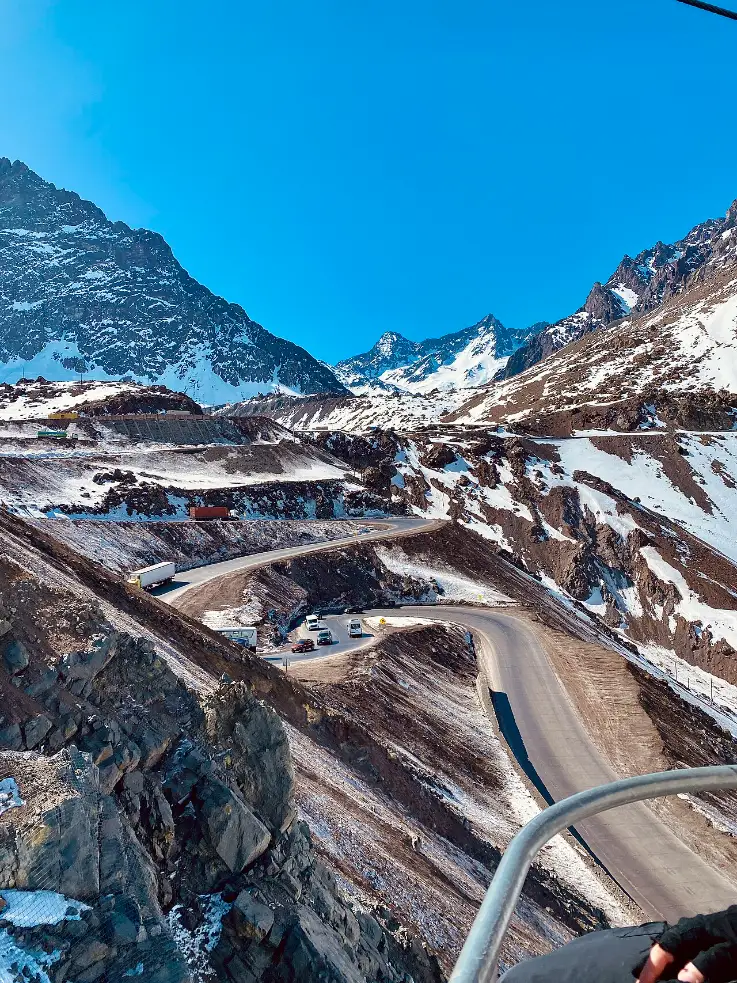
- If the pass closes: don’t try to push on. Wait in a town with services (Uspallata on the Argentine side, Los Andes on the Chilean side) and follow official updates. If you’re traveling by bus, check with the company.
- Leave some slack in your itinerary: don’t schedule a flight or a non-changeable activity in the hours after the crossing, especially between May and September.
- Emergencies: in Argentina, call 911. In Chile, Carabineros can be reached on 133.
- If you’re driving and the car breaks down: call your insurer or the rental company for help. Save those numbers before you leave.
Once you’re in Mendoza: what’s next
After several hours on the bus or the road, the Maipú Wine Route is a great plan for the next day: it’s close to the city, you ride it by bike at your own pace, and it combines wineries, olive groves and regional food. Here’s how to get to the Maipú Wine Route from downtown Mendoza.
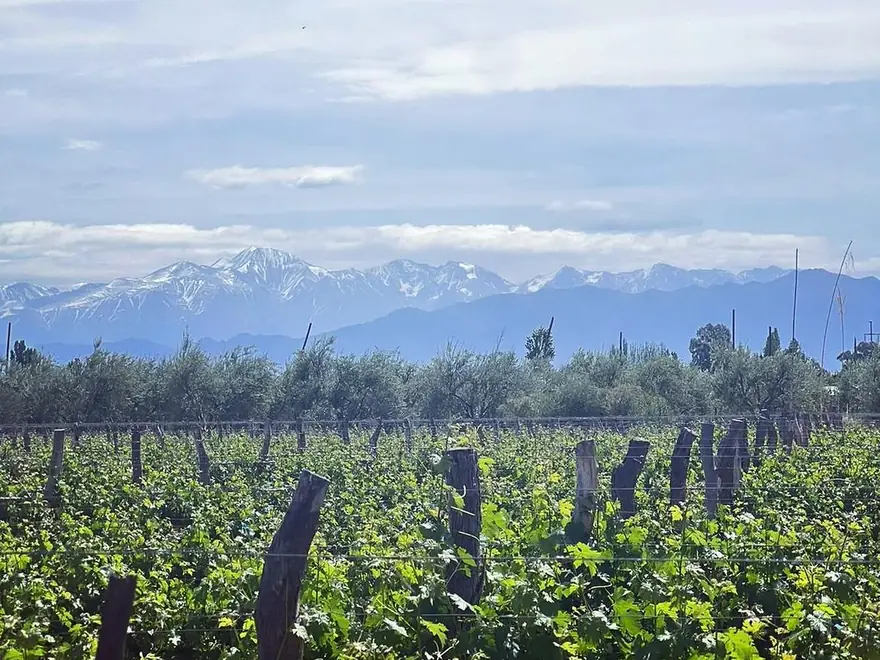
A tip: don’t ride on the same day you cross. Rest, drink plenty of water and head out the next morning, when it’s most enjoyable.
Frequently asked questions about traveling between Santiago and Mendoza
How long does the bus from Santiago to Mendoza take?
About 7 to 8 hours. It can take longer if the border is busy or the weather is bad in the mountains.
Is the Cristo Redentor crossing open all year?
It operates year-round, but snow, storms or avalanches can close it, especially in winter, when it also has shorter hours. Check its status before you set off.
Can I drive into Chile in a car rented in Argentina?
Only if the rental company allows it and gives you the corresponding exit permit. You’ll also need SOAPEX to drive in Chile.
Can I take wine from Mendoza to Chile?
Alcoholic drinks are subject to duty-free limits. Declare them and check the allowed amounts with Chilean customs before you travel.
Can I bring fruit on the bus?
Better not. Chile doesn’t allow fresh fruit in, and Mendoza doesn’t allow fruit and vegetables that can host fruit flies either.
After the crossing, a day on the Maipú Wine Route
Both options are self-guided. We recommend leaving a full day between arrival and departure so you can enjoy them without rushing.
Self-Guided Wine Bike Tour
Self-guided bike rental
Bike, helmet, map and mechanical assistance. You choose your stops within the Maipu Bikes circuit and, if any of them need a booking, we’ll send you the link. Tastings and meals are paid separately. When you get back, the Free Malbec Wine Happy Hour is waiting for you.
Maipu Wine Bike Experience
Itinerary with coordinated bookings
You follow a timed itinerary and we coordinate the bookings: Trapiche, Entre Olivos, Viña El Cerno and a multi-course lunch at Mevi. Bike, helmet and assistance included. To finish, the Free Malbec Wine Happy Hour.











Deja una respuesta