

Is Tap Water in Mendoza Safe to Drink?
Is Tap Water in Mendoza Safe to Drink?
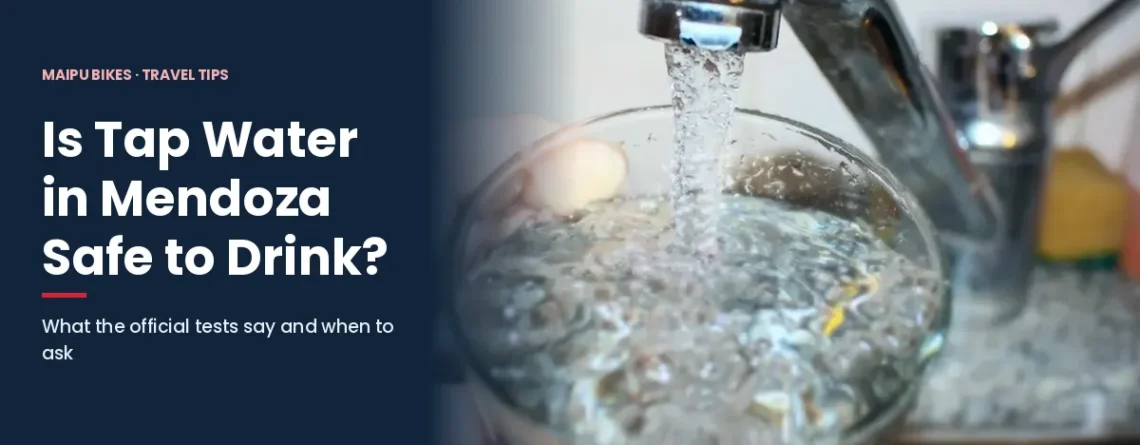
We get this question at our bike rental shop almost every day: is tap water in Mendoza safe to drink? The short answer is yes. In the city and most residential neighborhoods, mains tap water is safe to drink and is tested every month. The longer answer comes with a few things worth knowing, especially if you’re staying in a rural area.
And there’s one rule with absolutely no exceptions: never drink water from the irrigation canals. Not when you’re thirsty, not after three glasses of wine, and not even «just a little sip.»
Tap Water in Mendoza: What Do the Tests Show?
In Greater Mendoza and much of the province, mains water is treated and distributed by AYSAM, the provincial water and sanitation company. Its laboratories collect samples from treatment plants, storage reservoirs, and the distribution network.
To give you an idea, in its May 2026 bacteriological water quality report, AYSAM analyzed 405 samples. The few cases that showed deviations were listed as corrected, with final water quality reported as normal across all areas.
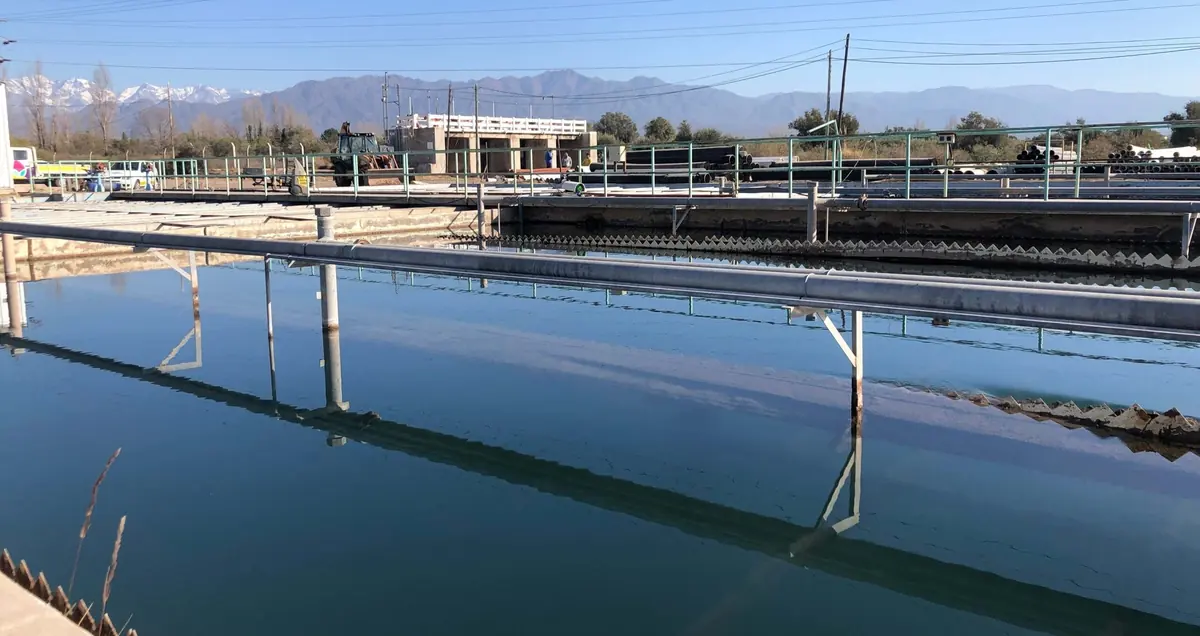
Independent oversight is carried out by the Departamento General de Irrigación, which has regulated drinking water services in the province since 2025.
Where Does Your Drinking Water Come From?
Mendoza is an oasis in the middle of an arid region. Its water comes from the Andes Mountains, where melting snow and glaciers feed the rivers. The water then passes through treatment plants before reaching your tap.
That’s why tap water in Mendoza is usually cool and refreshing, although it sometimes has a slight chlorine taste. Chlorine is actually part of what makes the water safe to drink. If you don’t like the taste, leave a jug of water in the fridge for a while to help mellow it out.
Tap Water in Mendoza: City, Neighborhoods, and Rural Areas
In hotels, hostels, and apartments connected to the mains water supply, you can safely fill your water bottle. The same generally applies to restaurants and wineries, although they usually offer bottled water as well.
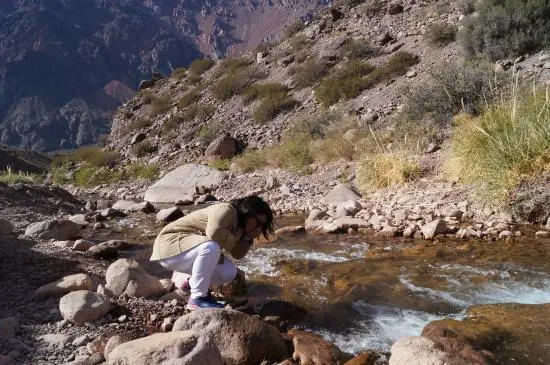
Things can be different with tap water in Mendoza’s more remote or rural areas. Water there may come from a well, a borehole, or a small local provider. That doesn’t necessarily mean it’s unsafe, but you can’t tell whether it’s safe to drink just by looking at it.
If you’re staying at a vineyard property, cabin, or country house, here’s what to do:
- Ask your host whether the property uses mains water and whether they drink it themselves.
- If you’re unsure, use bottled water for drinking and brushing your teeth.
- For cooking, boiling the water for one minute is a simple precaution.
- Look out for signs saying «agua no potable» (not drinking water) on taps in gardens or rural bathrooms.
Tap Water in Mendoza: Maipú and the Wine Route
In Maipú, the water supply system is a little more varied. Alongside AYSAM, the Municipality of Maipú operates its own drinking water service, making it one of the few municipalities in the province to do so. In some areas, water is supplied by cooperatives or neighborhood associations. Coquimbito, for example, has a rural public services cooperative.
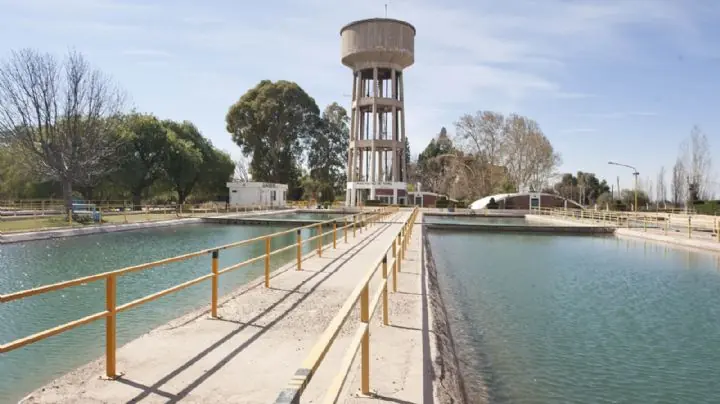
What does that mean for you? Water in homes, wineries, and restaurants connected to a treated water supply is safe to drink, but at farms or country houses it may come from a private borehole. If you’re not sure, just ask. It’s a perfectly normal question around here, and nobody will be offended.
- Leave your accommodation with a full water bottle.
- At wineries and restaurants, you can always ask for water.
- Scheduled water outages: from time to time, AYSAM announces temporary water shutoffs for maintenance or construction work in Greater Mendoza. If one is announced, it’s a good idea to keep some extra water at your accommodation.
| Where You Are | Can You Drink the Tap Water? |
|---|---|
| Hotel, hostel, or apartment connected to mains water | Yes, you can fill your water bottle |
| Restaurants and wineries | Generally yes; bottled water is usually available too |
| Farm, cabin, or rural area | Ask first: the water may come from a well or small local provider |
| Irrigation canal | Never: this water is not safe to drink |
Irrigation Canals vs. Tap Water in Mendoza: Know the Difference
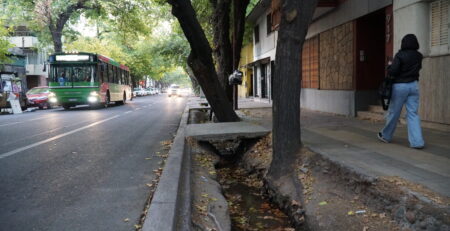
The irrigation canals, known locally as acequias, run alongside Mendoza’s streets and help keep the city’s trees green and shady. They’re an important part of Mendoza’s identity, but the water flowing through them is meant for irrigation. It’s completely different from tap water in Mendoza, which goes through drinking water treatment plants.
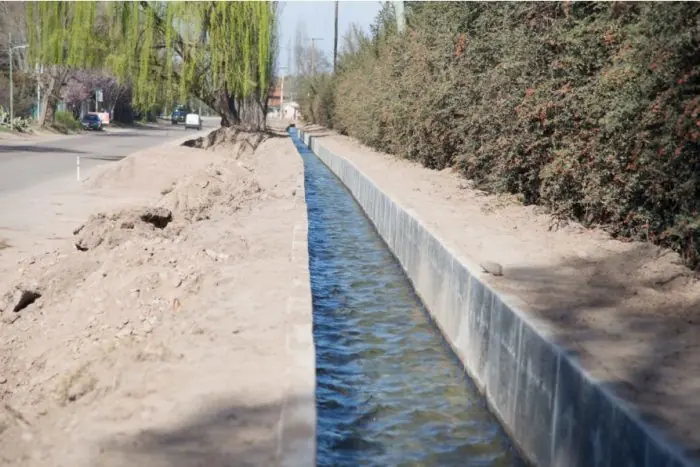
The water in these canals is untreated and can carry dirt, leaves, and anything else washed in from the street. Don’t drink it, don’t fill your bottle from it, and don’t splash it on your face after cycling. Don’t use it to rinse a wound, either. Use clean drinking water and soap instead.
Staying Hydrated on the Wine Route
Mendoza’s dry climate can be deceptive. Sweat evaporates quickly, so you might not realize how much water you’re losing. If you’re cycling between wineries, staying hydrated is just as important as wearing a helmet.
- Start with a full water bottle. Tap water in Mendoza is suitable for refilling it.
- Drink a glass of water between wine tastings.
- In summer, take an occasional break in the shade.
If you want to make sure you’ve packed everything, check out our list of what to bring when cycling between wineries.
Frequently Asked Questions About Tap Water in Mendoza
Is tap water in Mendoza safe to drink?
Yes. In the city and areas connected to the treated water supply, tap water is safe to drink, and AYSAM carries out monthly quality tests.
Can I drink the tap water at my hostel?
Generally, yes, as long as it’s connected to the mains water supply. If you’re unsure, just ask at reception.
What about water from the irrigation canals?
Never drink it. It’s untreated irrigation water that may contain dirt, waste, and bacteria.
Do I need to buy bottled water?
Not in the city. Bottled water can be useful in rural areas with well water, or if your stomach is sensitive to changes in drinking water.
Fill Your Water Bottle and Get Cycling
Both experiences are self-guided. Start with a full water bottle and drink water between tastings.
Self-Guided Wine Bike Tour
Self-Guided Bike Rental
Bike, helmet, map, and mechanical assistance included. Choose your own stops along the Maipu Bikes route, and if a winery requires a reservation, we’ll send you the booking link. Wine tastings and meals are paid separately. When you return, the Free Malbec Wine Happy Hour awaits.
Maipu Wine Bike Experience
Itinerary with Prearranged Reservations
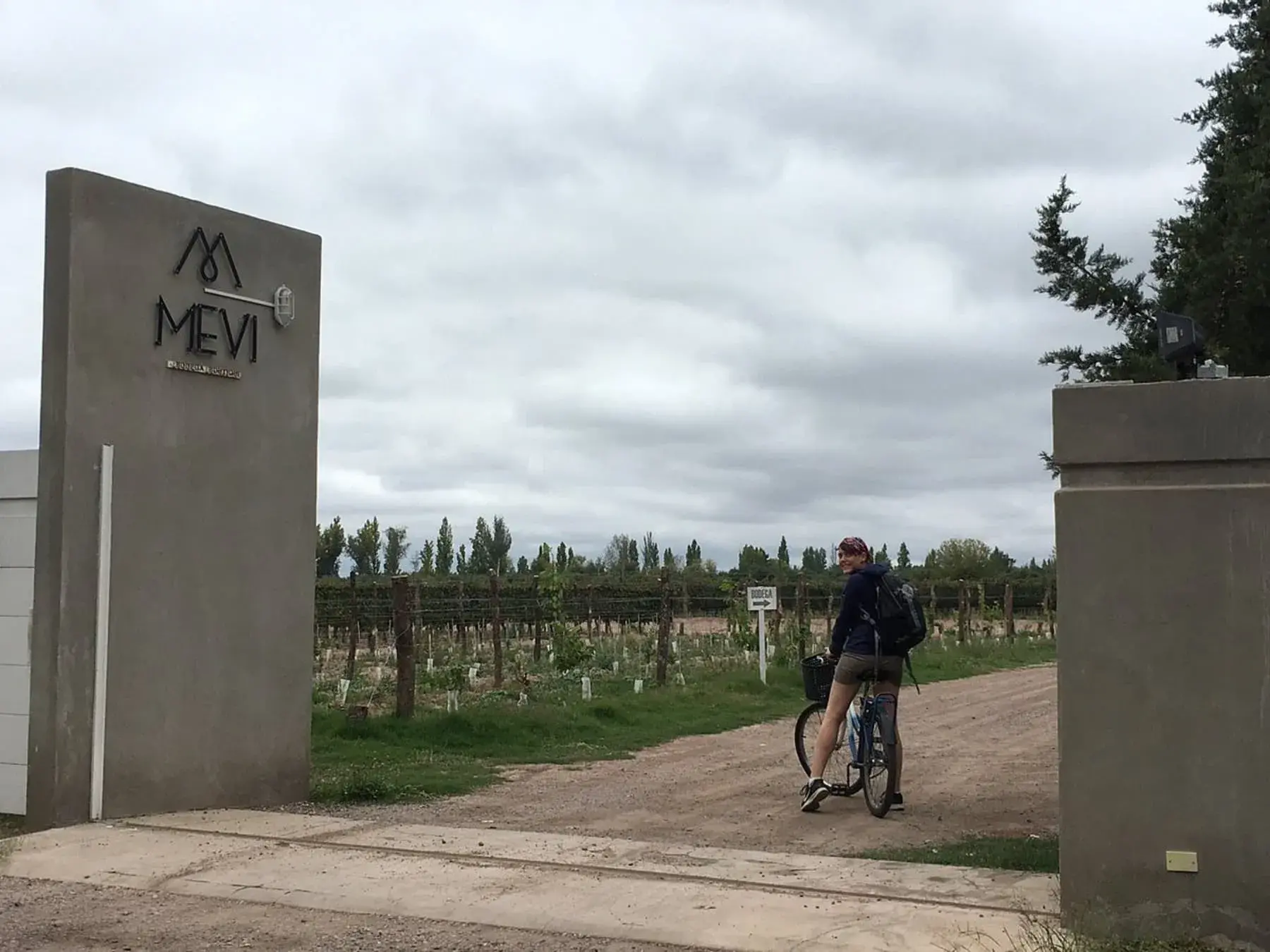
Follow a scheduled itinerary while we coordinate your reservations: Trapiche, Entre Olivos, Viña El Cerno, and a multi-course lunch at Mevi. Bike, helmet, and assistance included. Finish your day with the Free Malbec Wine Happy Hour.




Deja una respuesta