


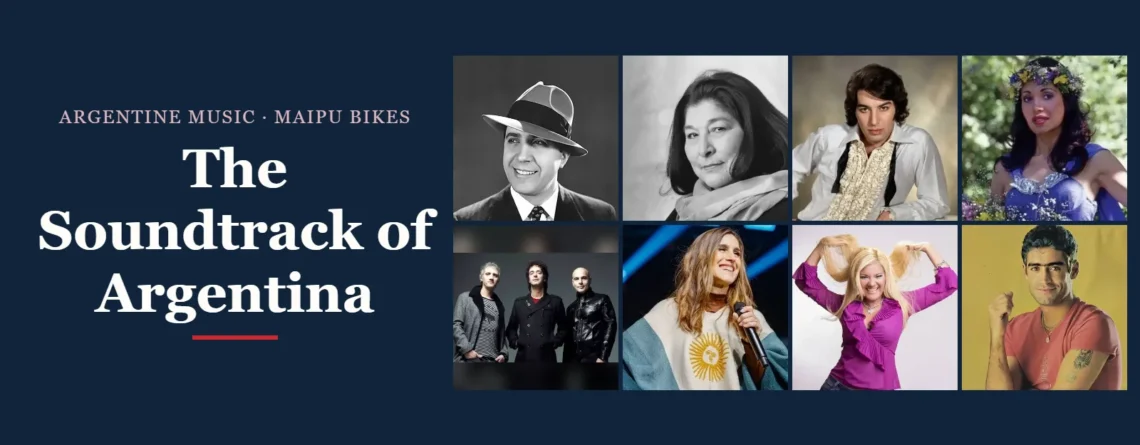
The Soundtrack of Argentina: a guide to understanding what you are hearing
The soundtrack of Argentina: a guide to understanding what you are hearing
In Argentina you can go from a tango to a cumbia in the same night. A Charly García song sparks an impromptu sing-along in a bar, a Rodrigo track fills the dance floor at a wedding, and a zamba sung by Mercedes Sosa leaves the whole table in silence. Understanding that mix is also a way of getting to know the country.
Argentine music is best learned by listening to what people sing, what they dance to and which names they remember fondly. It also has regional traditions, urban scenes and artists who bridge generations. In this guide we explain its main genres, its great names and where to start listening.
So you can do more than just read about it, we put together playlists by genre on Spotify, YouTube and YouTube Music. They are made for travelers from all over the world: play them in the car, at the hostel or while you ride among the vineyards of the Maipú Wine Route.
Argentine music genres at a glance
To understand Argentine music, regions help you place the origins and rhythms, but then the songs travel. People dance to cuarteto in Mendoza, folk peñas pop up in Buenos Aires and rock has fans all over the country. This table brings together the Argentine music artists you will hear about most often in each genre. It is not a closed list: it is a map to start recognizing voices.
Tango, folk and dance rhythms
| Genre | Artists to know | Listen for |
|---|---|---|
| Tango | Carlos Gardel, Aníbal Troilo, Osvaldo Pugliese, Juan D’Arienzo, Carlos Di Sarli, Francisco Canaro, Astor Piazzolla, Edmundo Rivero, Hugo del Carril, Tita Merello, Libertad Lamarque, Mariano Mores, Roberto Goyeneche, Julio Sosa, Susana Rinaldi, Jorge Falcón, Bajofondo | The voice, the bandoneón and the different ways of marking the beat. |
| Folk | Atahualpa Yupanqui, Mercedes Sosa, Jorge Cafrune, Los Chalchaleros, Los Fronterizos, Eduardo Falú, Horacio Guarany, Ariel Ramírez, Los Nocheros, Chaqueño Palavecino, Soledad, Peteco Carabajal, León Gieco, Teresa Parodi, Jorge Rojas | The guitar, the bombo legüero drum and the ways of telling the story of a place. |
| Cumbia | Gilda, Gladys «La Bomba Tucumana», Lía Crucet, Ricky Maravilla, Alcides, Pocho La Pantera, Grupo Sombras, Ráfaga, Los Palmeras, Antonio Ríos, Amar Azul, La Nueva Luna, Commanche, Ke Personajes, La Delio Valdez, Damas Gratis, Yerba Brava, Los Pibes Chorros | The dance beat, the keyboards and the stories of love and neighborhood life. |
| Cuarteto | Cuarteto Leo, La Mona Jiménez, Rodrigo, Walter Olmos, Chébere, Trulalá, Sabroso, La Banda de Carlitos, Jean Carlos, Damián Córdoba, Ulises Bueno, La K’onga, Q’ Lokura, Eugenia Quevedo, Desakta2, Luck Ra | The «tunga tunga» and the energy of Córdoba’s dance halls. |
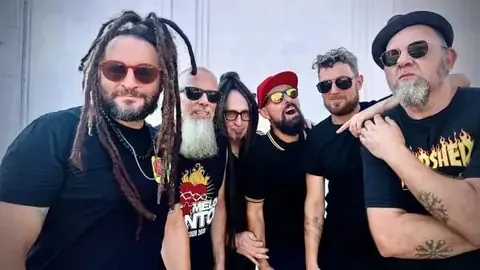
| Mendoza | Hilario Cuadros y Los Trovadores de Cuyo, Félix Dardo Palorma, Tito Francia, Pocho Sosa, Antonio Tormo, Los Enanitos Verdes, Karamelo Santo | Cuyo’s tonada and cueca, and the rock that came out of the province. |
Rock, pop, urban music and ballads
| Genre | Artists to know | Listen for |
|---|---|---|
| Rock | Los Gatos, Manal, Almendra, Luis Alberto Spinetta, Sui Generis, Serú Girán, Charly García, Pappo, Riff, Virus, Soda Stereo, Gustavo Cerati, Sumo, Los Redondos, Fito Páez, Andrés Calamaro, Los Fabulosos Cadillacs, Divididos, La Renga, Babasónicos | The lyrics, the shifts in sound and the choruses sung like chants in a football stadium. |
| Pop | Pimpinela, Ricardo Montaner, Diego Torres, Marcela Morelo, Axel, Patricia Sosa, Abel Pintos, Luciano Pereyra, Coti, Miranda!, Tan Biónica, Airbag, Lali, Tini, María Becerra, Emilia, Nathy Peluso | Catchy melodies and collaborations across generations. |
| Rap & trap | Duki, WOS, Trueno, Paulo Londra, Nicki Nicole, Bizarrap, Khea, Cazzu, Tiago PZK, YSY A, Dillom, Milo J, L-Gante, La Joaqui, Ca7riel & Paco Amoroso | The flow, the beats and the pulse of freestyle battles. |
| Nueva Ola / Club del Clan | Palito Ortega, Violeta Rivas, Johnny Tedesco, Chico Novarro, Raúl Lavié, Jolly Land, Lalo Fransen, Nicky Jones, Estela Raval y Los Cinco Latinos, Billy Cafaro, Leo Dan, Luis Aguilé, Juan Ramón, Lolita Torres | Sixties rock and roll and ballads, sung in Spanish. |
| Romantic ballads | Sandro, Leonardo Favio, Paz Martínez, María Martha Serra Lima, Cacho Castaña, Valeria Lynch, Alejandro Lerner, Sergio Denis, Jairo, Diego Verdaguer, Amanda Miguel, Ricardo Ceratto | The ballads that played on the radio and are still sung at any get-together. |
Each section of this guide has its own playlist. They are all in English, so you can share them with friends from anywhere.
Tango: Argentine music from the dance floor to experimentation
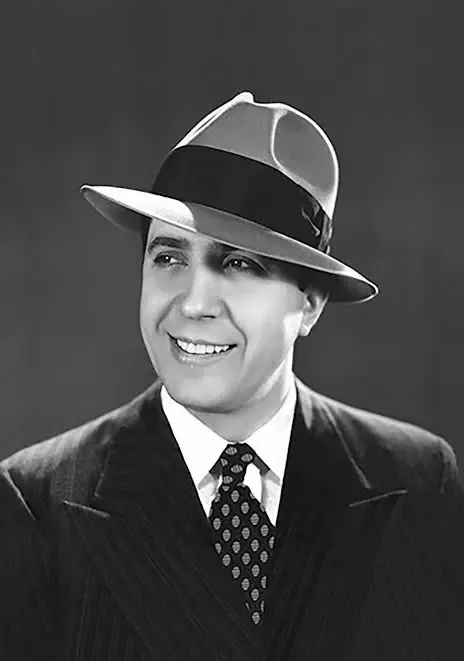
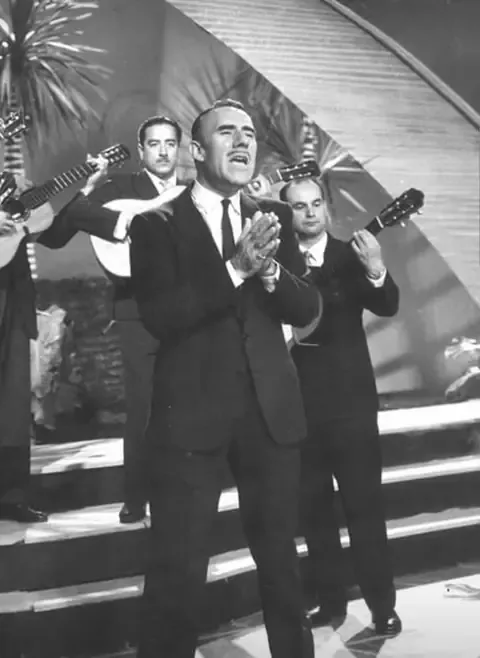
Tango is the best-known Argentine music genre in the world. It was born in the late 19th century in the outskirts of Buenos Aires and Montevideo, from a mix of European immigrants, criollos and Afro-descendants. It began as dance music; with Carlos Gardel it also became song. That is why his voice is still the benchmark of the genre: listen to «Por una cabeza» or «Mi Buenos Aires querido» and notice how he stretches a phrase without losing his conversation with the listener.
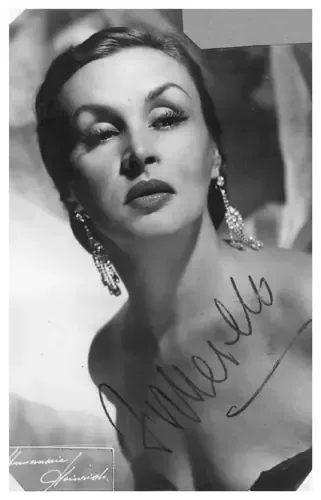
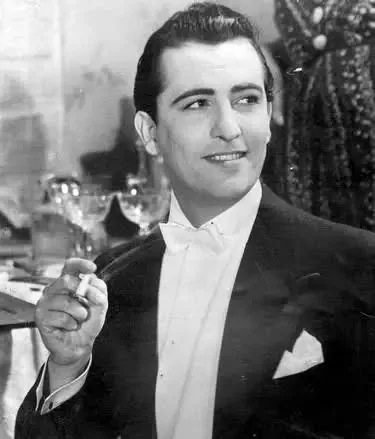
The golden age of the orchestras
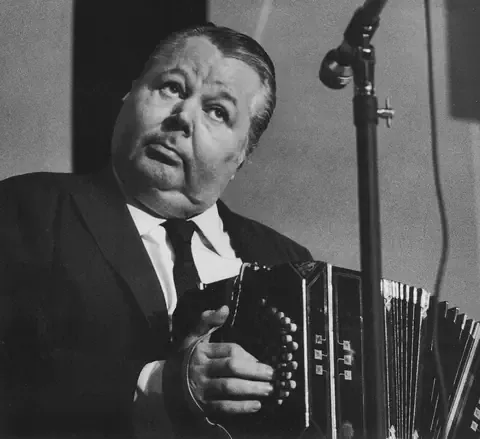
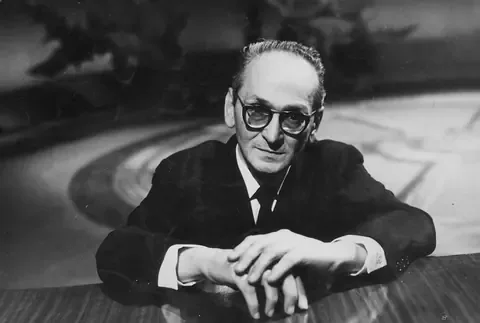
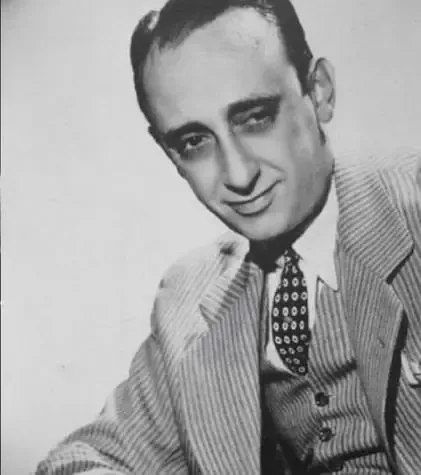
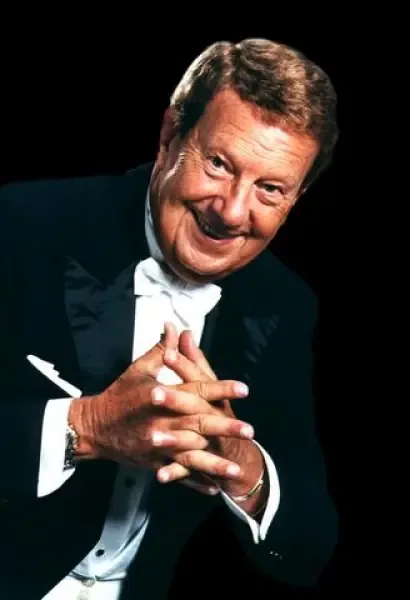
The 1940s were the golden age of the big orchestras. Aníbal Troilo, Osvaldo Pugliese, Juan D’Arienzo and Carlos Di Sarli show different ways of combining melody and dance: D’Arienzo keeps time like a clock, Pugliese builds tension and Di Sarli sounds elegant and smooth. Try «Sur», by Troilo, and «La yumba», by Pugliese. In fact, those recordings are still danced to in today’s milongas.
Piazzolla and the new tango
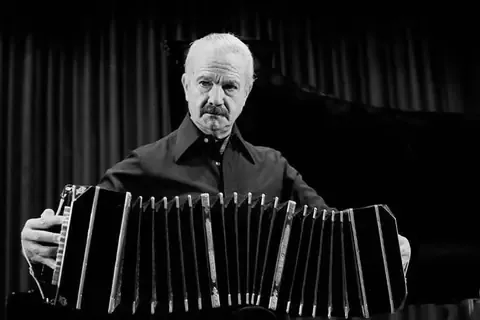
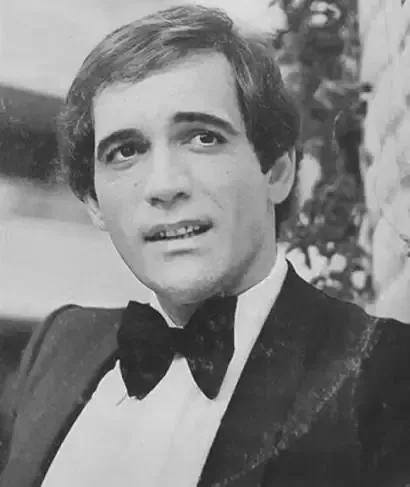
From the 1950s on, Astor Piazzolla took that tradition toward jazz and concert music. «Libertango» and «Adiós Nonino» are perfect entry points. Later, Bajofondo and Gotan Project blended tango with electronic music. Among the singers, don’t miss Roberto Goyeneche, Julio Sosa, Susana Rinaldi or Jorge Falcón.
Folk: Argentine music that tells the story of the country
Folk music is the root of Argentine music: it brings together zambas, chacareras, chamamés, cuecas, tonadas, carnavalitos and many other forms, each with its own history. Every region has its own sound: the north, with the bombo legüero and Andean wind instruments; the Litoral, with the accordion of chamamé; Cuyo, with the guitar of the tonada and the cueca. That is why a peña is the best way to experience it, among empanadas, wine and handkerchiefs waving to the zamba.
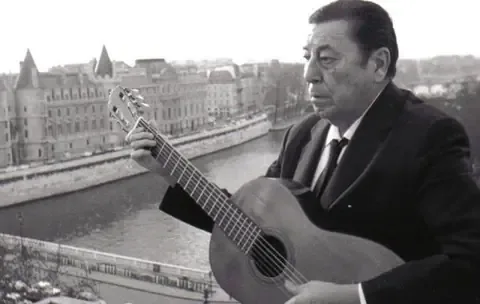
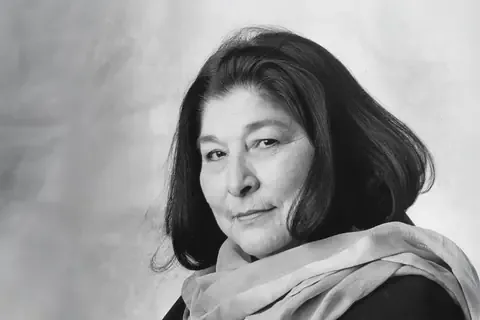
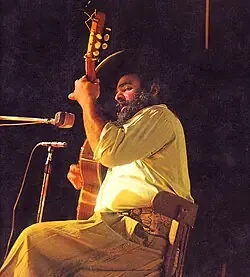
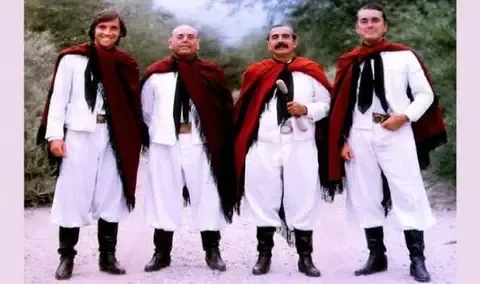
Atahualpa Yupanqui invites you to pause on the bond between words and guitar. Jorge Cafrune brings a voice with huge presence, and Los Chalchaleros and Los Fronterizos took group singing all over the country. Listen to «Los ejes de mi carreta», by Yupanqui, and «Zamba de mi esperanza», by Cafrune, to notice how much the way of storytelling changes.
Mercedes Sosa and the Nuevo Cancionero
Mercedes Sosa opened the repertoire to all of Latin America. Her voice carries both «Alfonsina y el mar», by Ariel Ramírez and Félix Luna, and «Gracias a la vida», by Chilean songwriter Violeta Parra. The Nuevo Cancionero movement, whose manifesto was presented in Mendoza in 1963, is a fundamental part of that story.
Soledad Pastorutti, «La Sole», brought folk music closer to young people, twirling her poncho at festivals. Alongside her, Los Nocheros, Chaqueño Palavecino, Jorge Rojas, Peteco Carabajal and Abel Pintos keep the genre alive in stadiums and at festivals such as Cosquín.

Argentine rock: music that sparks conversation
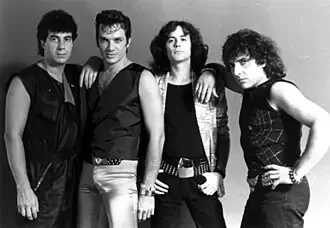
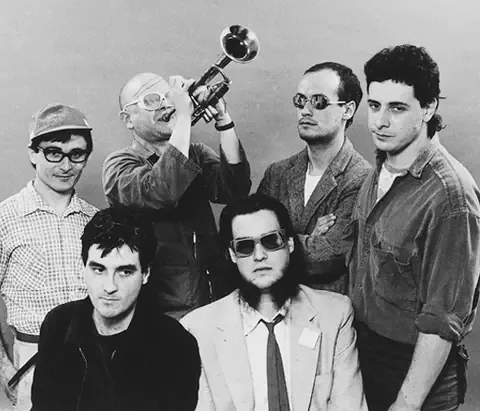
Rock is one of the richest chapters of Argentine music. So-called «rock nacional» was born in the 1960s, when bands like Los Gatos, with «La balsa», and Manal began singing rock in Spanish. Since then it has gathered decades of songs, musical searches and ways of looking at everyday life. Listening to Argentine rock means going from an acoustic song to a piece with complex harmonies, from synth-pop to a concert sung like a football match.
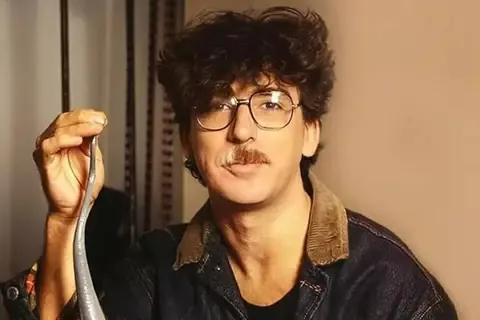
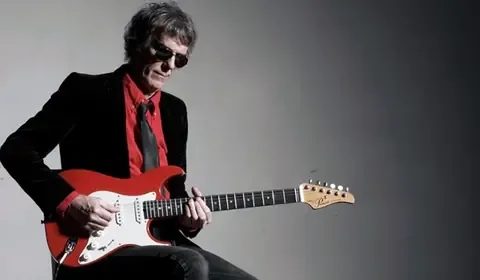
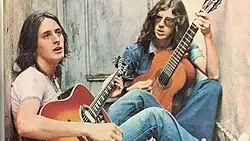
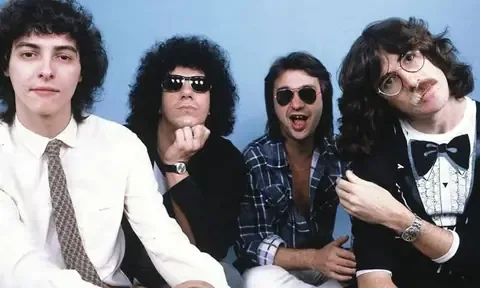
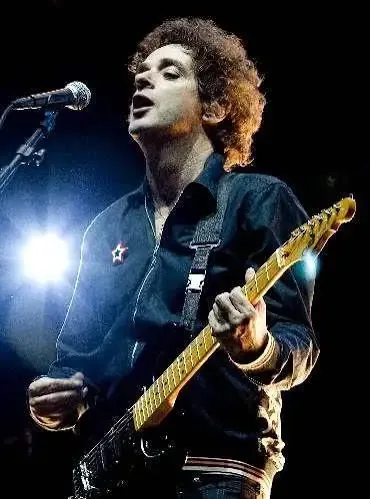
Charly García went through Sui Generis, La Máquina de Hacer Pájaros and Serú Girán before a long solo career. At the same time, Luis Alberto Spinetta created his own worlds with Almendra, Pescado Rabioso and Invisible. Pappo, with Pappo’s Blues and Riff, brought heavy guitar and blues. To start, try «No voy en tren», by Charly, and «Muchacha (ojos de papel)», by Almendra.
From Soda Stereo to the stadiums
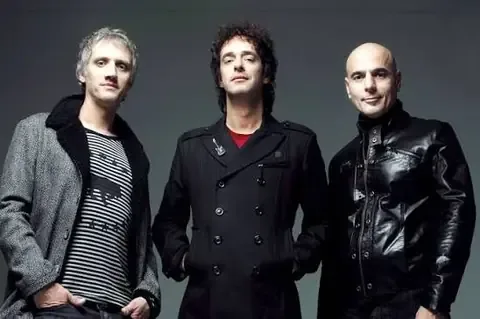
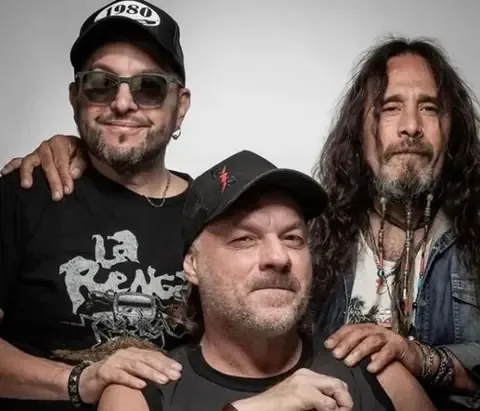
In the eighties, Soda Stereo took Argentine rock all over Latin America: «De música ligera» is probably the most sung-along chorus on the continent. Meanwhile, Sumo, with Luca Prodan, mixed punk, reggae and humor. Fito Páez opens another door with «El amor después del amor», and Patricio Rey y sus Redonditos de Ricota turned every concert into a massive ritual. Then came La Renga, Divididos, Los Fabulosos Cadillacs, Andrés Calamaro and Babasónicos, among many others.
Argentine pop: music that crosses borders
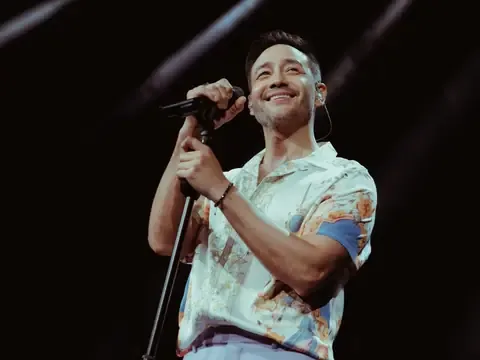
Pop is the most international face of Argentine music, with a long and very successful history abroad. Pimpinela turned couples’ quarrels into theatrical songs; Ricardo Montaner, born in Argentina, became a star all over Latin America. In the nineties and two-thousands, Diego Torres got the whole continent singing «Color esperanza», and Marcela Morelo, Axel and Patricia Sosa added ballads that still play on the radio.
From folk to the stadiums
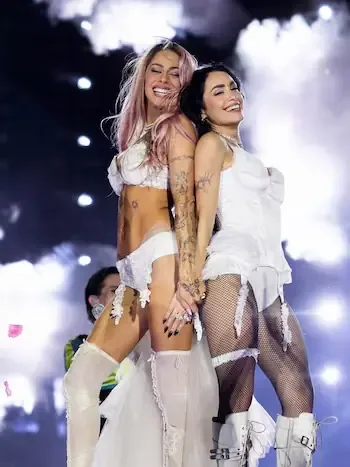
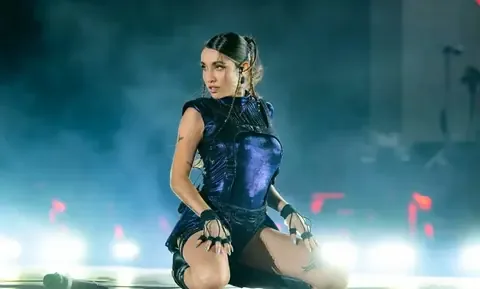
Abel Pintos and Luciano Pereyra come from folk, but today they fill stadiums with romantic songs like «Sin principio ni final» and «Como tú». Meanwhile, Miranda!, Tan Biónica and Airbag represent the pop rock of the last twenty years. And a new generation, with Lali, Tini, María Becerra, Emilia and Nathy Peluso, blends pop with reggaeton, cumbia and R&B and fills stadiums in Argentina and Spain.
Rap and trap: new voices in Argentine music
Freestyle battles in public squares and competitions like El Quinto Escalón and Red Bull Batalla shaped a generation that now puts Argentine music on charts around the world. WOS and Trueno come from that scene and write lyrics with real substance; Duki, «el modelo», is the big name in trap; and Paulo Londra was one of the first to rack up millions of streams worldwide.




Producer Bizarrap took his «BZRP Music Sessions» to the global stage with artists from all over the world. Nicki Nicole, Cazzu, Khea, Tiago PZK, YSY A, Dillom and Milo J round out a huge scene. And RKT, the party sound of the neighborhoods around Buenos Aires, found its best-known faces in L-Gante and La Joaqui. Listen to «Canguro», by WOS, «Dance Crip», by Trueno, and «Goteo», by Duki, and notice how the voice moves over the beat. Some songs contain explicit language.
Cumbia: the Argentine music that fills every bailanta
If there is one Argentine music rhythm that never misses a party, it is cumbia. It arrived from Colombia, and in Argentina it found instruments, scenes and audiences that transformed it. The «movida tropical» of the late eighties and nineties packed the bailantas (dance halls) and launched figures who are still played at parties, weddings and birthdays.

The movida tropical
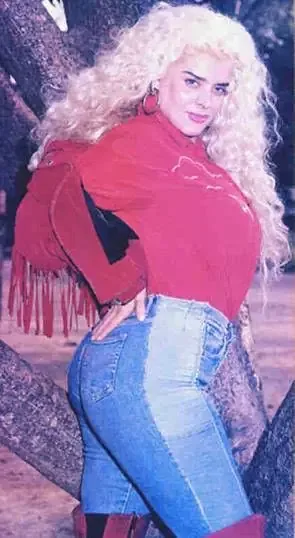
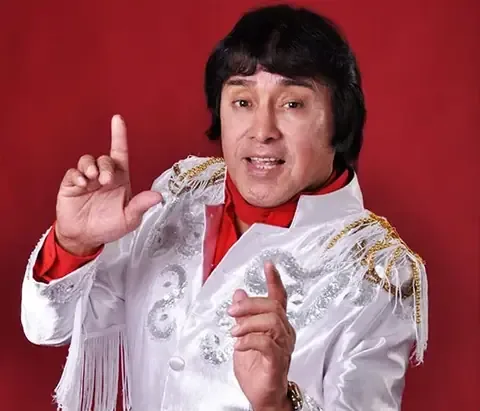
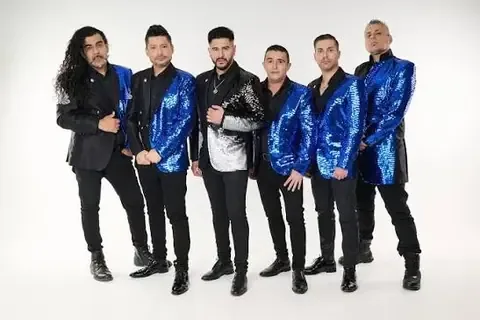
Gladys «La Bomba Tucumana», Lía Crucet, Ricky Maravilla, Alcides and Pocho La Pantera were part of that era of huge exposure. «La pollera amarilla», in Gladys’s version, sums up that festive sound. Gilda, Grupo Sombras and Ráfaga, on the other hand, represent the more romantic side of the nineties. Listen to «No me arrepiento de este amor», by Gilda: for many Argentines it is almost an anthem, and she even has devotees who leave flowers at a roadside shrine.
From Santa Fe to today’s dances
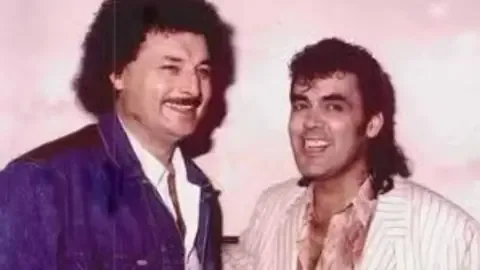
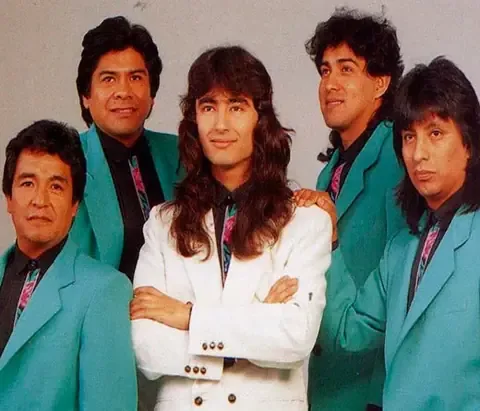
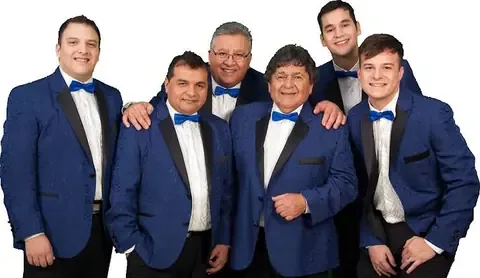
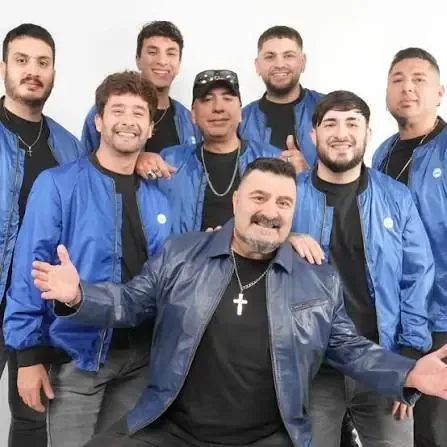
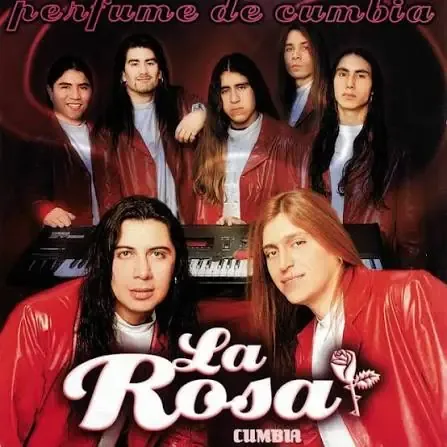
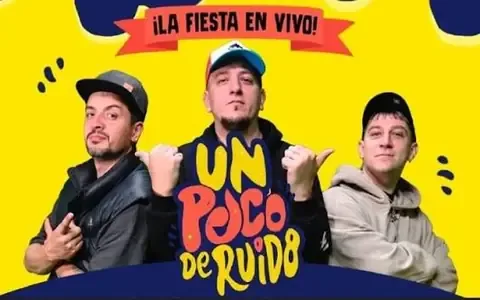
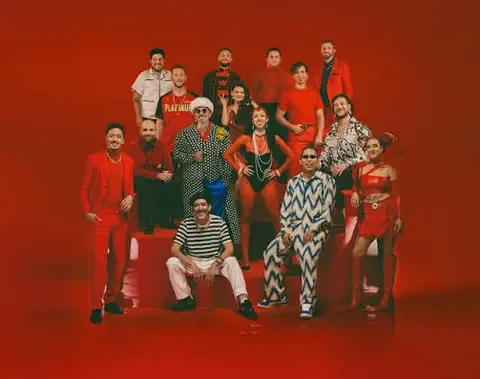
Santa Fe cumbia has its own history, with Los Palmeras as an essential reference. Amar Azul and La Nueva Luna are great names of romantic cumbia from the nineties and two-thousands, with hits like «Yo me enamoré» and «Y llegaste tú». Alongside them, Commanche, Ke Personajes, La Rosa and Un Poco de Ruido still pack dance halls. And if you are looking for something different, La Delio Valdez is a big orchestra that mixes traditional cumbia with live horns and percussion.
Cumbia villera has its own path
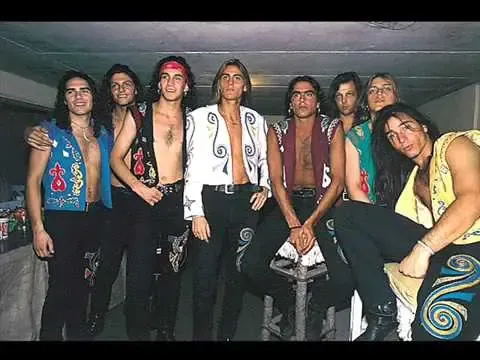
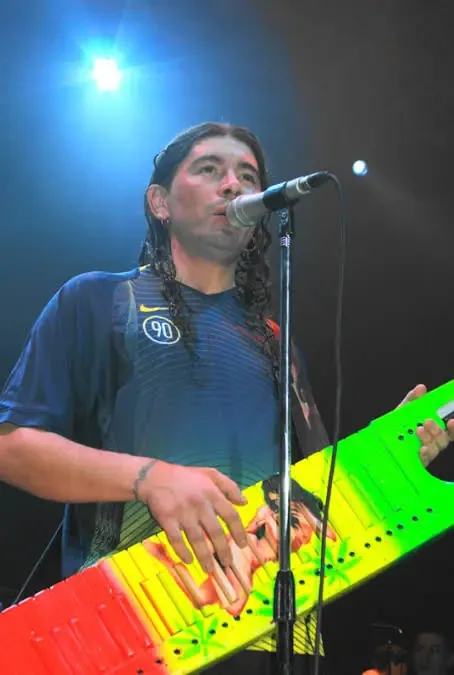
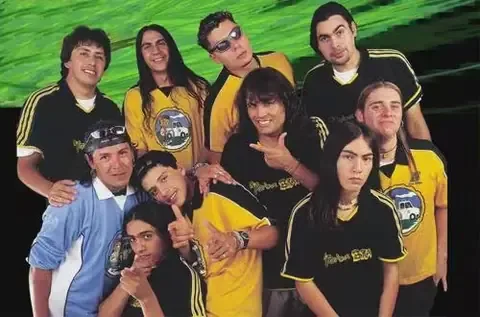
In the late nineties, groups like Flor de Piedra, Damas Gratis, Yerba Brava and Los Pibes Chorros gave visibility to the experiences and language of working-class neighborhoods. Pablo Lescano, of Damas Gratis, is a key figure: his keyboard defined the sound of the genre. Cumbia villera is direct, sometimes provocative, and part of the memory of the 2001 crisis.

Cuarteto: Córdoba and the «tunga tunga» beat
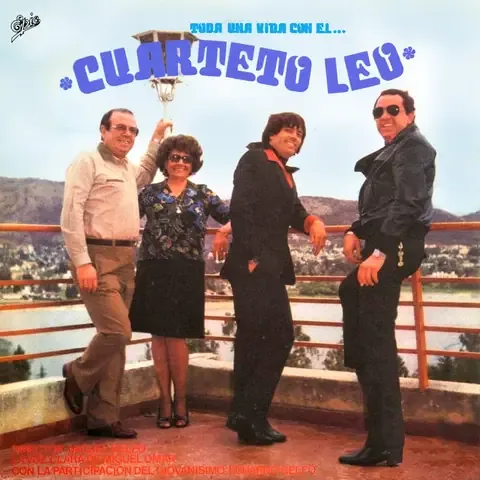
Cuarteto is Córdoba’s great contribution to Argentine music. It was born in the 1940s. Cuarteto Leo and pianist Leonor Marzano created the «tunga tunga», the danceable beat that became the genre’s trademark. The group’s first radio broadcast, on June 4, 1943, became the date for celebrating Cuarteto Day.
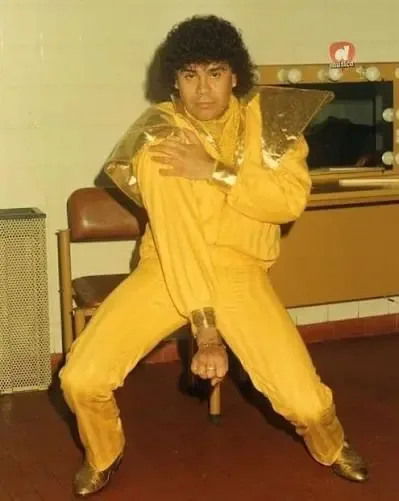
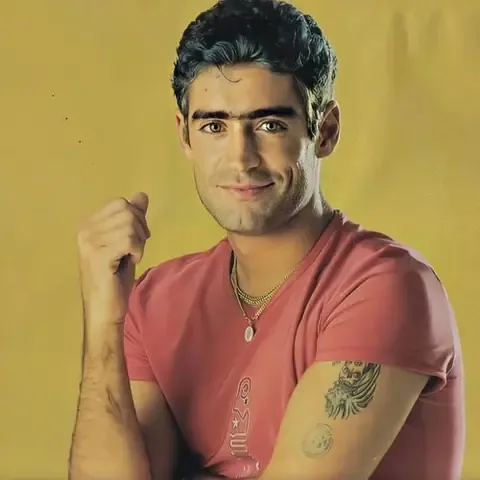
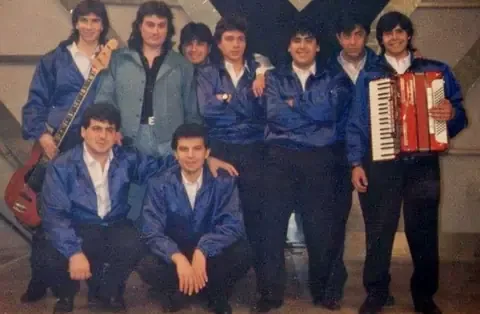
Carlos «La Mona» Jiménez built an incredibly intense bond with Córdoba’s dance halls over more than five decades. Rodrigo, «El Potro», took cuarteto all over the country in the late nineties, with songs like «Lo mejor del amor» and «Soy cordobés»; his early death made him a legend. Trulalá, Gary, Walter Olmos and La Banda de Carlitos added their own classics.

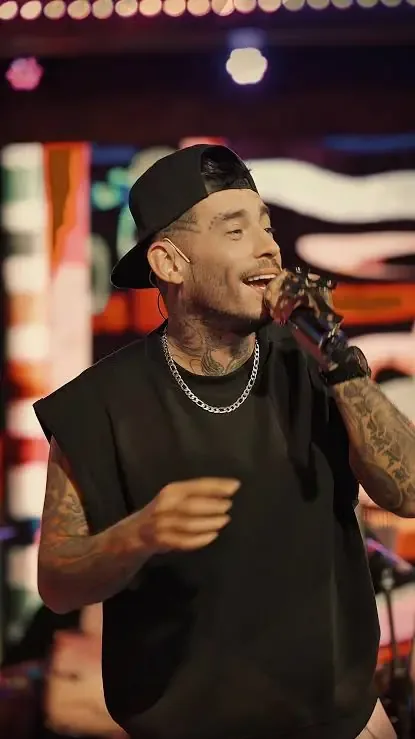
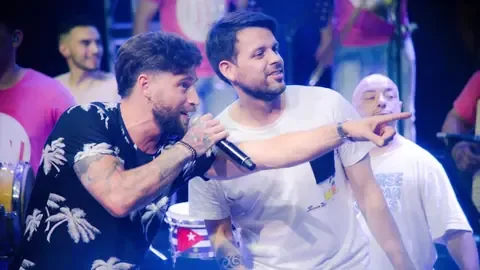
Today cuarteto is going through a great moment with Ulises Bueno, La K’onga, Q’ Lokura, Eugenia Quevedo, Desakta2 and Luck Ra, who mixes it with pop and urban music. To really understand it, go to a live dance: the floor and the crowd are part of the music.
La Nueva Ola and El Club del Clan: the sixties in Spanish
In the early sixties, Argentine television had its own youth phenomenon: El Club del Clan. The show brought together young singers who adapted rock and roll, the twist and ballads into Spanish, in what became known as the «Nueva Ola» (New Wave). It was the country’s first big youth music movement and a school for several figures of Argentine music.
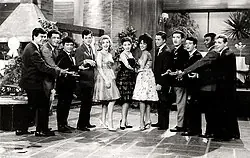
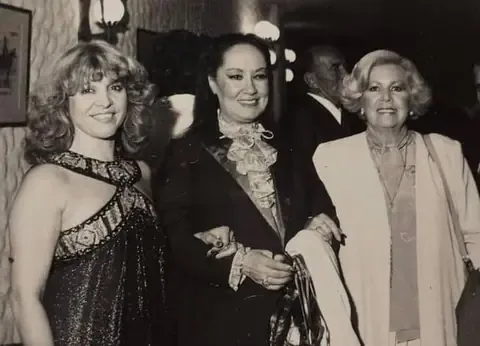
Palito Ortega was the group’s big star, with upbeat songs like «La felicidad». Violeta Rivas, Johnny Tedesco, Chico Novarro, Raúl Lavié, Jolly Land and Lalo Fransen also shone, among others. At the same time, Estela Raval y Los Cinco Latinos became famous in the Americas and Europe with their version of «Sólo tú» and their elegant style, and Leo Dan and Luis Aguilé added their own hits.
Sandro and the romantic singers: the ballads the whole country sings
For many, Sandro is the Elvis Presley of Argentine music. With his deep voice, his hip moves and songs like «Rosa… Rosa» and «Dame fuego», he was the first Latin American artist to sing at New York’s Madison Square Garden, in 1970. His fans, who call themselves «nenas», still remember him with devotion.
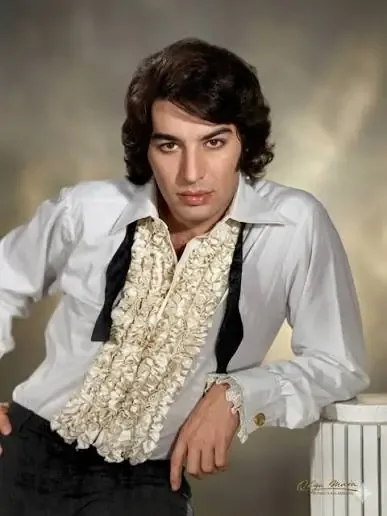
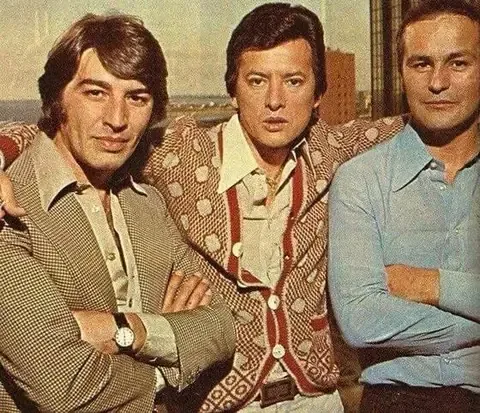
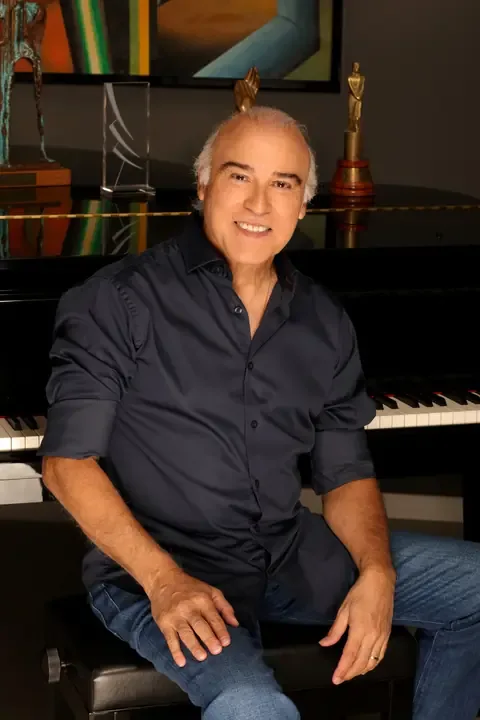
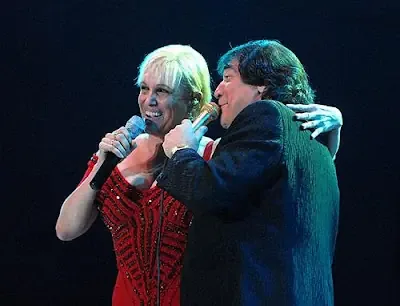
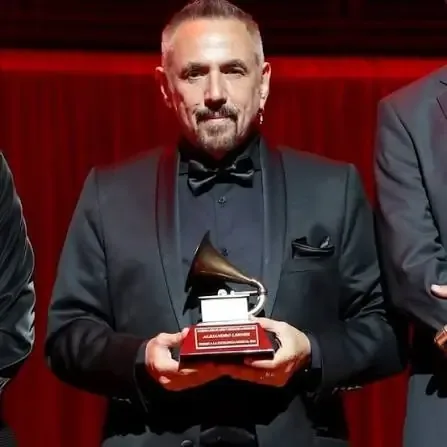
Leonardo Favio, also a filmmaker, left unforgettable ballads like «Ella ya me olvidó». Paz Martínez, María Martha Serra Lima and Estela Raval took the Argentine romantic song all over Latin America. Cacho Castaña sang to Buenos Aires with humor and tenderness, Valeria Lynch became one of the great female voices and Alejandro Lerner wrote anthems like «Todo a pulmón».
Mendoza has its own soundtrack too
Mendoza has its own chapter within Argentine music. Cuyo’s tonada and cueca are the gateway to its cultural landscape. The tonada is sung as a duo or trio, with guitars and a melancholic tone; the cueca, by contrast, is cheerful and danced with handkerchiefs. Look up Hilario Cuadros y Los Trovadores de Cuyo, Félix Dardo Palorma, who wrote «Cueca de la viña nueva», and Pocho Sosa. Guitarist Tito Francia is another key figure of Mendoza’s music.
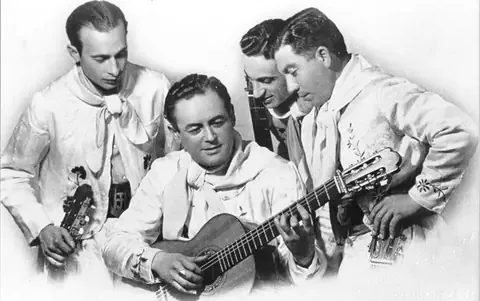
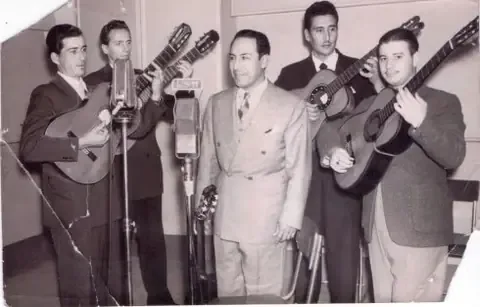
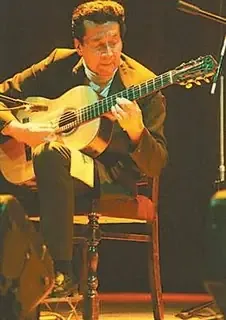
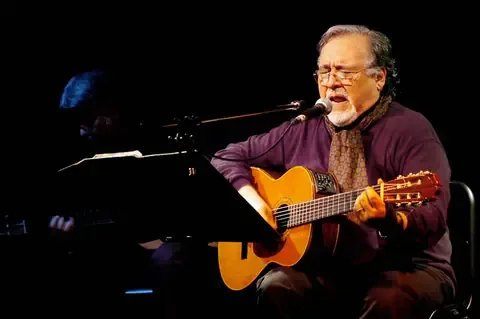
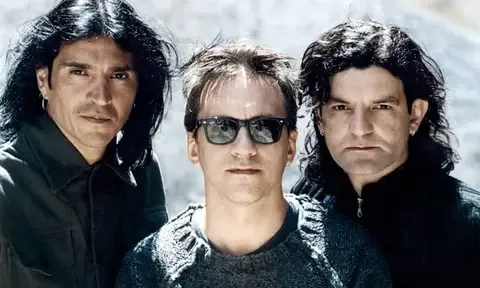
Mendoza was also a stage for the Nuevo Cancionero, with poets like Armando Tejada Gómez. And in rock, Los Enanitos Verdes took the province’s name all over Latin America with «Lamento boliviano», while Karamelo Santo mixed rock, ska and Latin rhythms.
In February and March, the Fiesta Nacional de la Vendimia (National Grape Harvest Festival) combines music, dance and wine in a huge show at the Frank Romero Day Greek theater. If you travel at that time, it is a great chance to hear Cuyo music live.
How to keep discovering Argentine music
Pick an artist who caught your attention and listen to a whole album. Then look for a live version, ask someone about their favorite song or drop by a peña, a milonga or a concert. The soundtrack of Argentina keeps growing with every one of those listens.
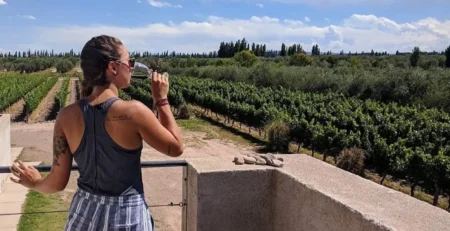
And if you are in Mendoza, put on one of our playlists while you ride among the vineyards of the Maipú Wine Route. Few things go better together than a zamba, a Malbec and the Andes in the background.
Frequently asked questions about Argentine music
What is the typical music of Argentina?
Tango is the best-known Argentine genre in the world, but it is not the only one. Folk music, with zambas and chacareras, is heard all over the country, and cumbia and cuarteto are the rhythms people dance to most at parties.
Who is the most famous Argentine musician?
It depends on the genre. Carlos Gardel and Astor Piazzolla are the best-known figures in tango, Mercedes Sosa in folk, and Charly García, Luis Alberto Spinetta and Soda Stereo in rock. Sandro was the great romantic idol, and today Duki, Bizarrap and María Becerra have millions of listeners worldwide.
What is «rock nacional»?
It is the name given in Argentina to rock sung in Spanish since the late sixties. It includes very different artists, from Los Gatos and Sui Generis to Soda Stereo, Los Redondos and La Renga.
What music do people listen to in Mendoza?
In Mendoza, Cuyo’s tonada and cueca live side by side with folk, rock, cumbia and cuarteto. During the Fiesta Nacional de la Vendimia there are lots of live music shows.
Where can I listen to the playlists in this guide?
Each section has buttons to open that genre’s playlist on Spotify, YouTube and YouTube Music. The playlists are public and free: all you need is the app or a browser.
Press play and explore the Maipú Wine Route at your own pace
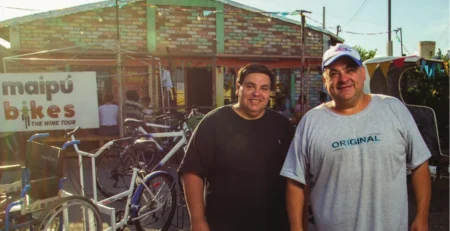
There are two ways to combine wineries, vineyards and good music with Maipu Bikes. Both are self-guided: you ride on your own, with our map and our recommendations.
Self-Guided Wine Bike Tour
Self-guided rental
Bike, helmet, map and mechanical assistance. You choose your stops within the Maipu Bikes circuit and, if any of them requires a booking, we send you the link. Tastings and meals are paid separately. When you get back, the Free Malbec Wine Happy Hour is waiting for you.
Maipu Wine Bike Experience
Itinerary with coordinated bookings
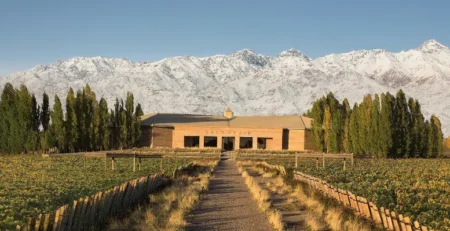
You follow a timed itinerary and we coordinate the bookings: Trapiche, Entre Olivos, Viña El Cerno and a tasting-menu lunch at Mevi. Bike, helmet and assistance included. At the end, the Free Malbec Wine Happy Hour.

Deja una respuesta